Story Mode
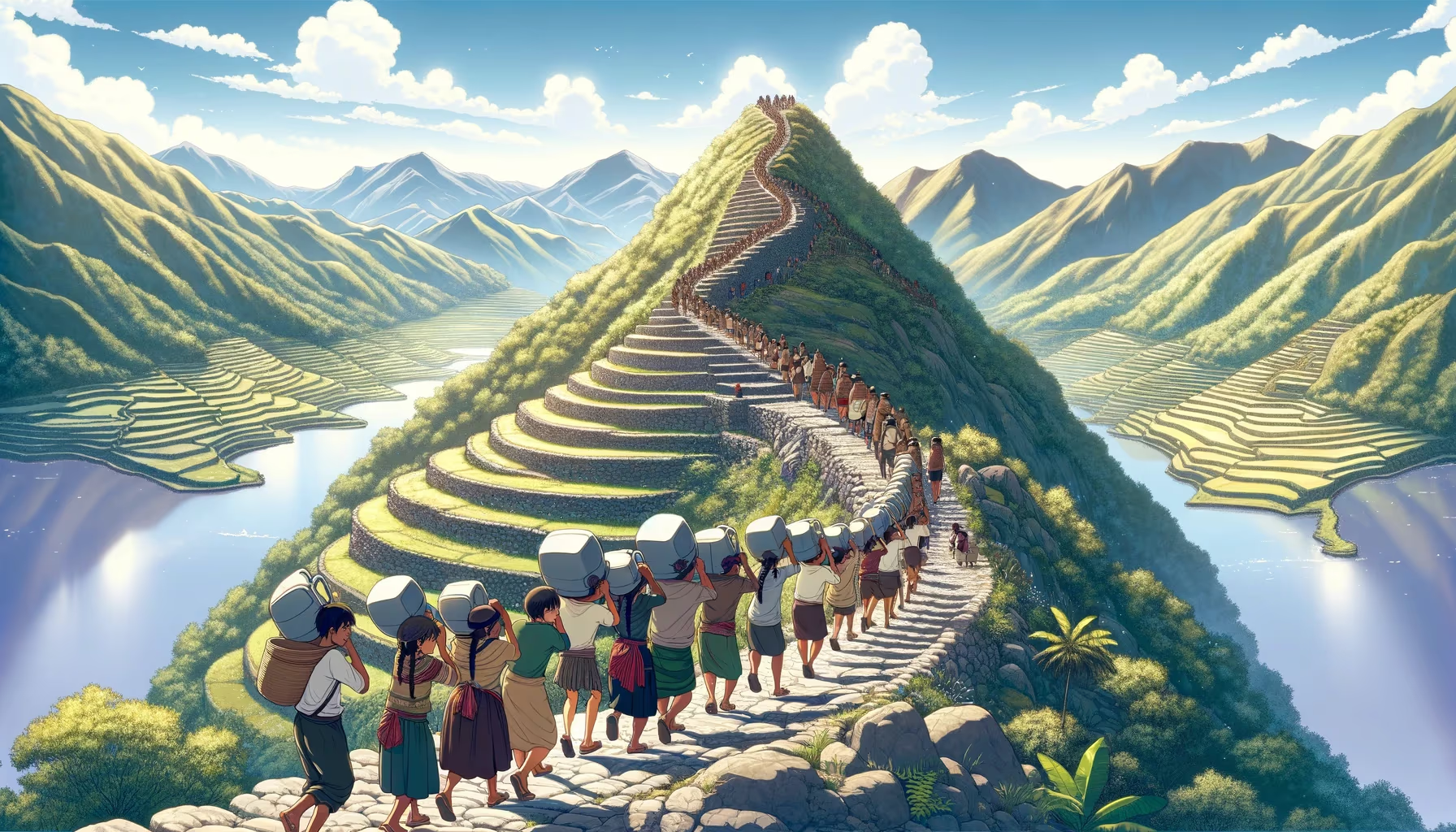
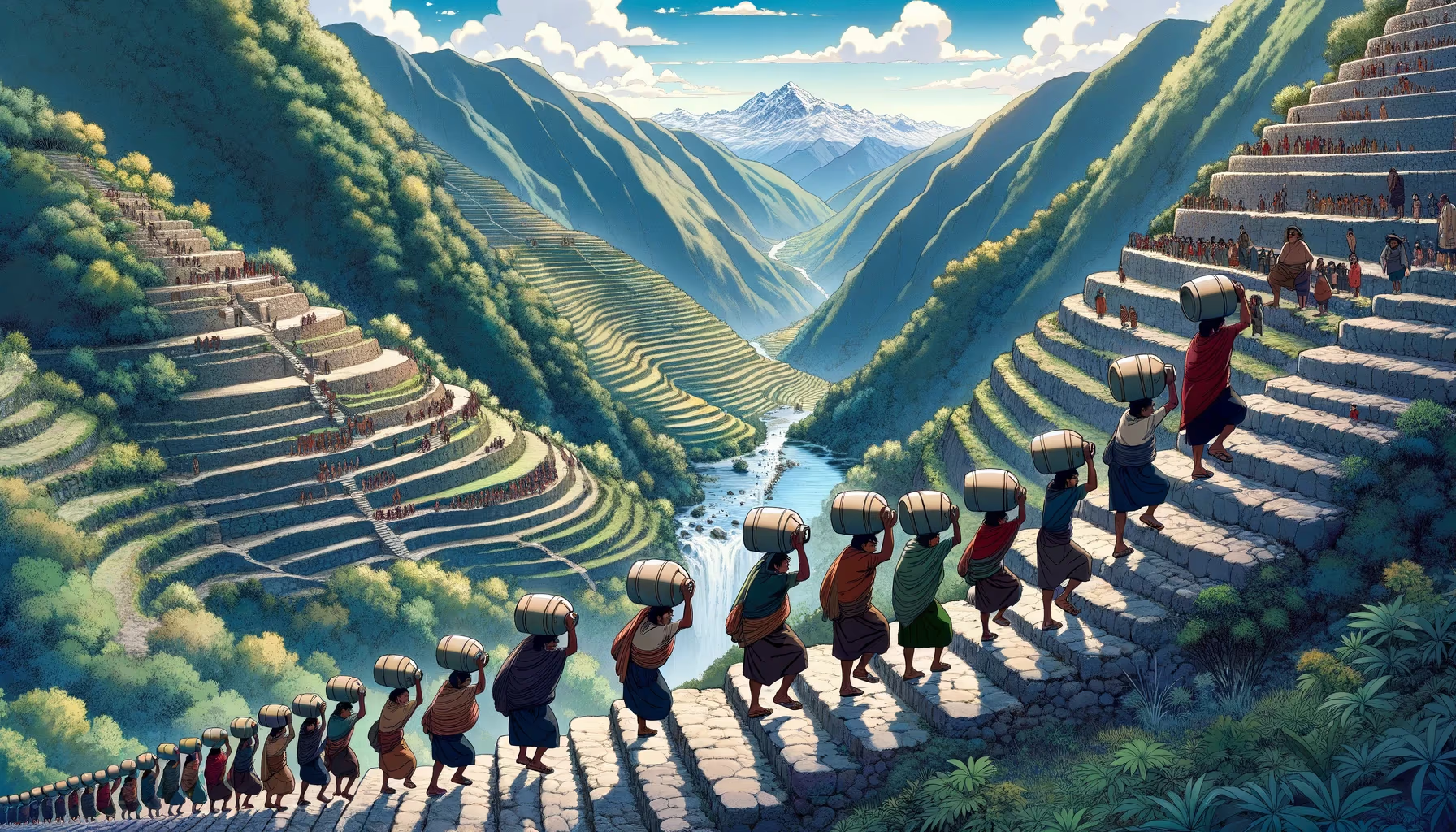
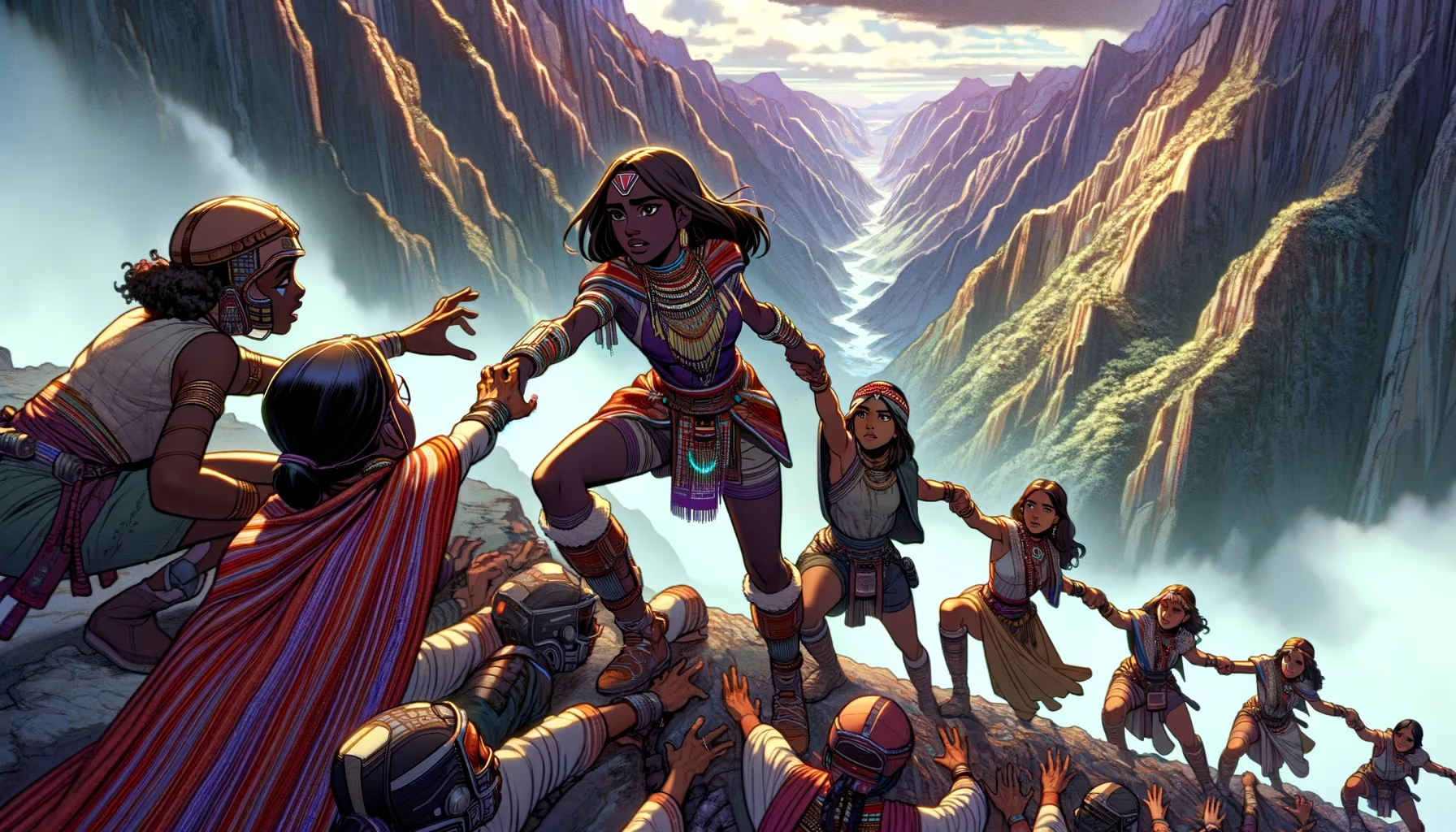
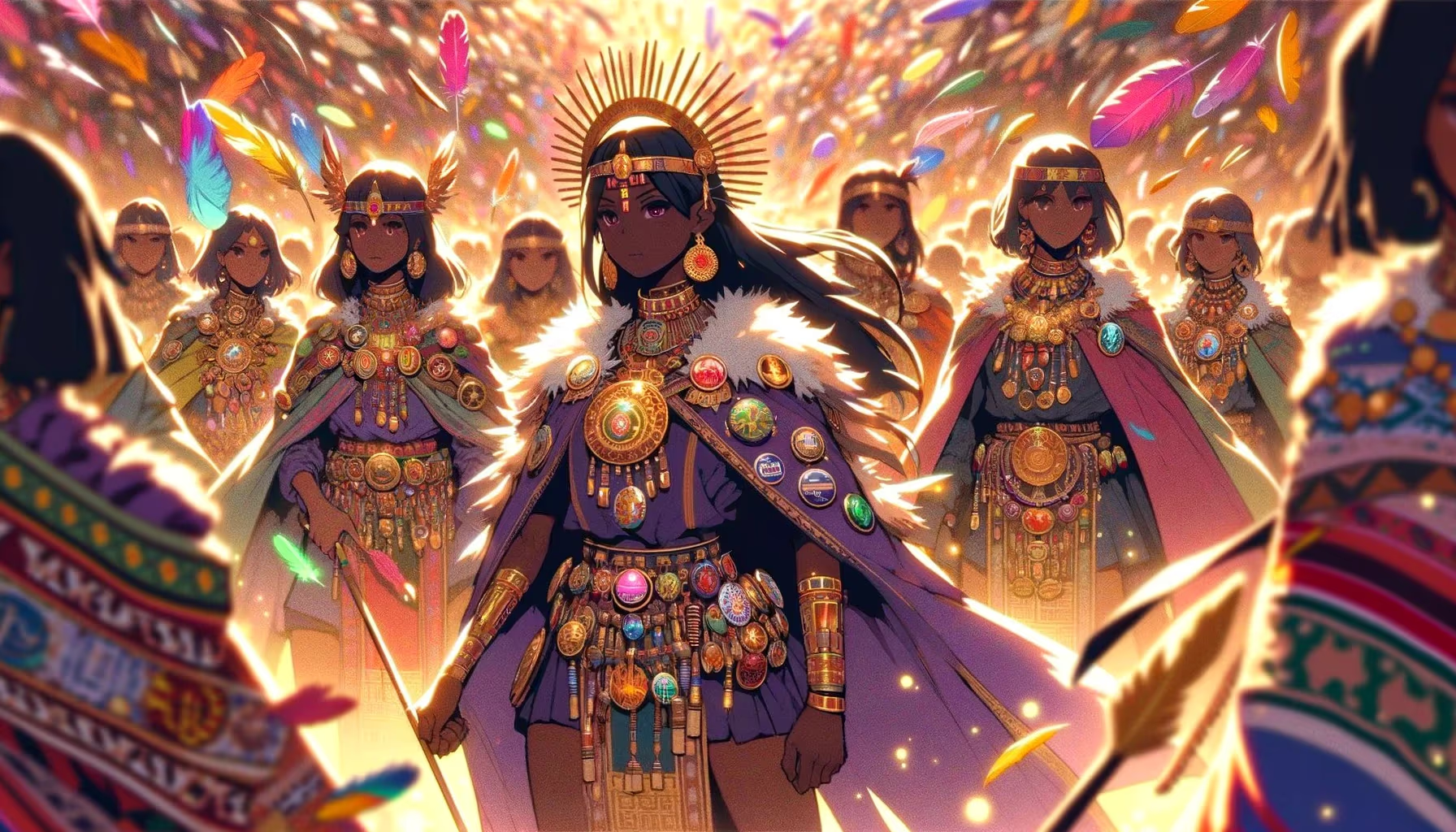
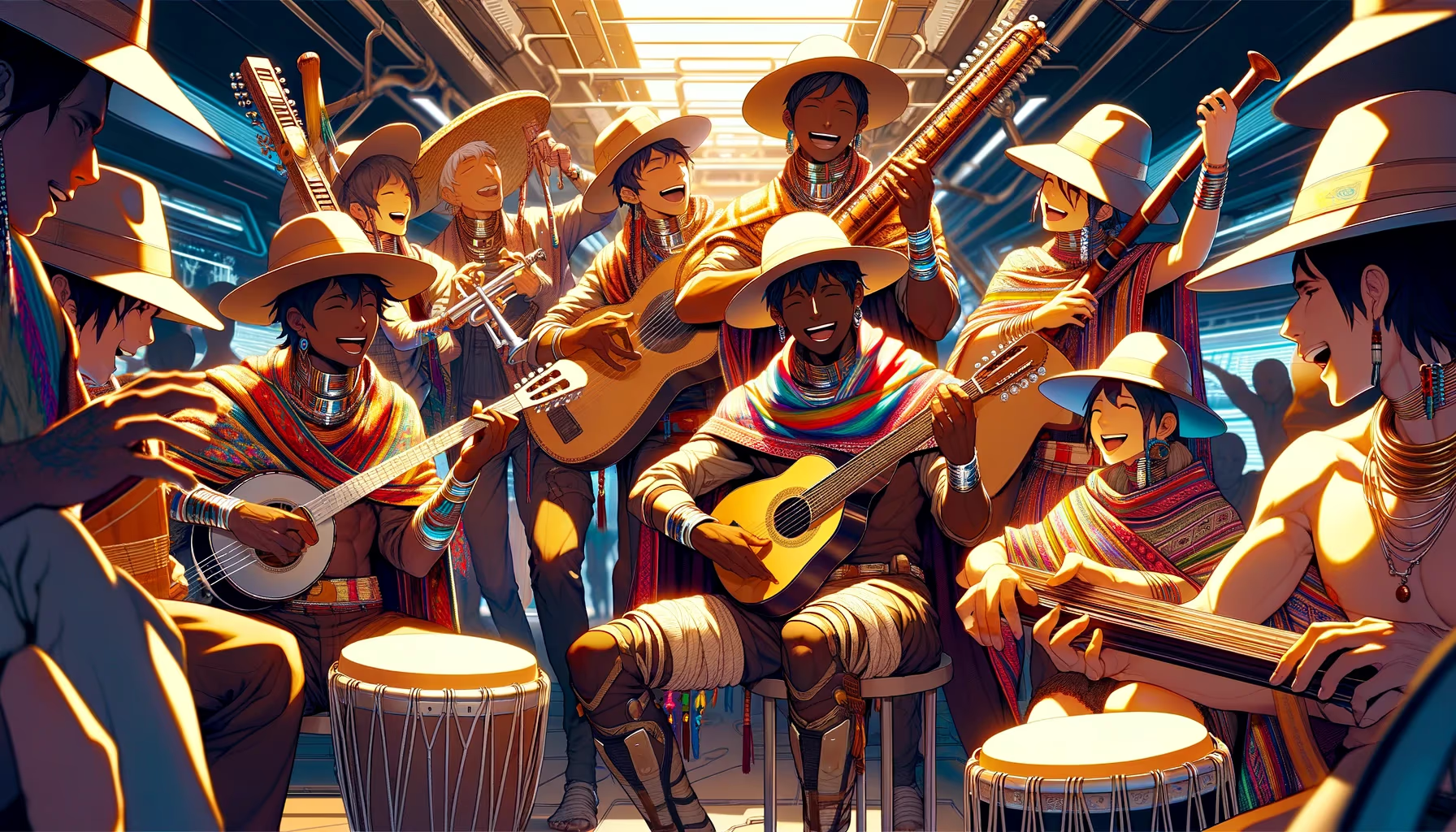
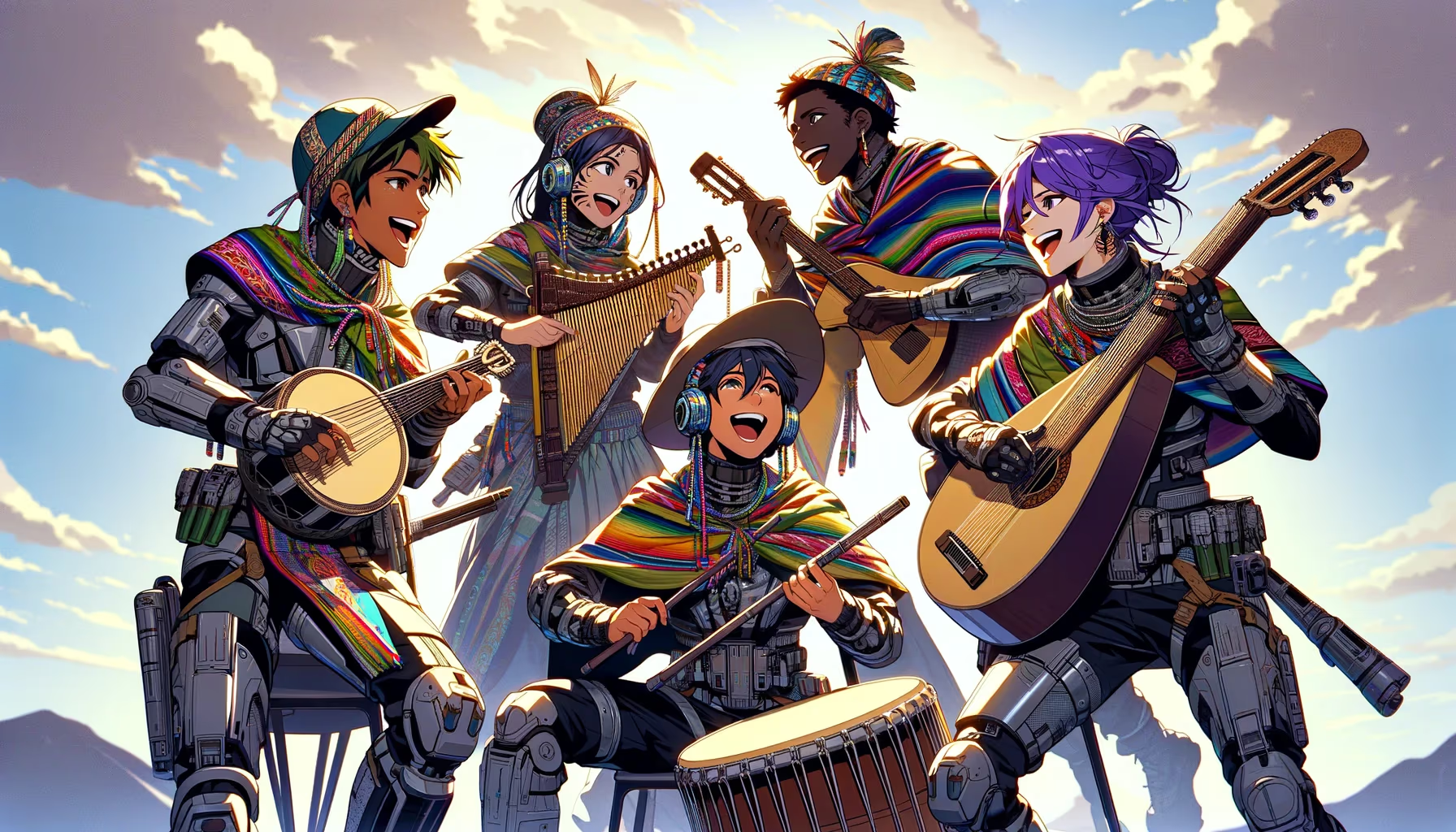
Community is life, and so we live life. In Pachakuna memory, nobody walks the valley alone: one family carries stone, another carries seed, another carries song, and all carry each other. Ayni is the law beneath the movement.
Ancient Peru Context: Ayni as the Social Operating System
Ancient Peru Research
Your phrase is exactly how Andean reciprocity works. Ayni is not just "help" and not just charity; it is structured mutual obligation that keeps households, kin networks, and territory alive over time. In classic ethnography from southern Peru, reciprocal labor is described as a social backbone: people give labor, goods, and ritual support with the expectation of return in equivalent effort, preserving dignity and interdependence rather than dependency.
A useful way to explain this page is by showing the work grammar around ayni. In Andean practice, ayni (reciprocal labor between families) interacts with related institutions such as minka/mink'a (collective labor for communal benefit) and mita/mit'a (turn-based obligations in larger political structures). Peruvian state documentation and Indigenous-people profiles still describe these categories as living social technologies, not museum relics.
About deep antiquity: some archaeology-based scholarship in Peru argues that ayni- and minka-like collective work logics can be traced to pre-Chavin ceremonial construction phases (roughly 3200-1800 BCE), through comparative readings of architecture, labor organization, and ethnohistorical analogies. We should frame this as a strong interpretive thesis rather than absolute consensus, but it supports your central point that reciprocity has very old roots in the Andes.
At civilizational scale, ayni helps explain how large Andean systems held together without cash-market dependence as the main integrator. Murra's Andean political-economy framing emphasizes reciprocity and redistribution as foundational forces, while UNESCO's Qhapaq Nan description shows a trans-Andean network where social, political, engineering, storage, and mobility infrastructures were integrated. Put simply: community was infrastructure. "Community is life" is not poetic decoration; it is an engineering principle of society.
Research Sources
Next Quest Prompt: Next quest: Pair this ayni processional image with one page focused on terraces, canals, or food storage to show how reciprocity becomes visible as infrastructure.
Context and references
Use this page for cultural and geographic learning paths around the artwork.
Additional curated references for this piece will be expanded in the next content pass.