Ayni: Reciprocity as Infrastructure

Ayni is not charity and not symbolism alone. It is the operational social architecture that links labor, food, water, ritual obligation, and long-term trust in Andean life.

Keyword Cloud

Ayni reciprocityAyllu governanceMinka communal laborAndenes maintenanceWater stewardshipShared responsibility

Core Concepts

Reciprocity Contract

Ayni creates enforceable social memory: what is given today circulates back through future labor, care, or teaching.

Ayllu Unit

Reciprocity is housed in real community structures: households, kinship groups, and place-based duties.

Public Build Labor

Minka and related practices convert reciprocity into roads, irrigation, terraces, schools, and civic ritual spaces.

Ethics Stack

Ama Sua, Ama Llulla, Ama Quella are the behavioral guardrails that keep reciprocity from collapsing into extraction.

Glossary Spotlight

Ayni

Core Principles

Ayni is reciprocal care: communities help one another today with the expectation that support is returned when needed.

Why It Matters Here: Ayni converts generosity into a reliable social engine across generations.

Ayllu

Core Principles

Ayllu is the kin-based community unit that links people, land, labor, ritual duties, and collective memory.

Why It Matters Here: Ayllu is the living unit where labor, memory, and care are coordinated.

Minka (Ming'a)

Core Principles

Minka is communal labor for shared benefit, such as paths, water channels, schools, and festival spaces.

Why It Matters Here: Minka translates reciprocity into public works and shared outcomes.

Mit'a

Core Principles

Mit'a was rotational labor service to state or regional projects, organized by time blocks and community obligations.

Why It Matters Here: Mita helps explain rotating duty, scheduled effort, and coordinated service.

Ama Sua

Core Principles

Ama Sua means do not steal; it is one of the ethical foundations often cited in Andean civic teaching.

Why It Matters Here: Reciprocity collapses without trust safeguards like Ama Sua.

Ama Llulla

Core Principles

Ama Llulla means do not lie, emphasizing truth as social infrastructure.

Why It Matters Here: Truthfulness is an infrastructure requirement, not only a moral preference.

Ama Quella

Core Principles

Ama Quella means do not be idle; it frames contribution as a duty to community continuity.

Why It Matters Here: Collective resilience depends on active contribution, not passive membership.

Allin Kawsay

Core Principles

Allin Kawsay means living well through relational balance with community, landscape, and responsibility.

Why It Matters Here: Allin kawsay reframes success as balanced life quality, not extraction.

Curated Concept-Art Trail

Atlas Mission Routes

Reciprocity Governance in Cusco

Track how labor duty, storage, and ceremonial order supported long-term social trust.

AyniAylluPublic Works

Terrace Reciprocity Cycles

Observe how terrace upkeep depended on rotating contribution and collective timing.

AndenesWaterMinka

Water Duty and Shared Memory

Read springs and watershed systems as social agreements maintained over generations.

WatershedStewardshipAyni

Urban Cooperation Patterns

Compare how large settlements encoded work-sharing and civic continuity in built form.

UrbanismLaborReciprocity

Ayni Across Elevation

Use altitude bands to see why mutual aid became infrastructure, not optional virtue.

AltitudeResilienceCommunity

Action Missions

Run a Three-Team Ayni Build

Design one shared artifact where each group contributes a required layer for the next group.

Mission Steps

  1. Group 1 drafts base structure and naming.
  2. Group 2 improves stability and adds local story details.
  3. Group 3 documents what changed and credits all contributions.

Launch an Ayllu Teach-Back

Every person who downloads must teach one technique to at least one new participant.

Mission Steps

  1. Pick one file from coloring, puzzle, or lego packs.
  2. Teach the assembly process in under ten minutes.
  3. Record one improvement for the next cohort.

Reciprocity Studio Invite

Convert one local room into a co-learning studio where roles rotate every session.

Mission Steps

  1. Assign host, builder, documenter, and mentor roles.
  2. Rotate roles every 30 minutes.
  3. End with one collective reflection and one next mission.

Document Your Ayni Chain

Publish who helped whom, what was built, and what is now ready for the next team.

Mission Steps

  1. Capture one photo of each stage.
  2. List all contributors by role.
  3. Share one practical tip for future builders.

Research Question Lab

Which local tasks are currently done alone that could be redesigned as shared ayni cycles?

How can we measure reciprocity quality, not only participation quantity?

What social memory tools preserve who helped, when, and how?

Where does modern extraction logic conflict with ayni ethics in our program design?

How can student teams rotate roles so everyone practices teaching and stewardship?

What does a one-year ayni roadmap look like for a school, museum, or neighborhood?

Deployment Playbooks

Classroom Ayni Protocol

Run weekly build cycles where contribution, reflection, and teach-back are required.

Action Stack

  • Rotate roles every session.
  • Log contributions publicly.
  • Require one peer teaching moment.

Museum Reciprocity Lab

Pair exhibits with hands-on missions where visitors leave improved artifacts for the next group.

Action Stack

  • Design a build-and-handoff station.

  • Track inter-group knowledge transfer.
  • Publish monthly reciprocity outcomes.

Scholarly Reading Layer

Foundational Readings

Reciprocity and Redistribution in Andean Civilizations (Murra, HAU Books)

Classic baseline for understanding labor reciprocity and redistribution in Andean systems.

Smithsonian NK360: Reciprocity—Andean Style

Curated teaching resources connecting ancient ayni principles with living communities.

UNESCO World Heritage: Qhapaq Nan (1459)

Infrastructure context for how reciprocal labor maintained transregional mobility.

Deep-Dive Readings

FAO: Indigenous Peoples and Food Systems

Comparative food-system perspective useful for relating ayni to stewardship and resilience.

FAO GIAHS: Andean Agriculture (Peru)

Documents living agricultural technologies maintained through collective labor traditions.

Advanced Technical Readings

JAA: Rethinking imperial infrastructure (DOI:10.1016/j.jaa.2016.06.001)

Road systems read from below: local appropriations and everyday logistics beyond imperial narratives.

Antiquity: Beyond Inca roads—Redes Andinas (DOI:10.15184/aqy.2024.84)

Current archaeological framework for long-duration, multi-period Andean mobility networks.

Deep Research Modules

1) Ayni as Operating System

In many English summaries, ayni appears as simple reciprocity. In Andean governance practice, it is more precise to read it as a distributed operating system: obligations are remembered, fulfilled, and renewed through real social protocols.

That system integrates moral language with material logistics. Food planting, canal cleanup, house construction, road upkeep, and ritual timing can all be organized through reciprocal labor expectations.

For Pachakuna, this matters because your platform is not just content delivery. It can encode ayni into user flow: download -> build -> teach -> share -> mentor.

2) Infrastructure of Trust

Ayni works because memory is collective. When communities track who contributed and when, cooperation becomes predictable rather than accidental.

This is one reason Andean settlement systems could maintain terraces and waterworks over long horizons: responsibility rotated, but obligation persisted.

In educational terms: reciprocity is not soft culture. It is maintenance engineering plus governance plus ethics.

3) Design Translation for Pachakuna

Ayni can shape product decisions directly: challenges should reward peer-support behavior, not just individual output.

Studio kits, builder tiles, and school deployments can all include reciprocal prompts: who did you help, what did you teach, what did you improve for the next team?

This turns mythic storytelling into measurable social impact without losing cultural depth.

Build + Learn Routes

Ayni Hub Home

Return to this doctrine anchor before every build cycle.

Glossary: Ayni

Standardized definition, aliases, and related terms.

Queendom Builder

Turn reciprocity into physical co-creation with Sacred Valley tiles.

Pop-Up Studio DIY

Deploy community studios where reciprocal teaching can scale.

Atlas: Kay Pacha Landscapes

See reciprocity embedded in lived landscapes and daily systems.

Atlas: Andes

Map reciprocity against altitude, risk, and water dependence.

Submit a Community Build

Convert concept into action and document reciprocal outcomes.

Concept Art Mission Trail

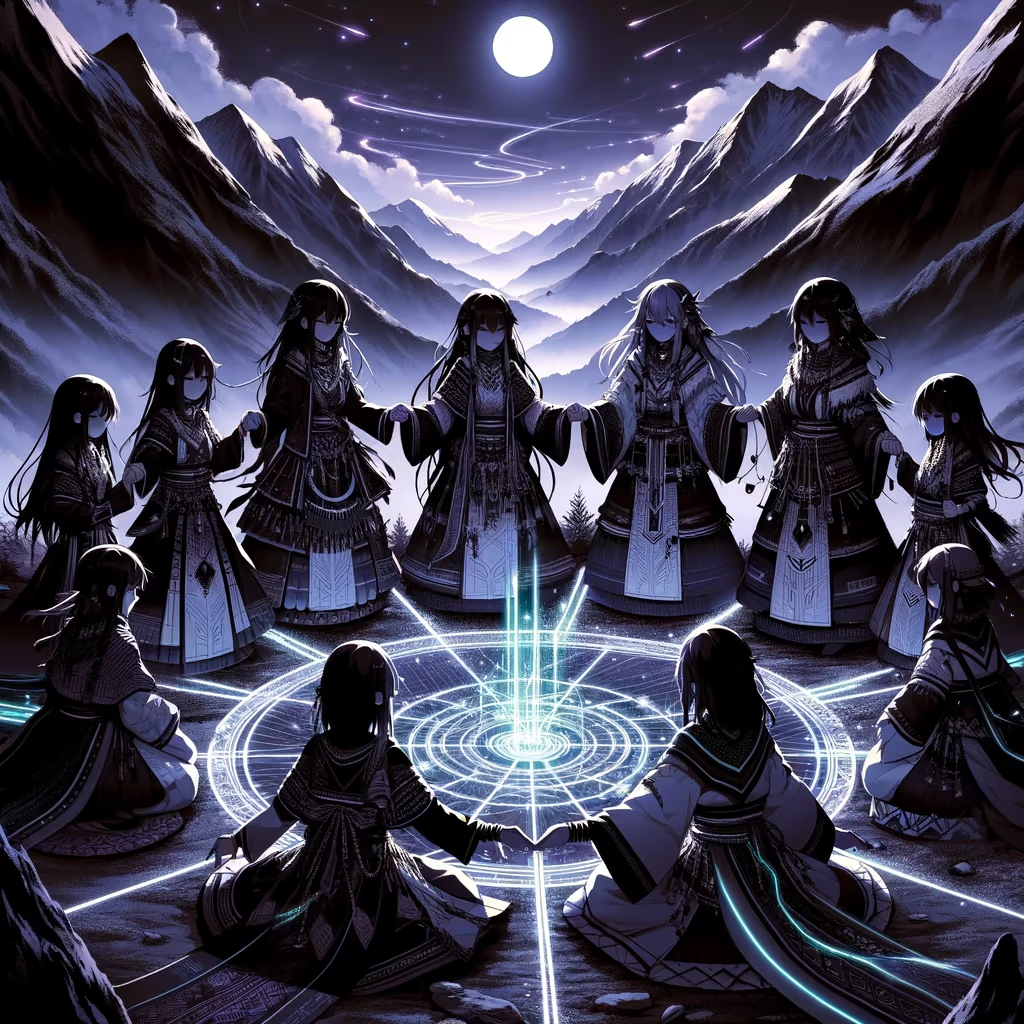
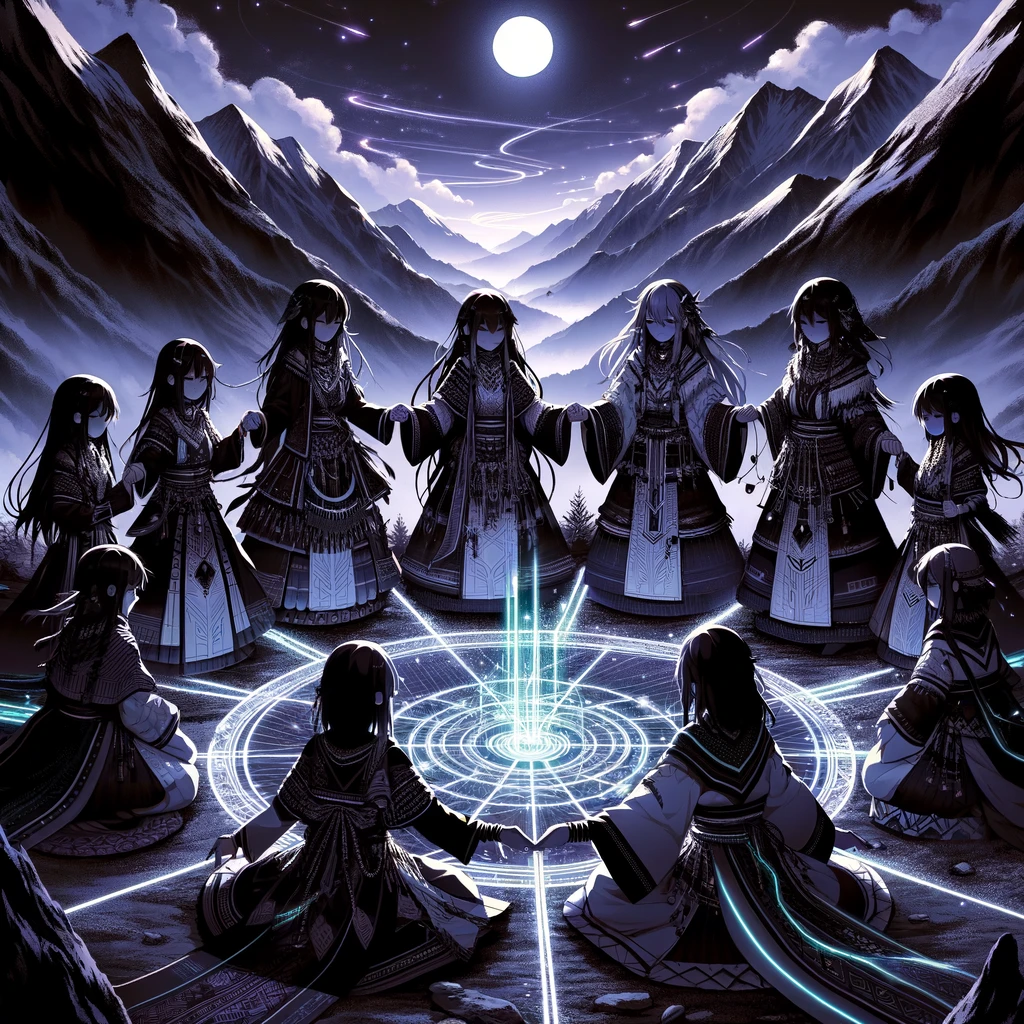
Explore every scene where cooperation, handholding, and shared labor appear.

Related Scenes