Story Mode
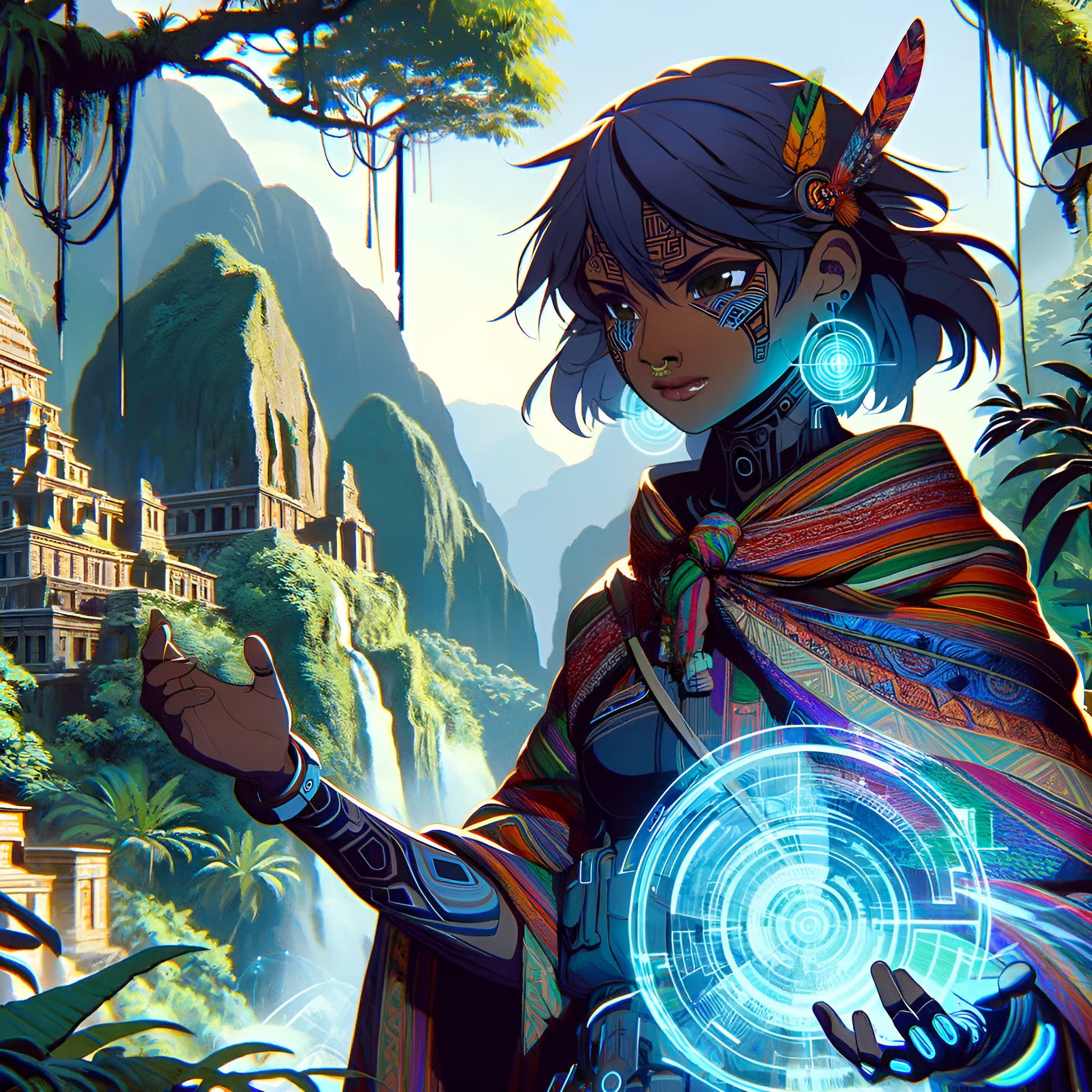
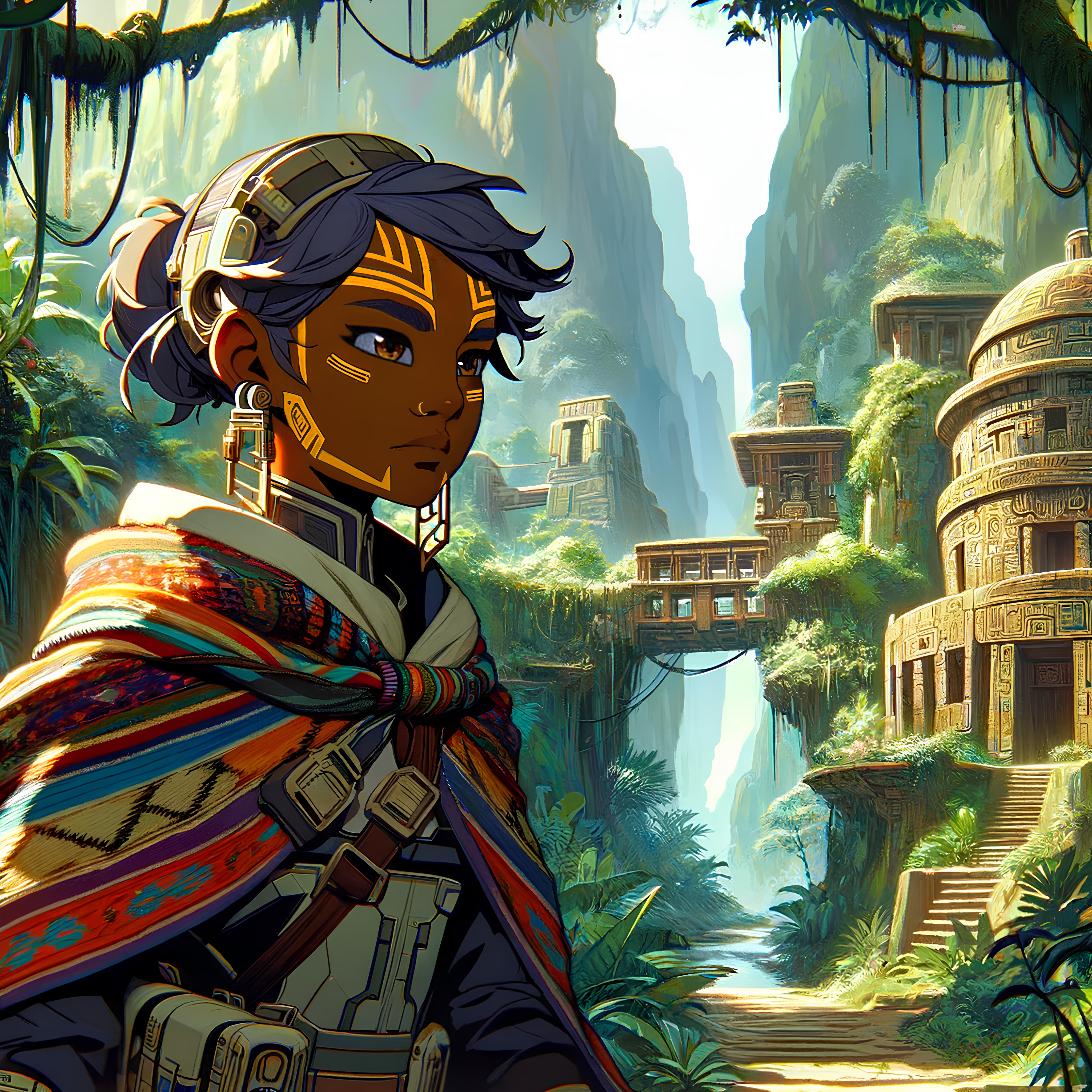
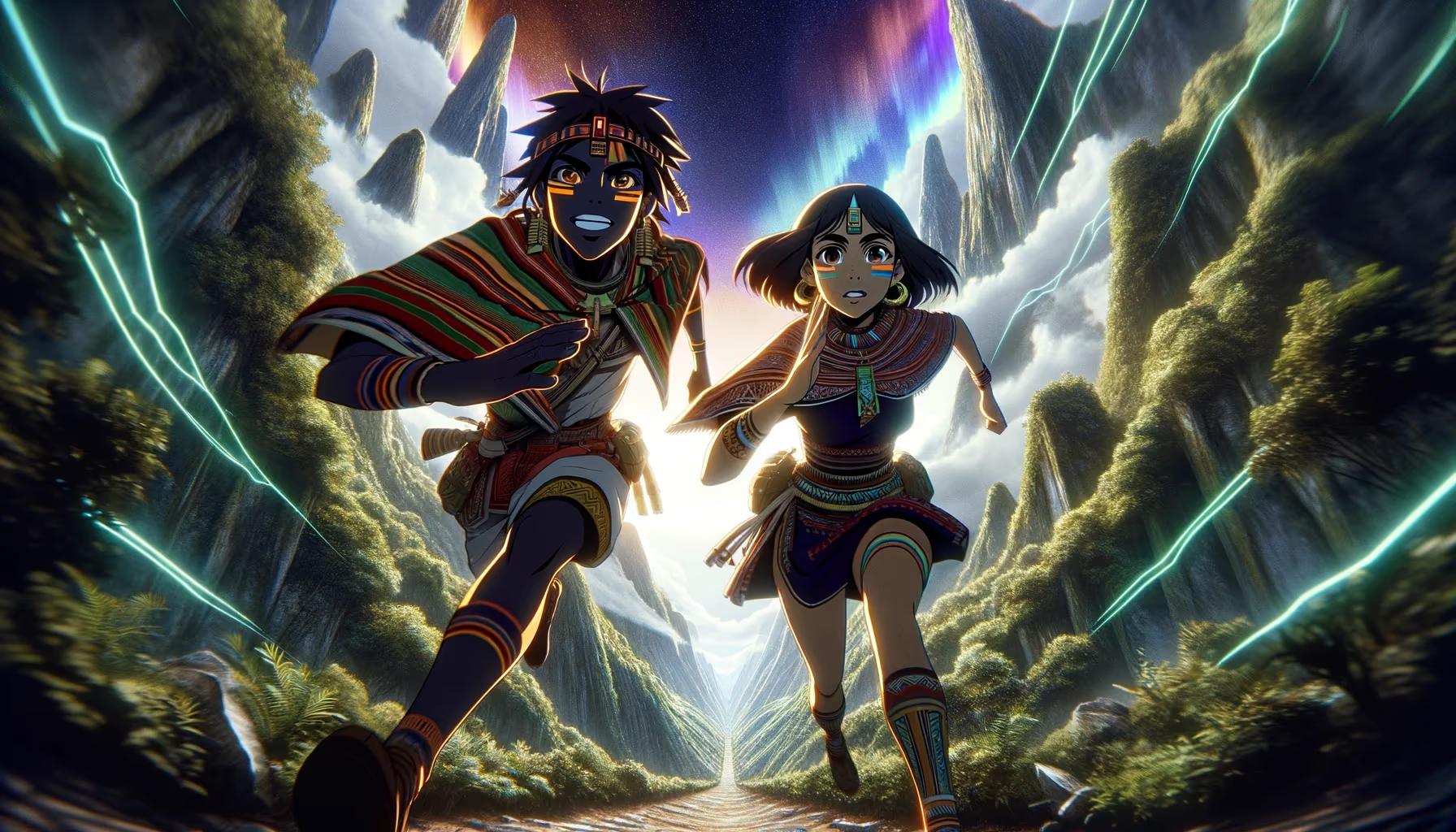
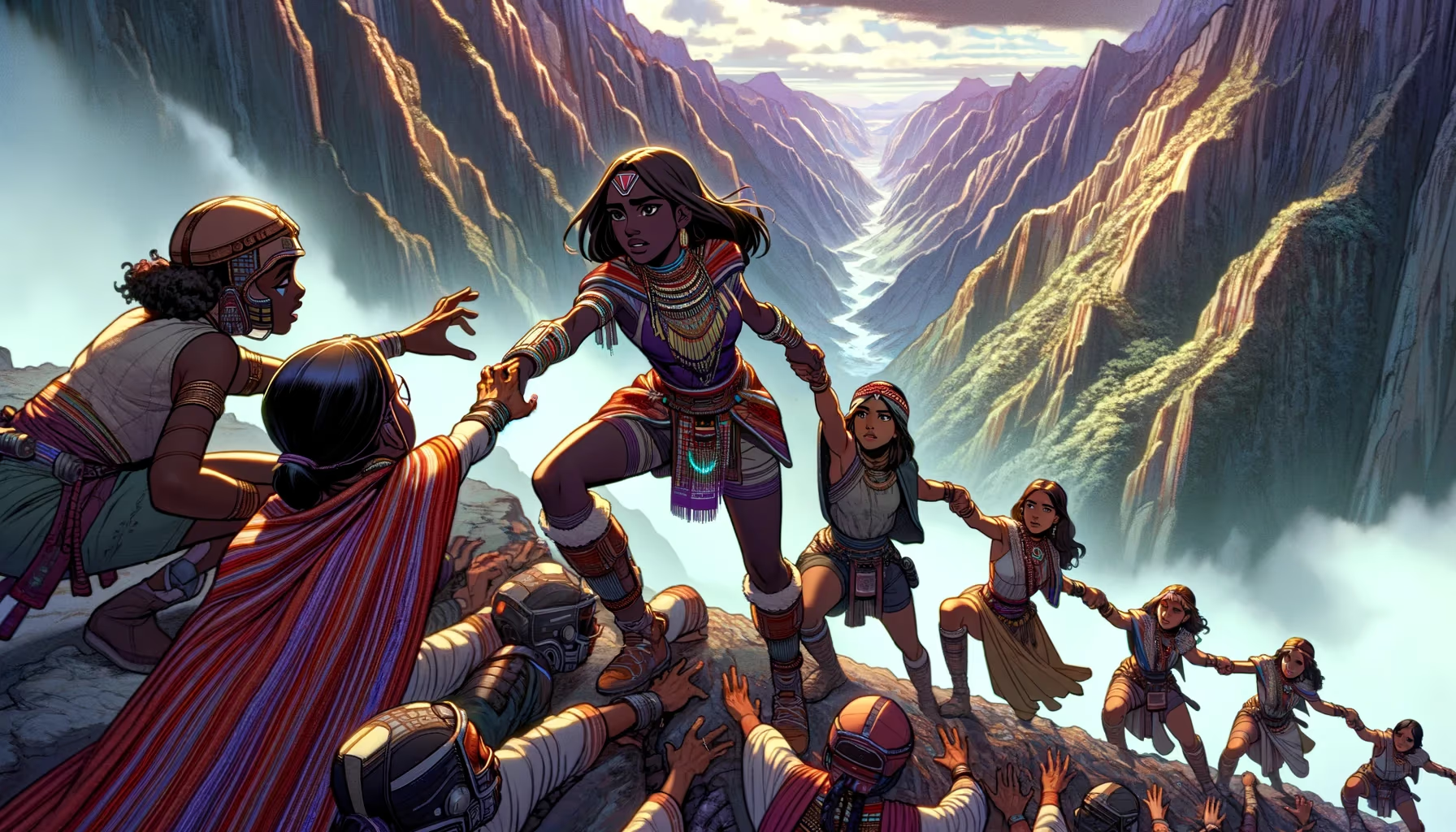
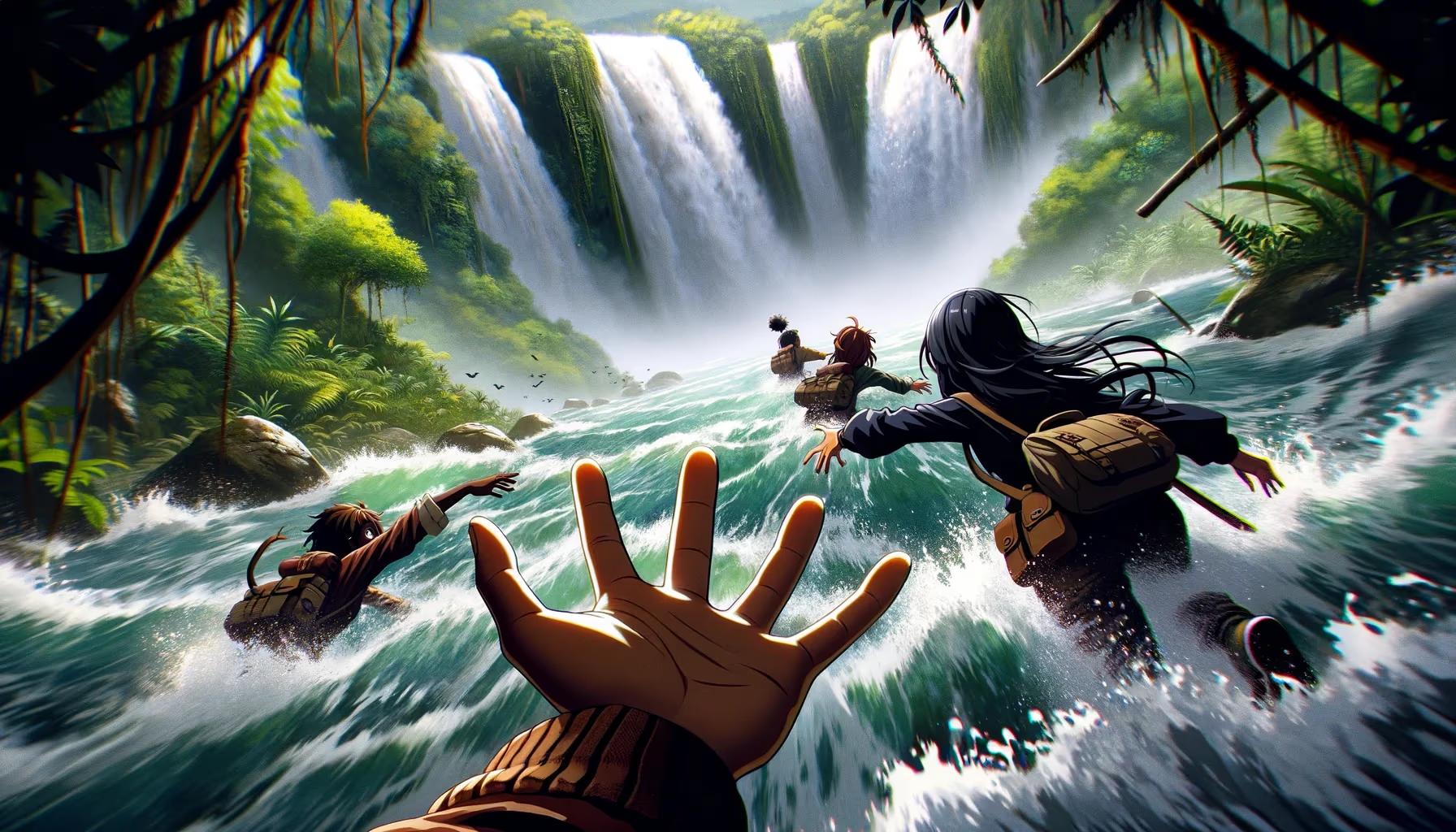
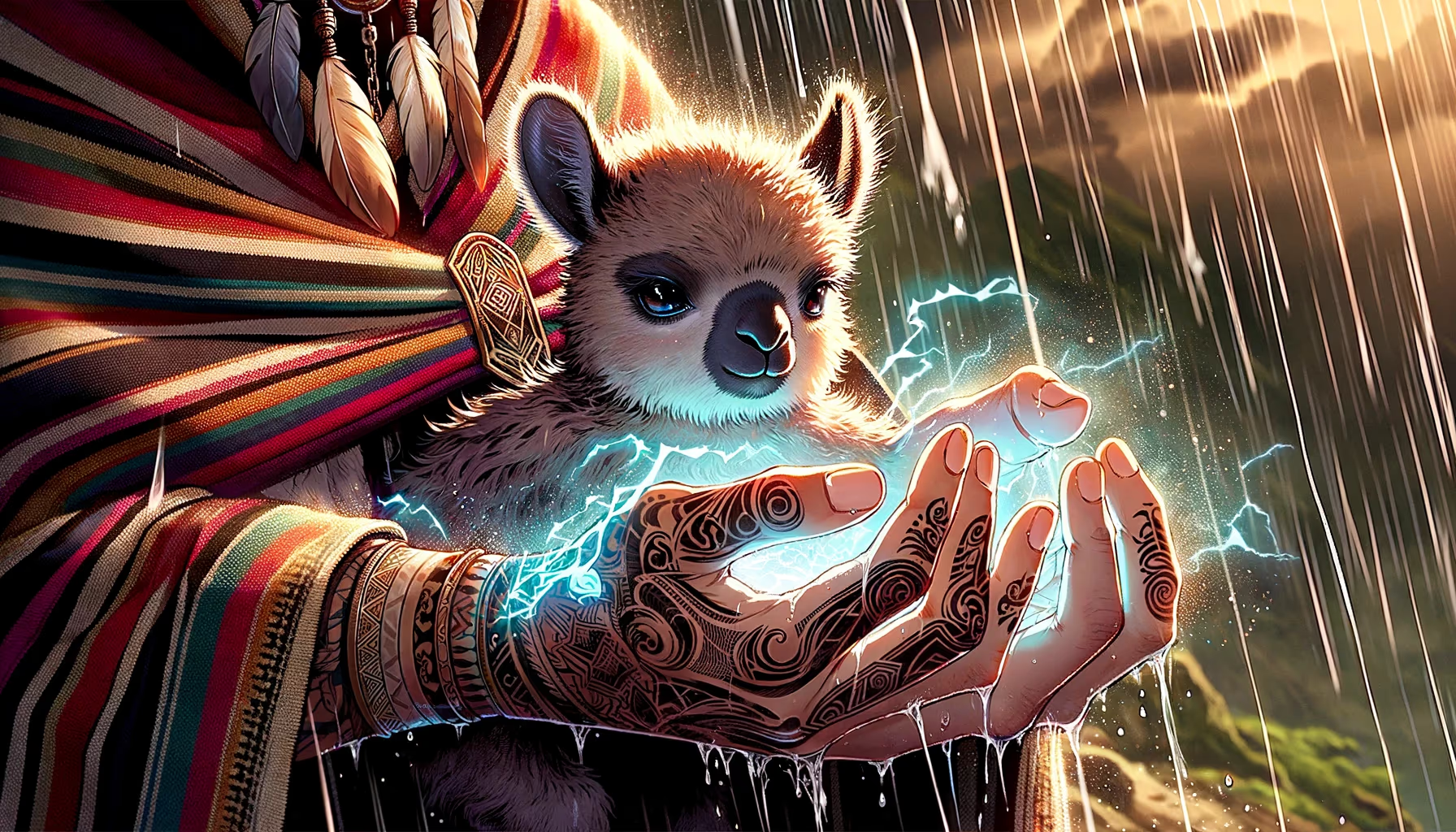
At dawn, two young chasquis step onto the mountain spine of the Sacred Valley. One carries memory, the other carries matter: quipu cords, medicine bundles, and rare seeds. Together they move like a heartbeat across stone roads, feeding villages with knowledge before sunset.
Ancient Peru Context: Chasquis as the Lifeblood of the Andes
Ancient Peru Research
This image maps directly onto one of the most important state systems in ancient Peru: the chasqui relay. In Inca administration, communication was not a side service, it was governance itself. Orders, warnings, logistics data, ritual timing, and elite requests had to move across harsh altitude in near-real time. The relay runner solved this by turning the road into a living information network.
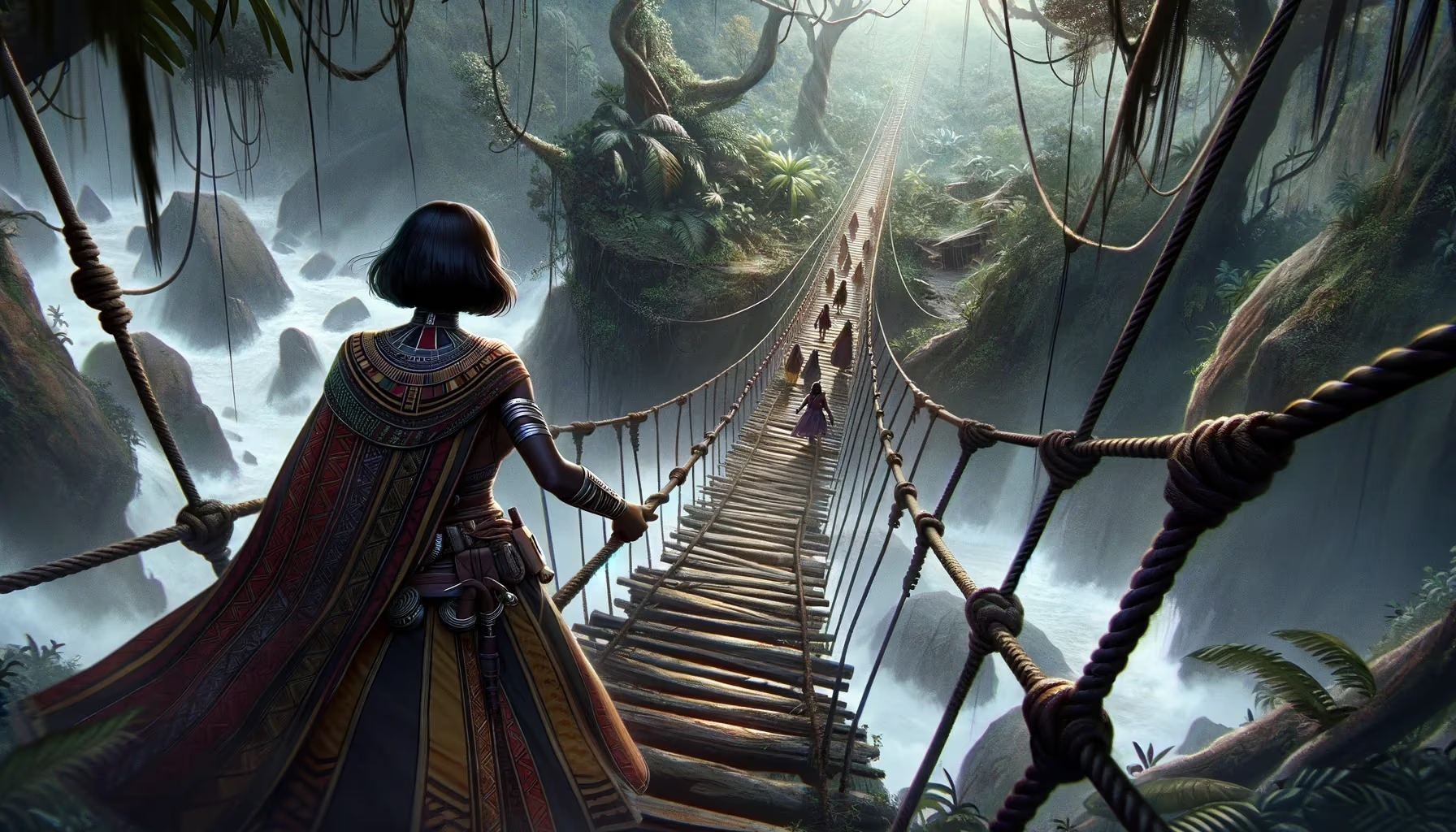
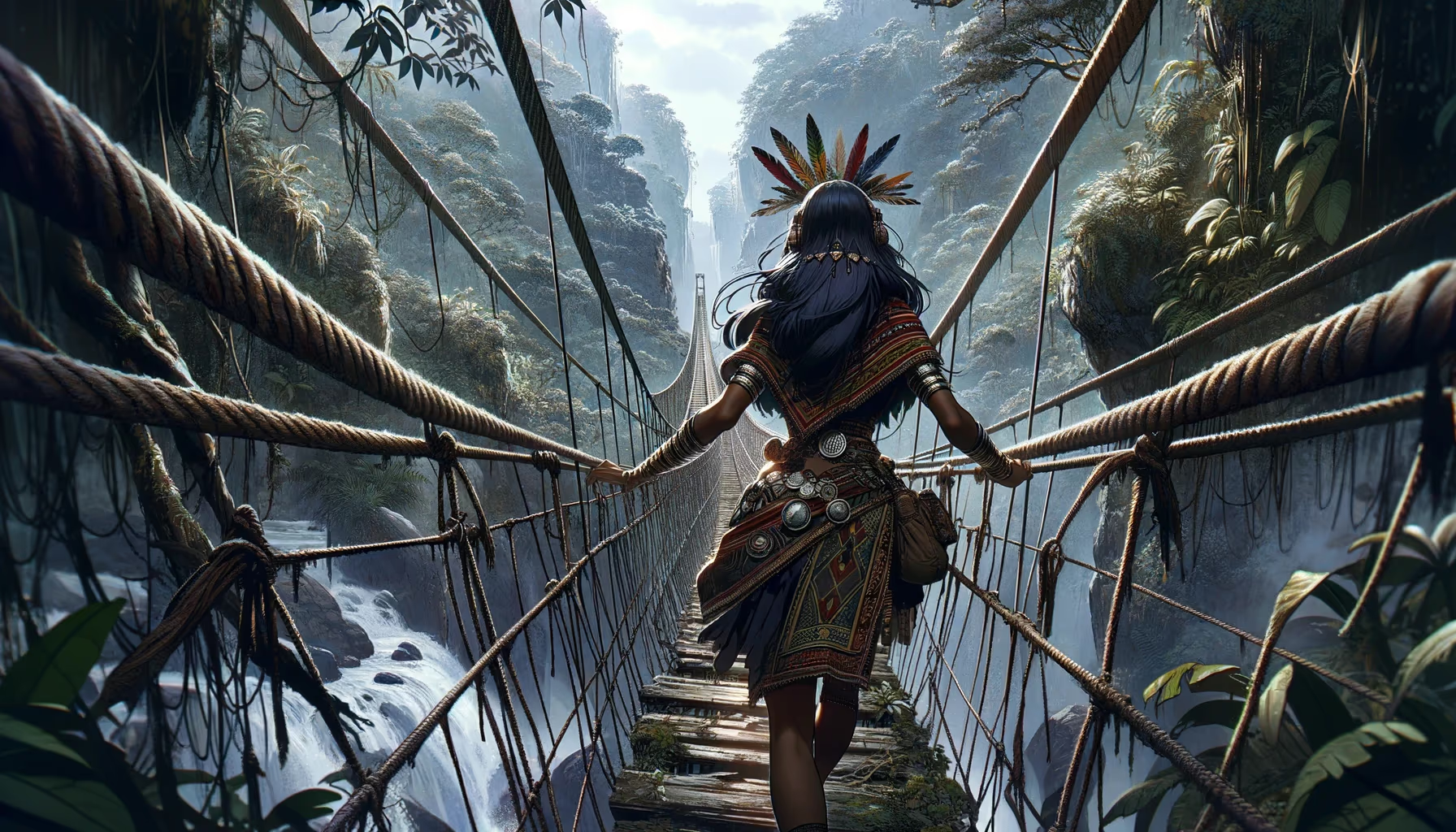
The infrastructure behind that network was the Qhapaq Nan, today recognized by UNESCO as an Andean road system of more than 30,000 km across six countries, used by messengers, armies, caravans, and communities. In the Peruvian context, government publications describe over 25,000 km of this broader network within Peru, where many segments still function as routes of exchange and movement. For your page theme, that matters: the runner is not isolated heroism, but a node in a civilizational machine that linked ecological floors, storage zones, and political centers.
The message itself could be oral, but Andean administration also used khipu (quipu) technologies: knotted-cord data systems capable of recording decimal values and inventories. In practice, this means your scene can represent two kinds of cargo at once: symbolic intelligence (spoken reports, political decisions, ritual timing) and material intelligence (counted resources, movement records, and controlled distribution). That dual role is exactly what your line says: "life blood of information and precious materials."
To make this page educational and mythic without losing rigor, frame the chasquis as guardians of flow between worlds: coast and highlands, farms and storehouses, ceremony and state. In ancient Peru, speed was never only speed. It was resilience, memory, and continuity across mountains.
Research Sources
Next Quest Prompt: Next quest: Compare this messenger route with one image focused on tambos, bridges, or highland storage hubs to show how information and materials moved as one system.