Andean Engineering: Stone, Water, and Seismic Intelligence
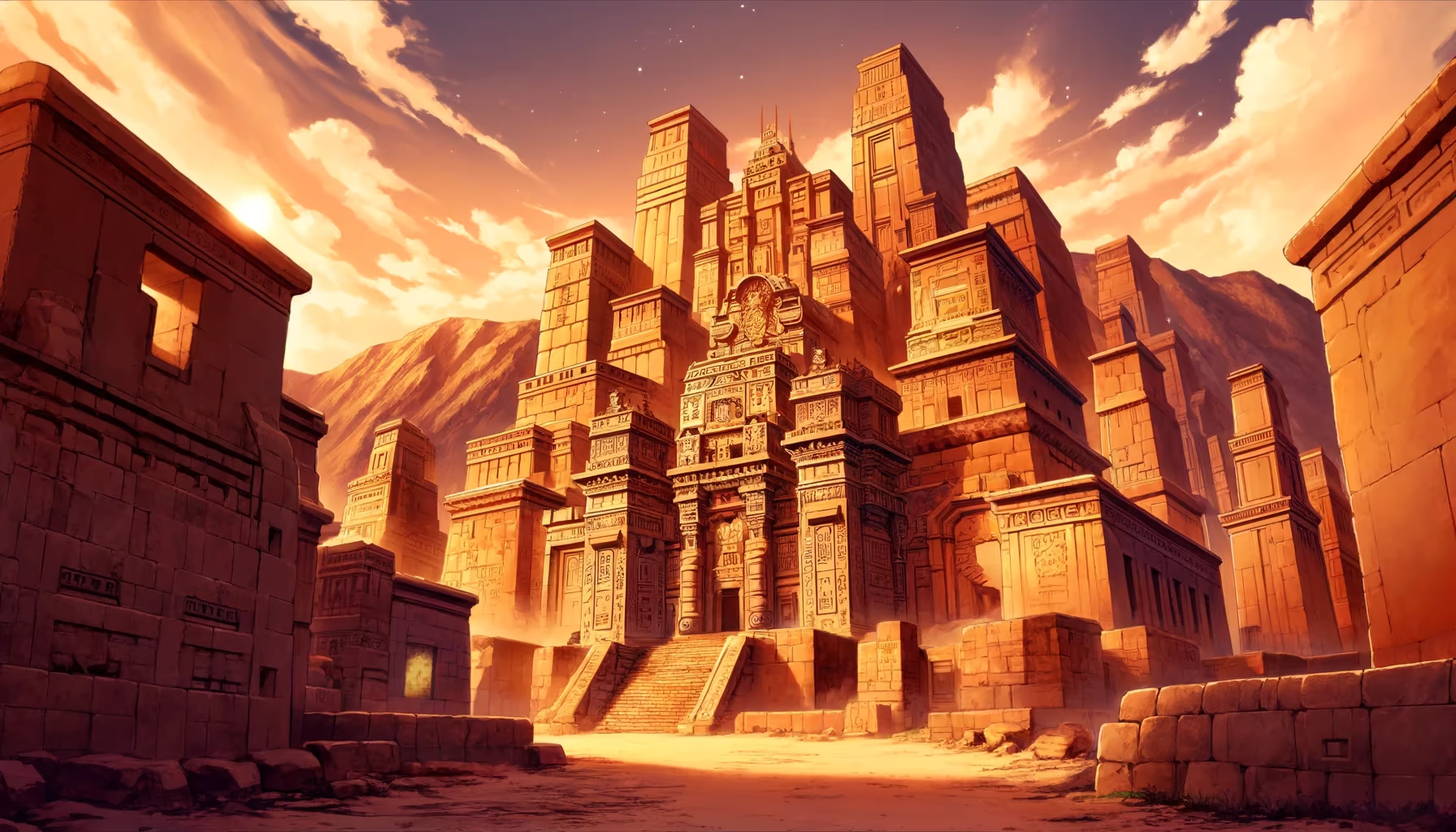
Ancient Peruvian engineering was systems design at landscape scale: masonry, hydrology, slope management, and seismic resilience integrated into one adaptive logic.
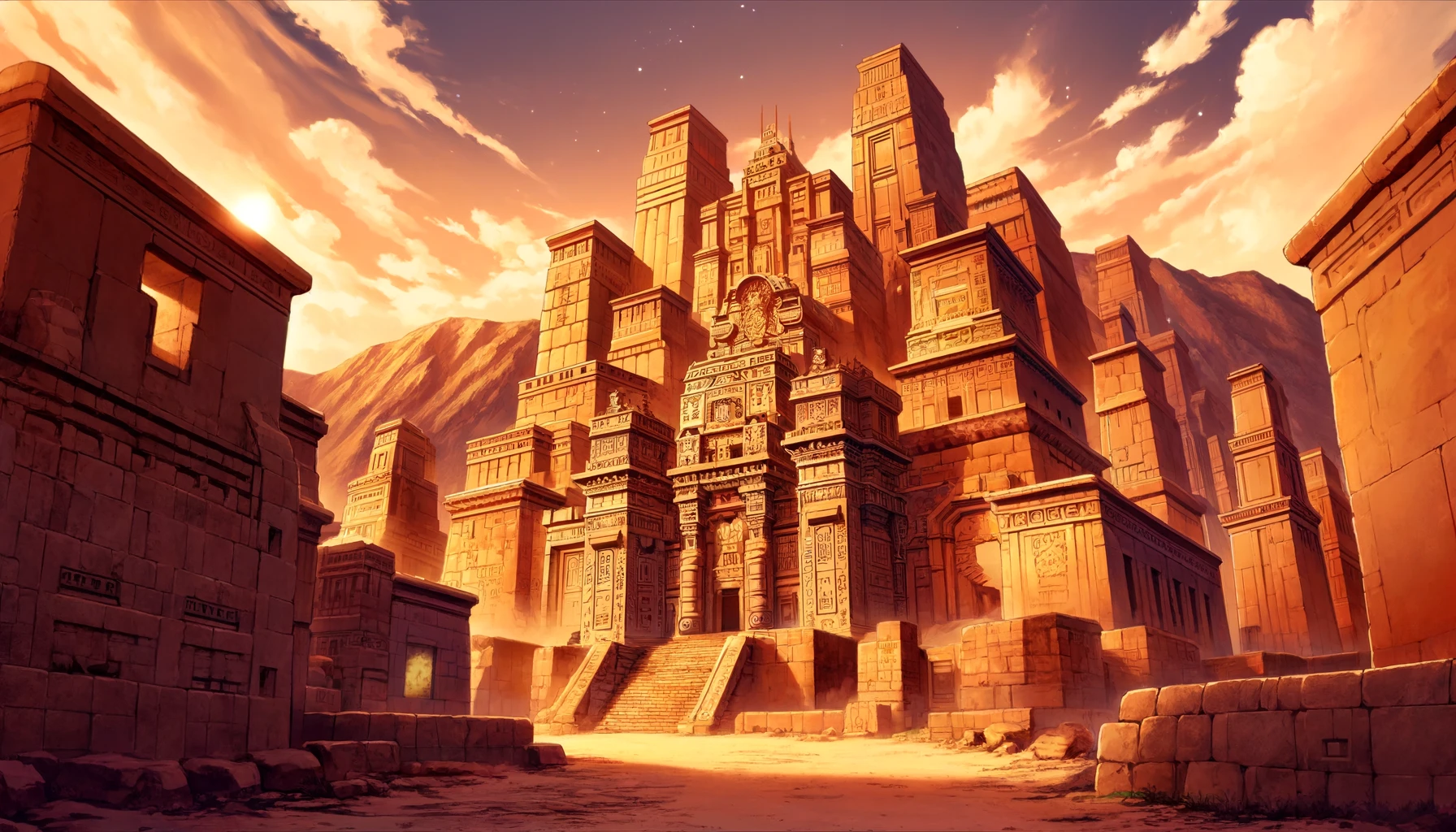
Precision-fit stonework distributes stress and allows structures to absorb seismic movement.
Canals, puquios, amuna-style recharge, and terrace drainage convert water volatility into managed flow.
Andenes are productivity engines and risk-control systems at once: food, soil retention, and microclimate design.
Roads, storage, plazas, and defensive nodes were engineered as interdependent systems rather than isolated monuments.
Architecture and Engineering
Andenes are agricultural terraces that manage slope, water, and microclimate while increasing food security.
Why It Matters Here: Terraces are climate, soil, and hydrology control systems, not simple steps.
Architecture and Engineering
Amuna refers to premodern water infiltration techniques that recharge aquifers for dry-season availability.
Why It Matters Here: Amuna-style thinking anchors long-cycle water storage and delayed release.
Architecture and Engineering
Puquio are spring-linked hydraulic systems, often associated with underground channels in arid zones.
Why It Matters Here: Spring systems reveal how water memory was engineered into territory.
Architecture and Engineering
Qolqa were state or communal storage facilities designed for climate control and long-horizon resilience.
Why It Matters Here: Engineering resilience depends on storage architecture as much as roads.
Architecture and Engineering
Kancha is a compound layout centered on a courtyard, used for domestic, elite, and institutional functions.
Why It Matters Here: Kancha planning translates social order into repeatable built form.
Architecture and Engineering
Ushnu is a ceremonial platform architecture linking political authority, ritual, and spatial order.
Why It Matters Here: Usnu-type spaces integrate ceremony, authority, and spatial command.
Architecture and Engineering
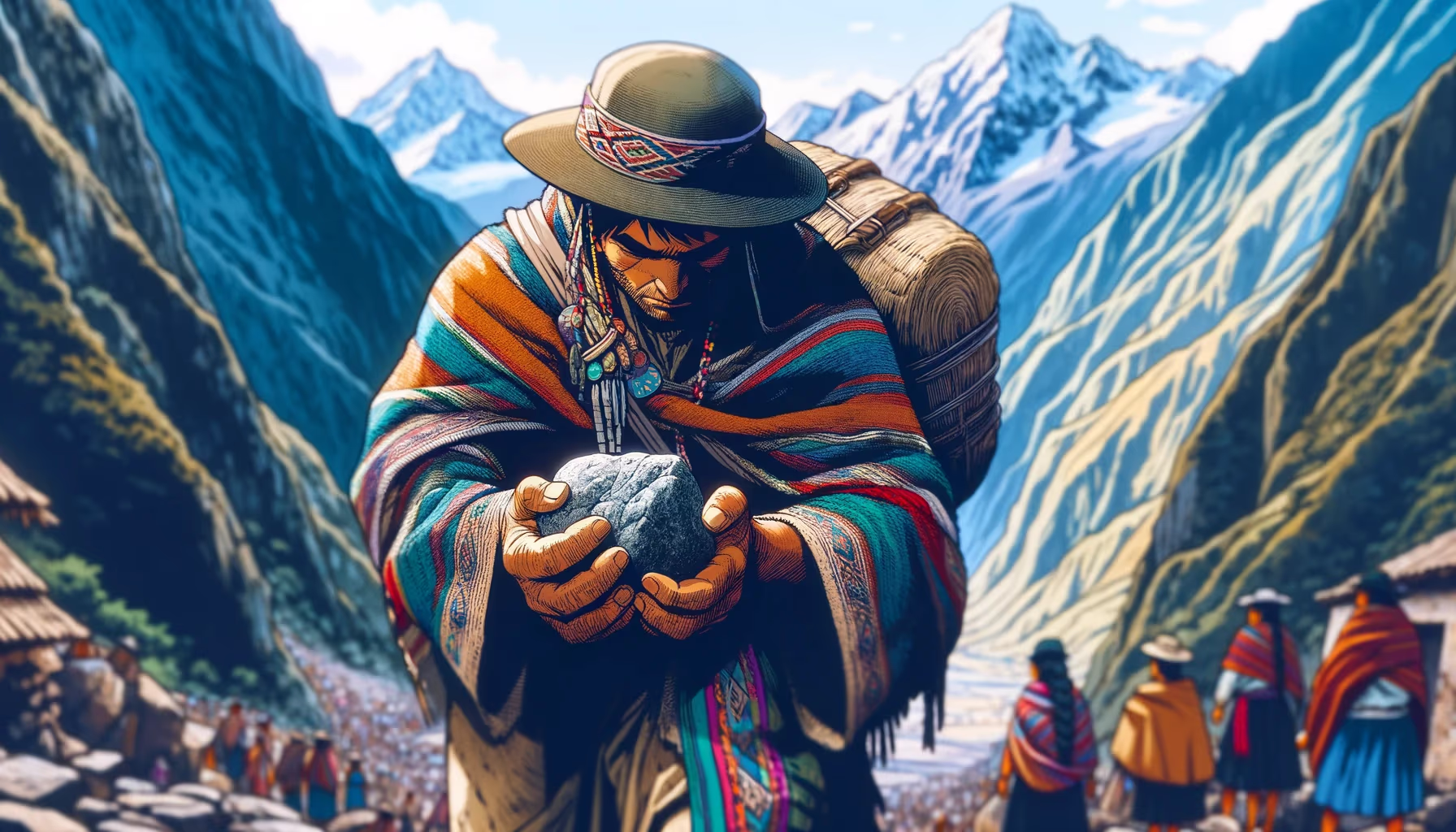
Apacheta are cairn-like stone offerings on mountain routes marking gratitude, passage, and intention.
Why It Matters Here: Apachetas mark movement corridors and moral geography at elevation.
Cosmovision and Sacred Terms
Chakana, the Andean cross, encodes relational geometry across cosmic levels, social order, and orientation.
Why It Matters Here: Chakana bridges symbolic geometry and practical orientation systems.
Compare enclosure logic, material strategy, and climate adaptation in large adobe systems.
Study pre-Inka planning depth and material coordination at civilization scale.
Use apacheta systems to evaluate wayfinding, ritual geometry, and risk management.
Read stone joining as dynamic resilience design under repeated seismic stress.
Interpret watershed and runoff design as precision infrastructure for agriculture and settlements.
Test interlocking wall patterns with small modules to compare stability under vibration.
Prototype mini-terrace channels and compare how slope angles change flow behavior.
Document how clay, stone, fiber, and wood perform differently across conditions.
Apply one Andean engineering principle to solve a real local problem in your space.
How did ancient builders optimize for seismic movement without modern steel systems?
What engineering choices balanced durability with repairability?
How were water, gravity, and soil treated as one integrated system?
Which building lessons can be translated into low-cost classroom experiments?
How can material science be taught through indigenous stone and earth examples?
What does engineering ethics look like in sacred landscapes and living communities?
Compare stone-fit strategy, slope management, and reconstruction resilience.
Read landscape hydrology as planned infrastructure, not passive environment.
Pair exhibits with live mechanics demos so visitors test ancient design principles directly.
Translate Andean engineering into repeatable student experiments and measurable outcomes.
Primary heritage framing for the highland capital and its urban-engineering context.
Core dossier linking architecture, engineering, landscape, and conservation pressure.
Living evidence for terracing, water routing, and highland production systems.

Technical review of hydraulic design, drainage, and slope stabilization strategy.
Engineering-history bridge linking civil practice with Inca site performance.
Urban continuity context for masonry, planning, and post-seismic rebuilding cycles.
Finite-element and rigid-body modeling of Inca wall behavior under seismic loading.
Detailed mechanics and methodology references for historical stone systems.

Useful for integrating engineering systems with social-use and local adaptation evidence.
Andean stone architecture is often admired for beauty, but its technical brilliance is resilience. Interlocking masonry and geometric discipline reduce catastrophic failure under repeated seismic events.

This is engineering by material behavior, not surface decoration. Stones are selected, shaped, and placed to cooperate structurally.

Use this in Pachakuna as a design lesson: beauty follows system intelligence.
In the Andes, water control is social survival. Channel alignment, seasonal storage, infiltration, and drainage design create stability across dry and wet cycles.
This hydrological intelligence scales from household to region. One spring, one terrace wall, and one route crossing can affect entire communities downstream.
Teach visitors to read water pathways as civic architecture.
Your builder ecosystem is perfect for engineering literacy. Challenge users to explain why a tile placement improves flow, stability, or access.
Pair every visual build with one systems question: what risk is reduced, what resource is protected, what relationship is strengthened?
This converts static admiration into active engineering thinking.
Use this as the root node for stone-water-seismic learning.
Foundational terrace term with ecological implications.
Study urban stone systems and imperial planning logic.
Trace early monumental engineering in coastal Peru.
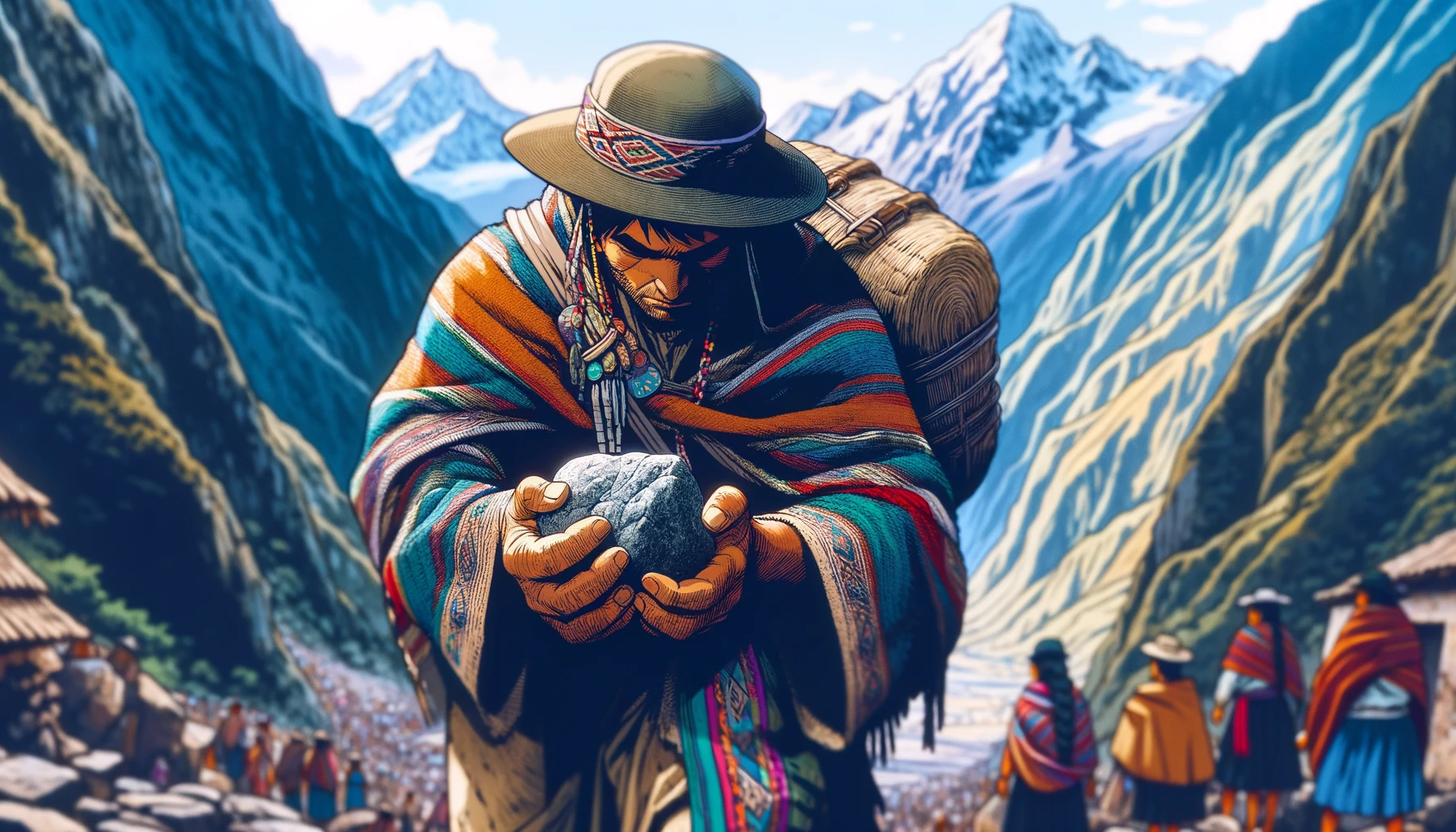
Bridge geology and crafted stone design.
Apply slope, flow, and resilience logic in hands-on layouts.
Translate infrastructure ideas into modular models.
Use puzzle layers to teach terrain and route logic.