Story Mode
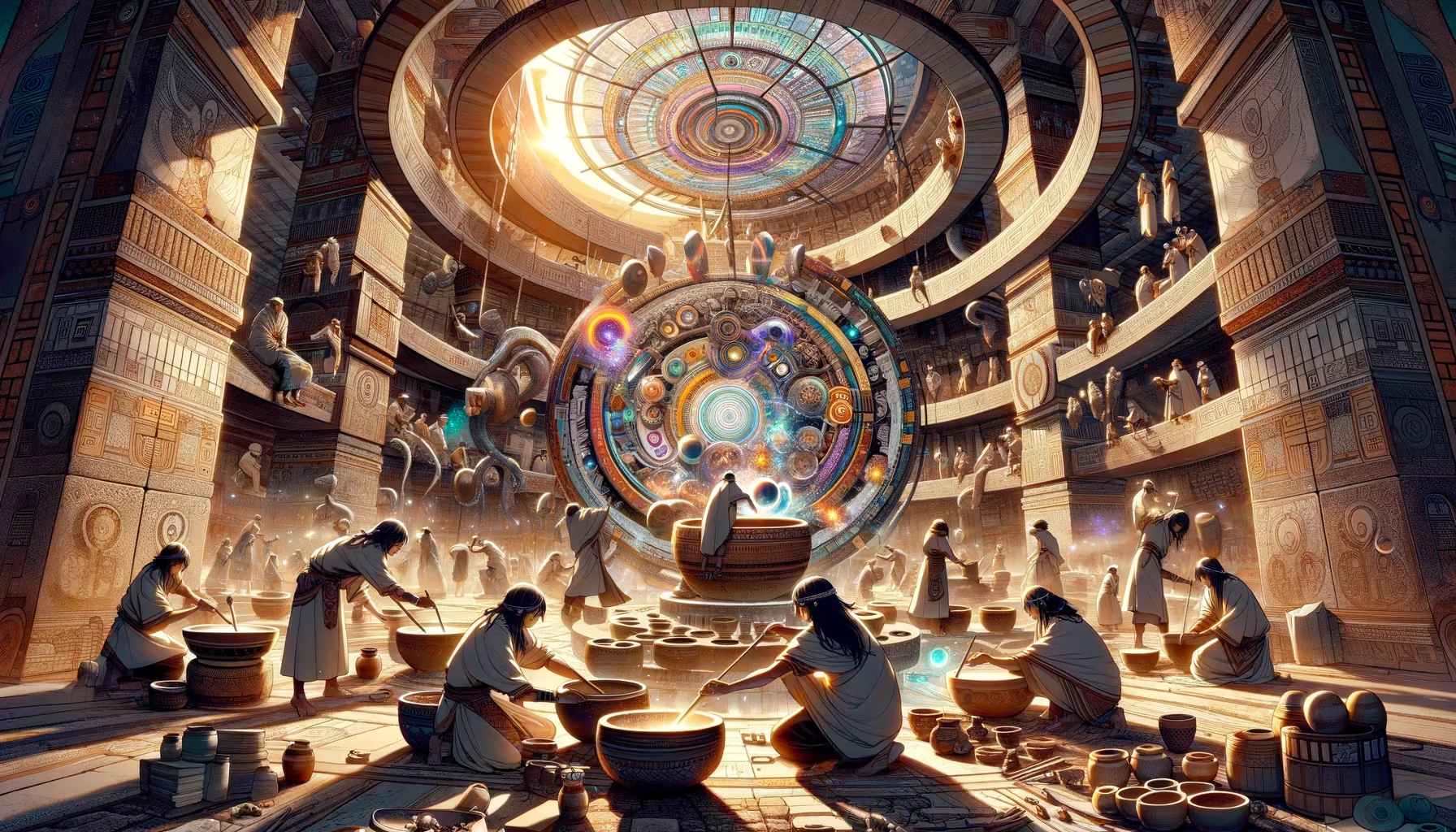
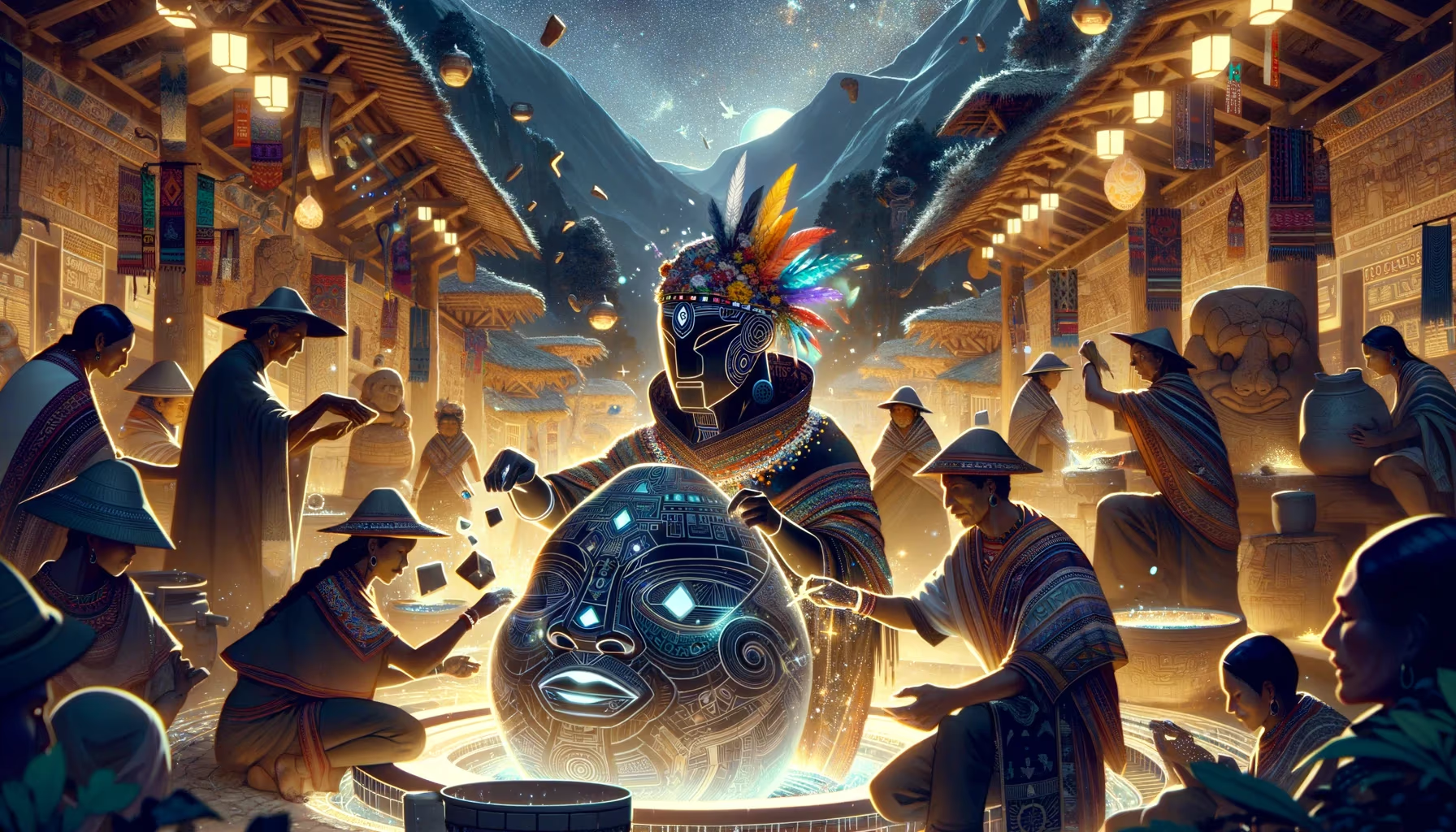
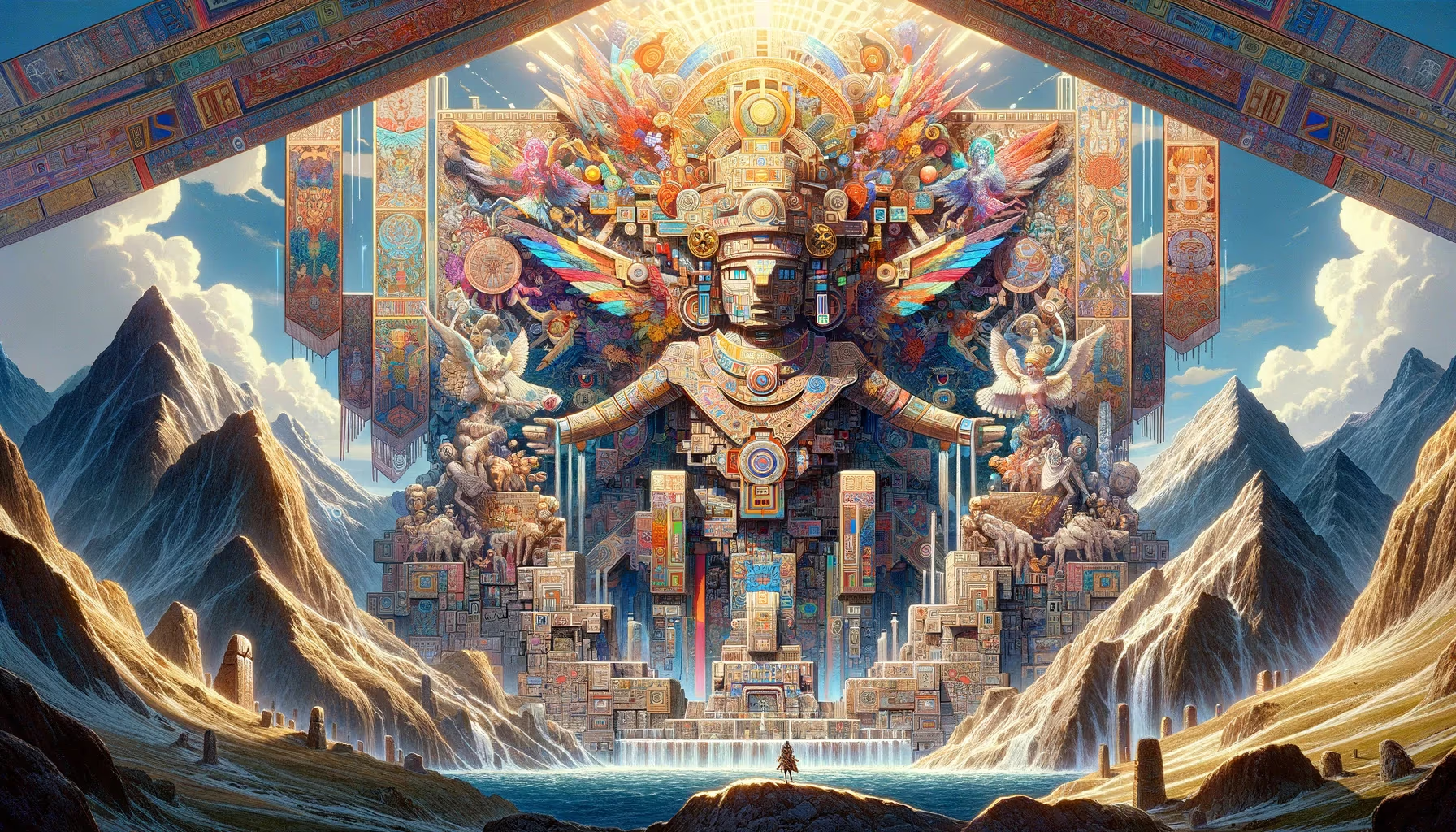
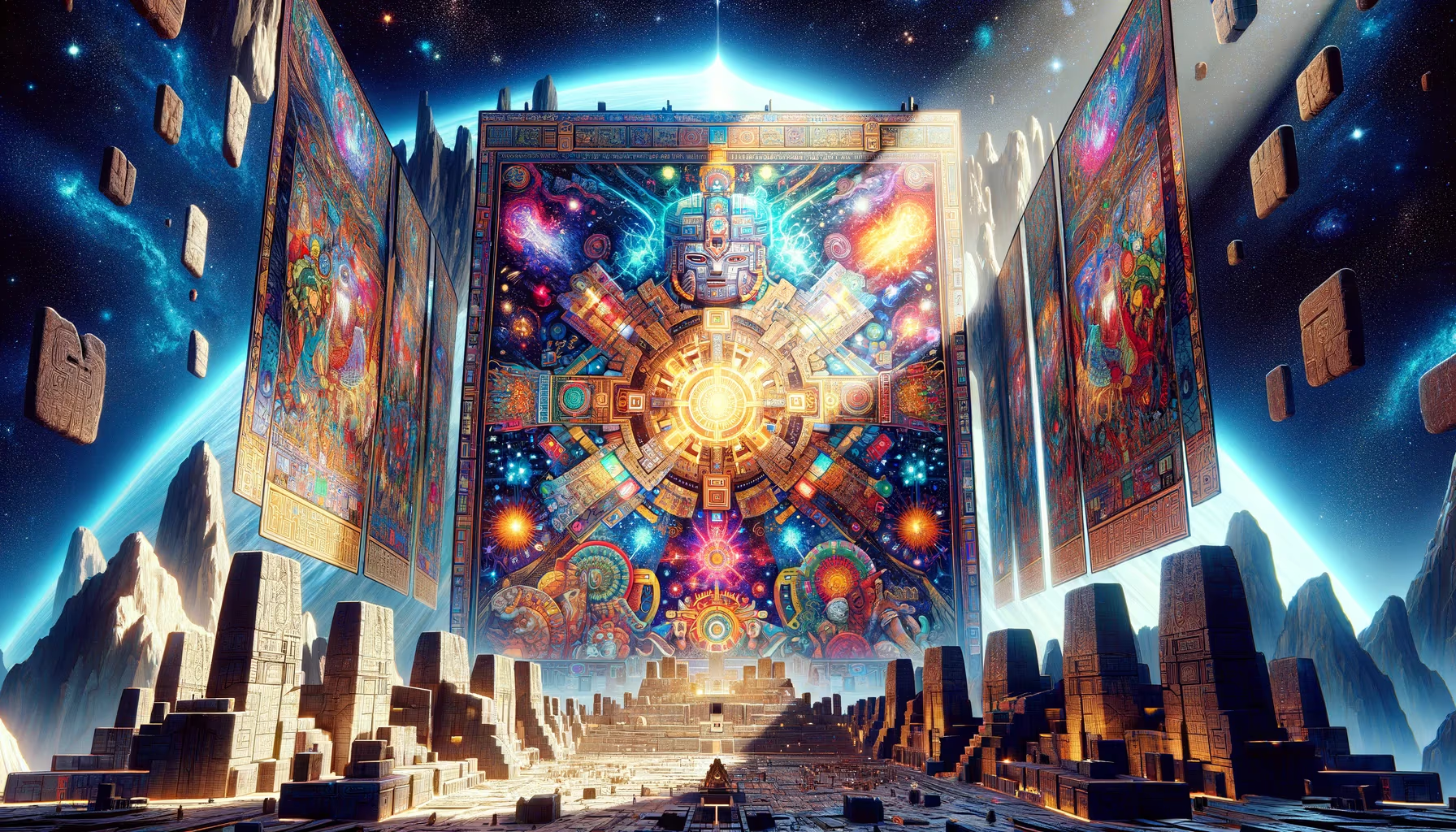
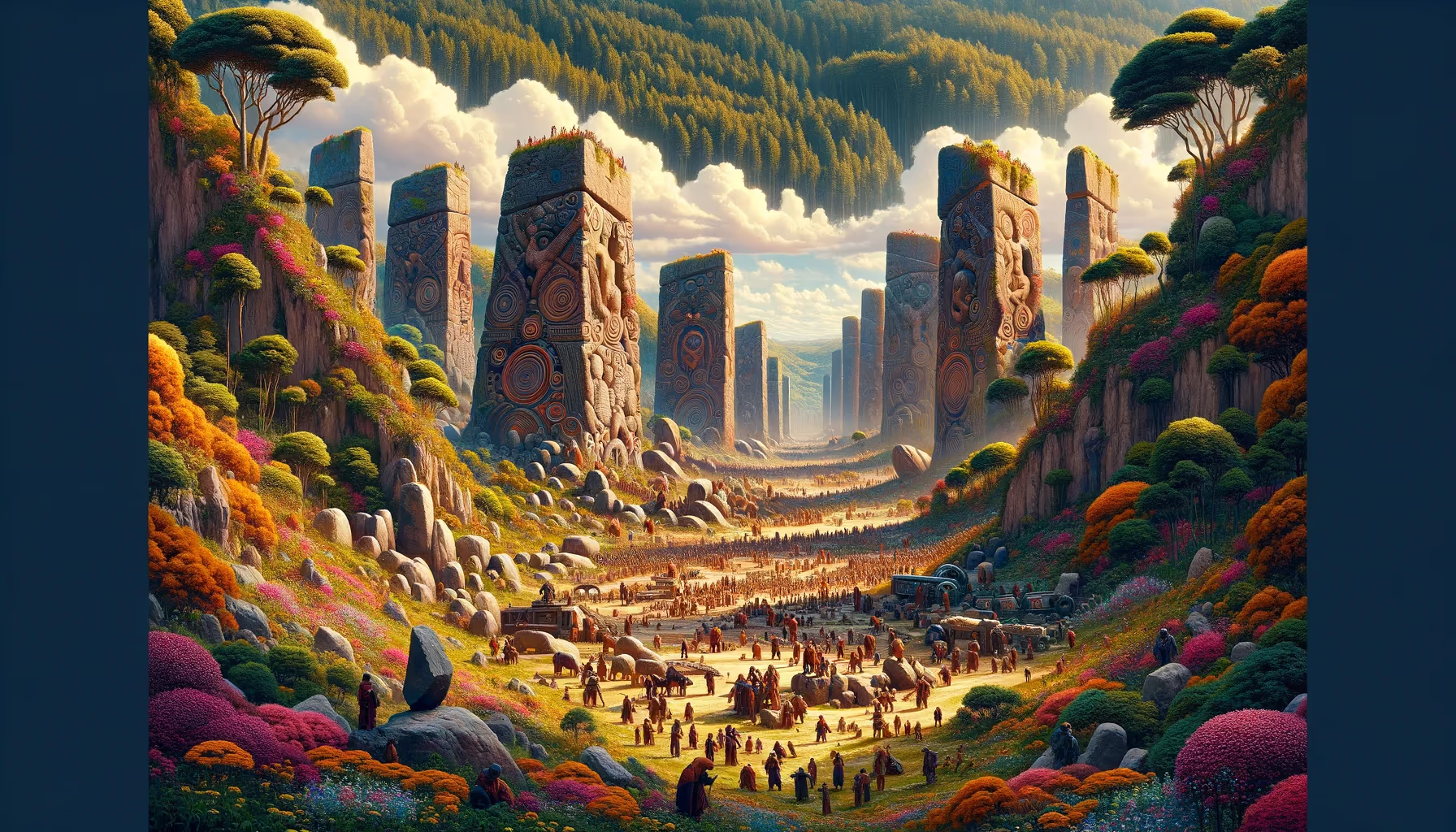
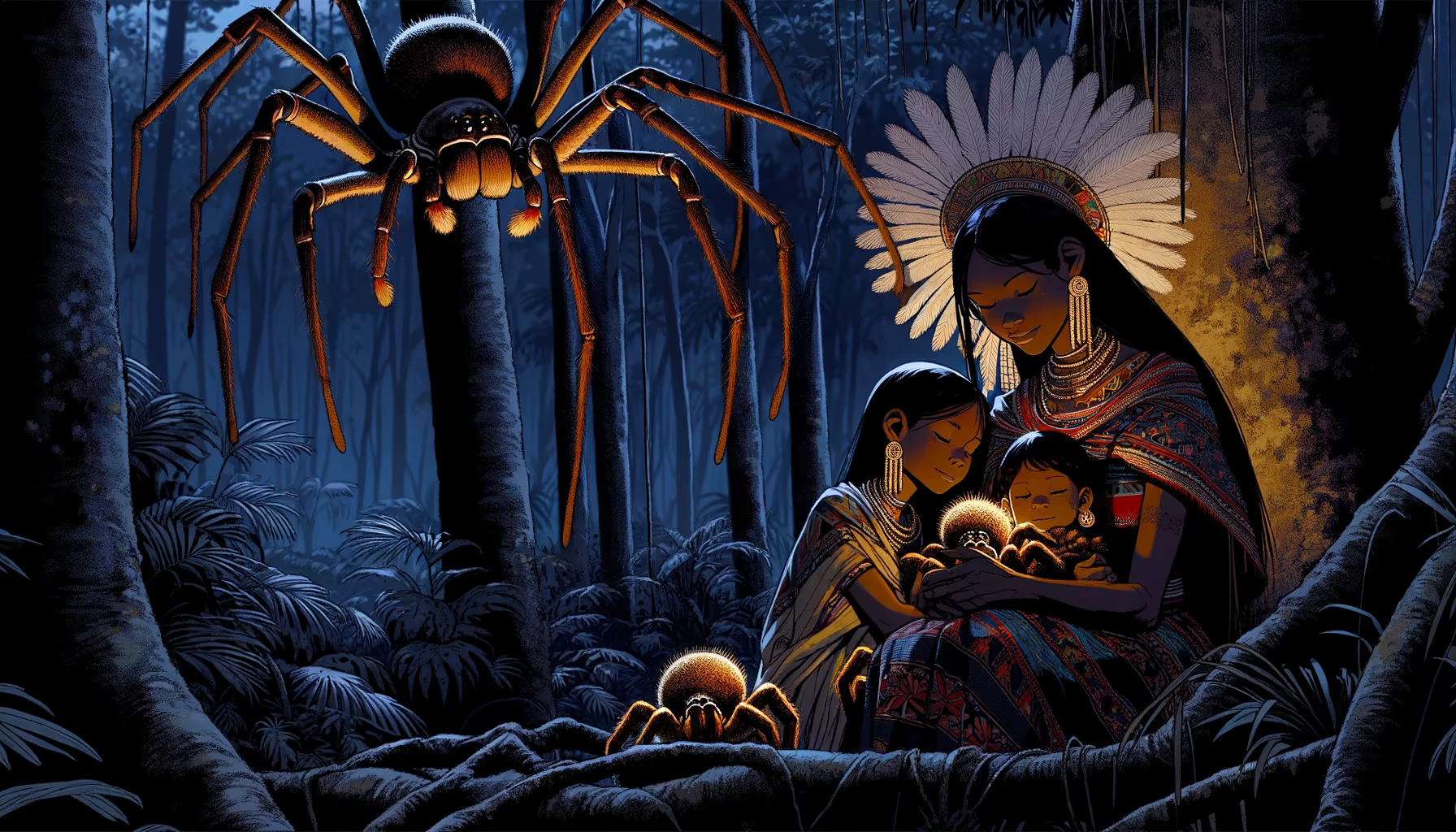
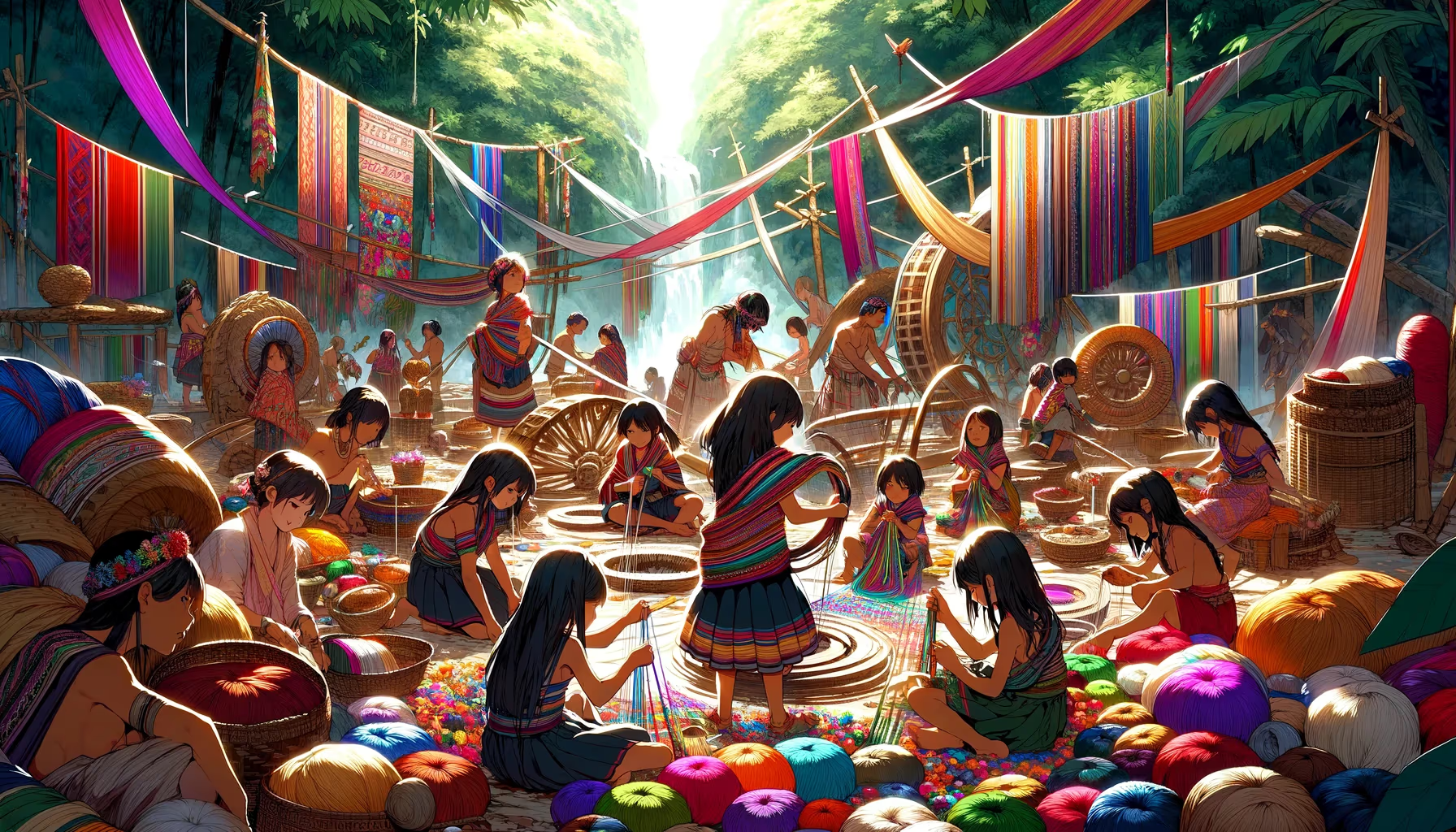
Under moonfire and mountain wind, the medicine circle opens. Elders say plant wisdom is not owned, it is carried: generation to generation, civilization to civilization, memory to memory. What we hold today is a shard of an older library, and every healer is both student and messenger.
Ancient Peru Context: Sacred Valley Plant Medicine as Living Science
Ancient Peru Research
Your line about very ancient continuity is perfect for mythic storytelling, and we can ground it in evidence: in the Andes, medicinal plant knowledge is documented across long historical arcs and preserved through oral transmission, ritual, and community practice. A landmark Northern Peru study frames this as a two-thousand-year healing continuum, with roots reaching at least the Moche period (AD 100-800).
The complexity is extraordinary. That same study recorded 510 medicinal plant species, 2,499 distinct uses, and 278 medical conditions, with most species native to Peru. It also shows that healing systems were not separated into modern binaries of physical vs. spiritual; ritual, psychosocial, and bodily care were integrated. In other words, this was not a small folk appendix to life, it was a high-resolution knowledge system.
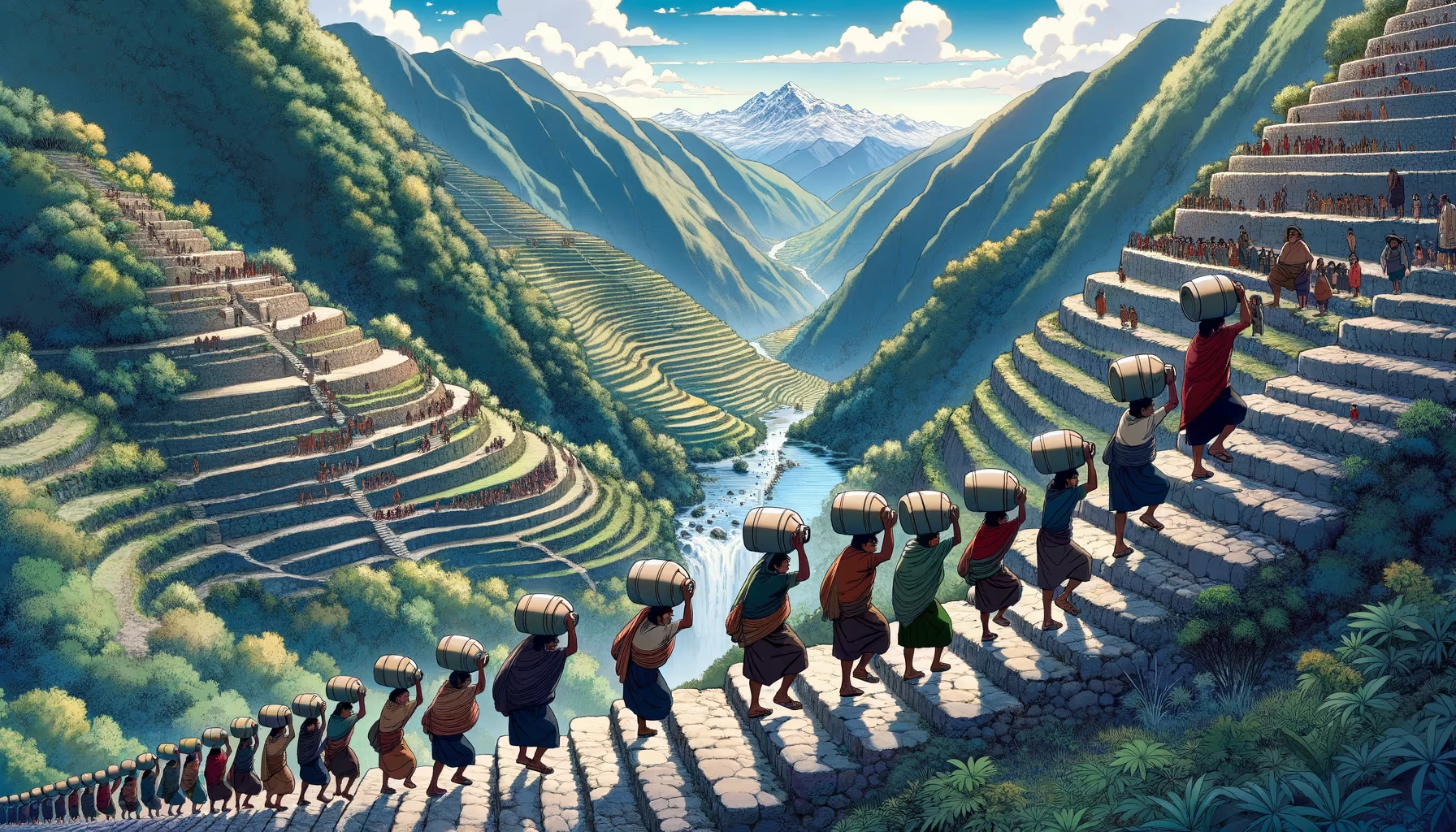
For Sacred Valley relevance, we can point to community-led preservation directly in Cusco-region contexts. A UNESCO case study on Chinchaypucyo describes projects that recover and transmit agricultural and medicinal knowledge from elders, linking plant practice to food security, identity, and intergenerational resilience. A Sacred Valley-focused paper on medicinal and aromatic Andean plants also reports that cultivation, transformation, and solidarity-market work strengthened family self-esteem and cultural reaffirmation around Andean medicine.
On your broader claim that civilizations used plant medicine to advance: that pattern is strongly supported. WHO documents how traditional knowledge informed major modern therapies, and highlights links from ancient practices to medicines such as aspirin, artemisinin, and childhood cancer treatments. So we can frame this page confidently: what survives in the valley today is part of a global civilizational archive, and we likely hold only a fragment of what once existed in full.
Research Sources
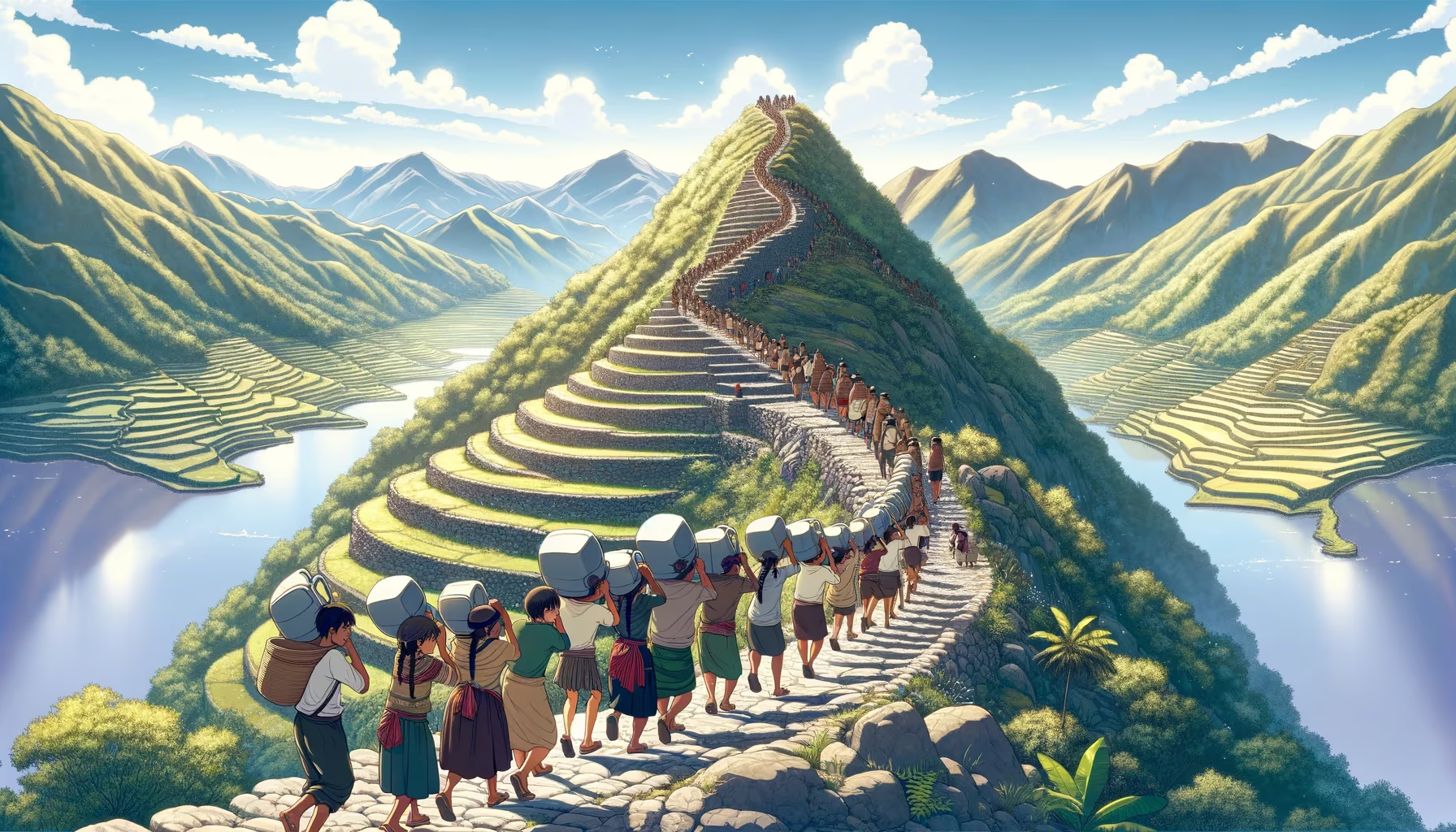
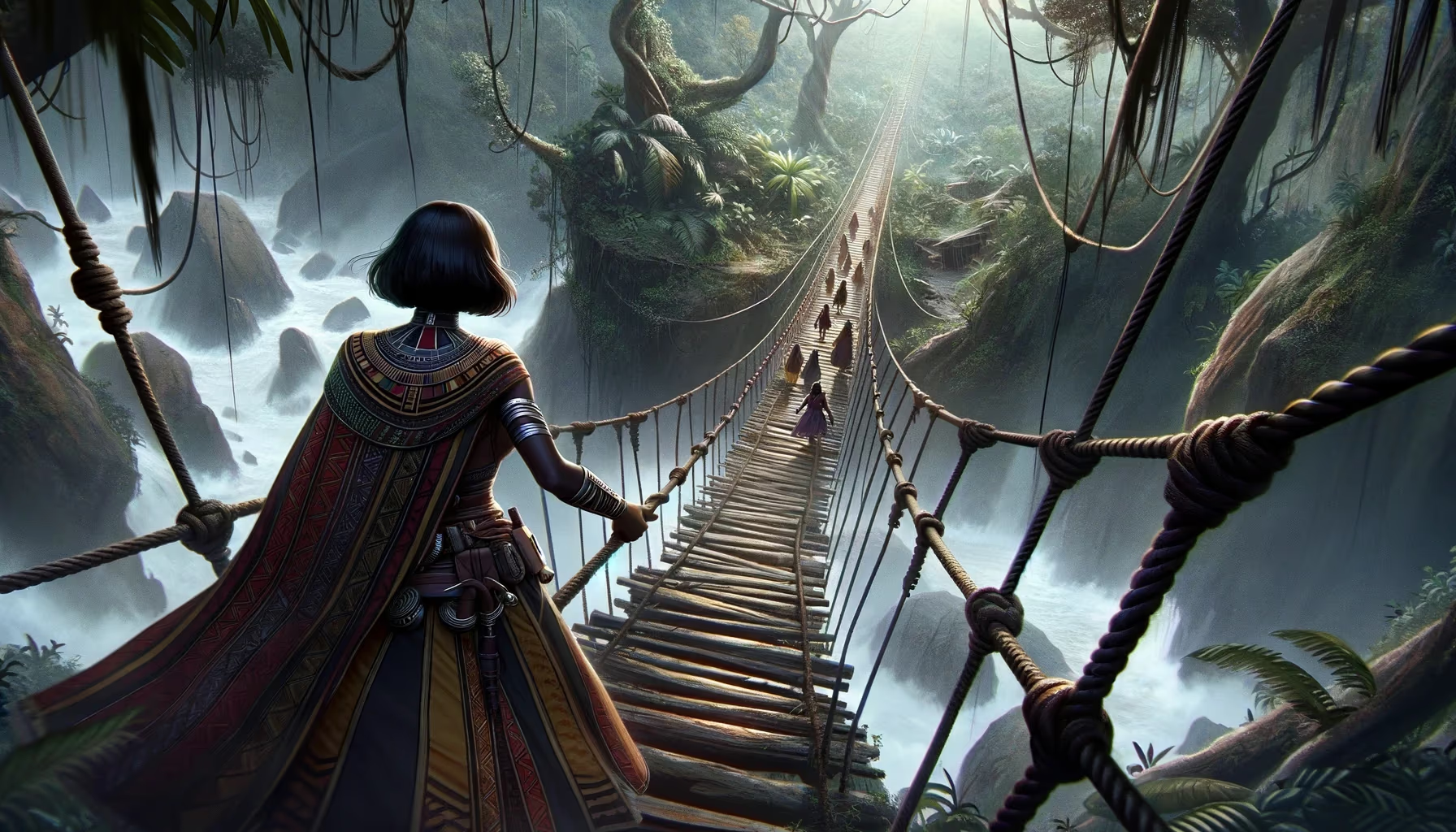
Next Quest Prompt: Next quest: Pair this medicine-collective scene with one page focused on water, terraces, or seed exchange so visitors can see how healing, agriculture, and infrastructure formed one integrated Andean system.
Context and references
Use this page for cultural and geographic learning paths around the artwork.
Additional curated references for this piece will be expanded in the next content pass.