Story Mode
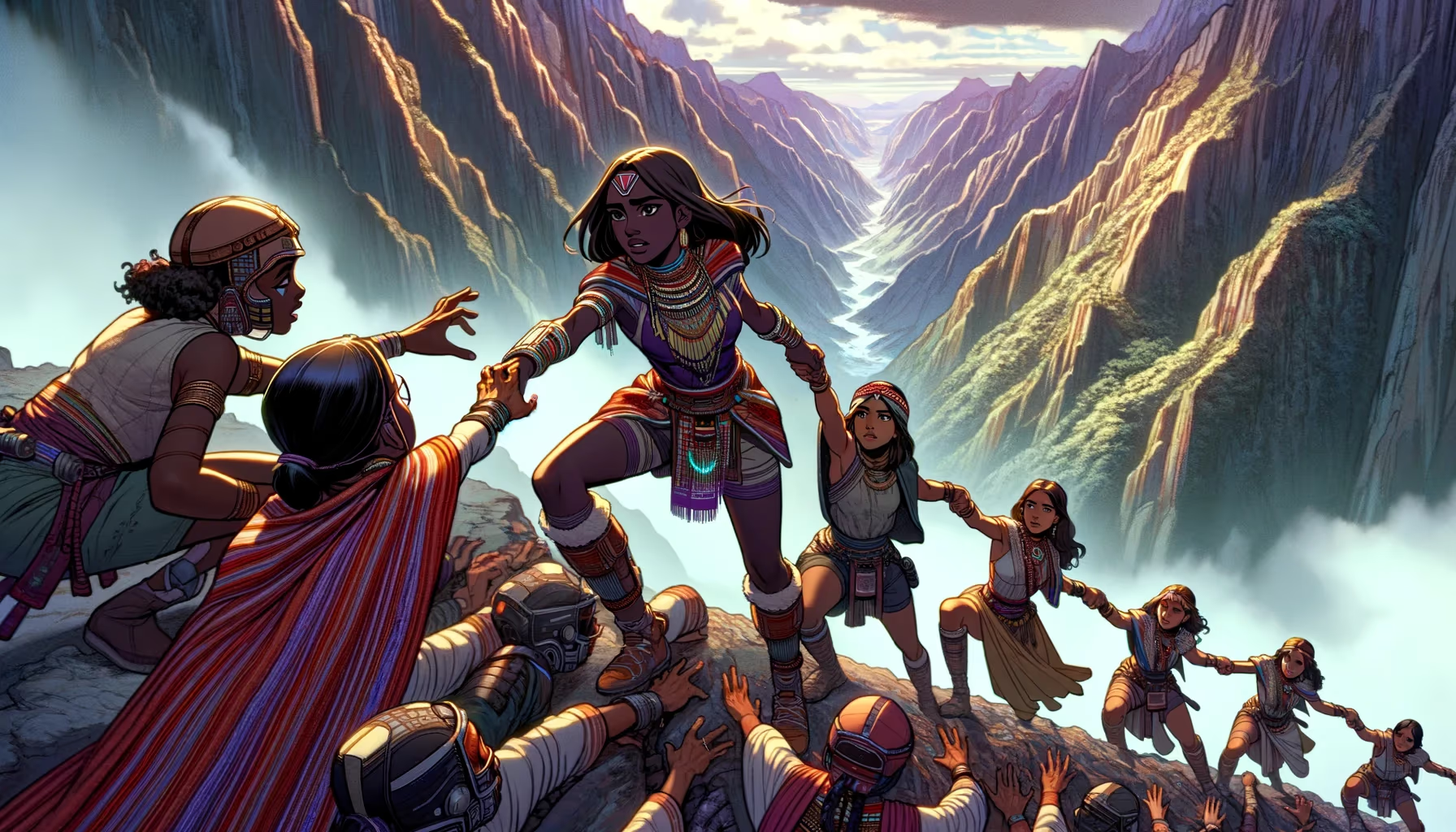
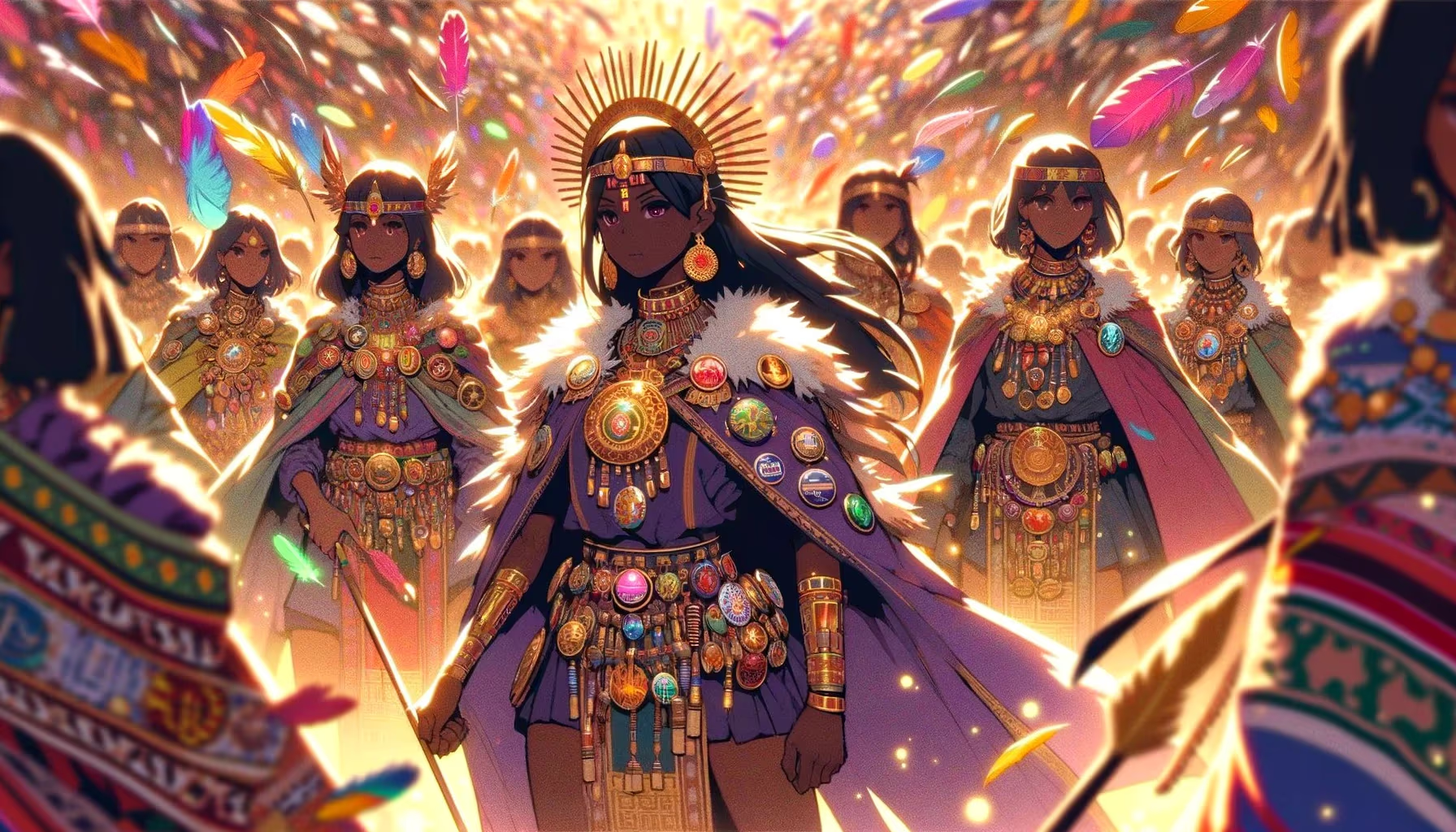
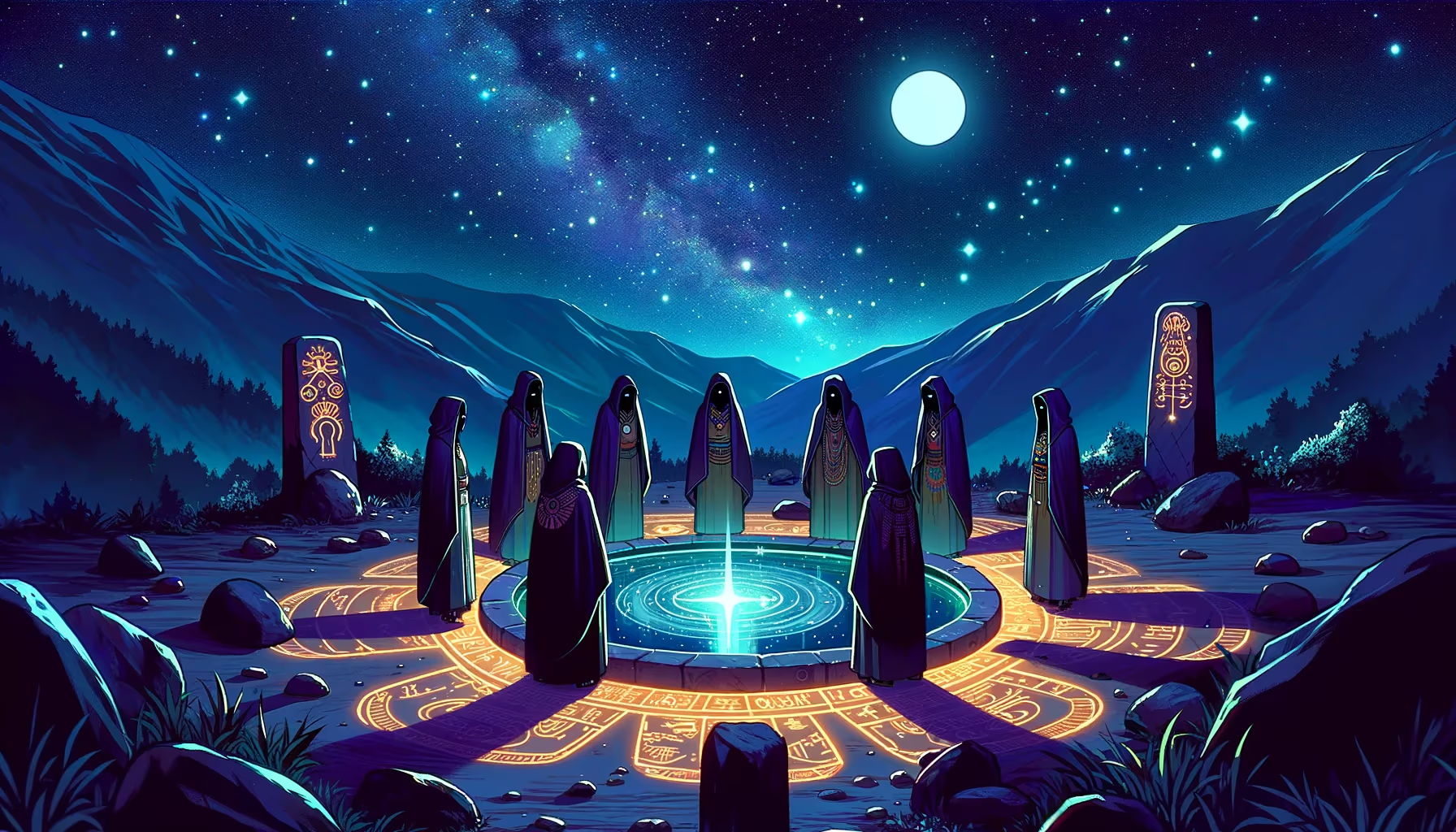
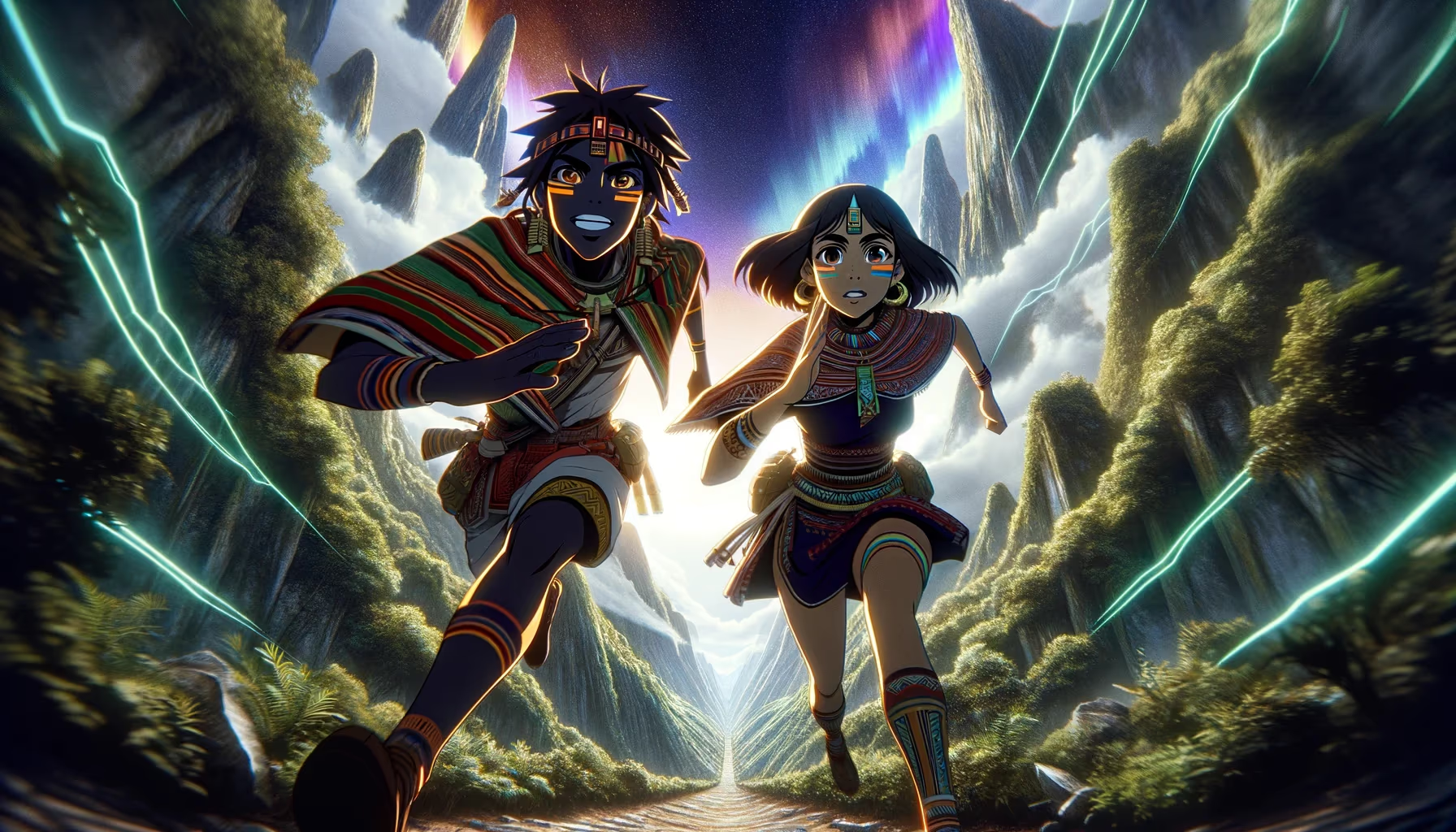
"We climb together, or we do not climb at all." In Pachakuna memory, the trail belongs to the group: strongest scouts in front, wisest caretakers in the middle, and no one left behind.
Ancient Andean Group Hiking: Leadership, Reciprocity, and Collective Safety
Ancient Peru Research
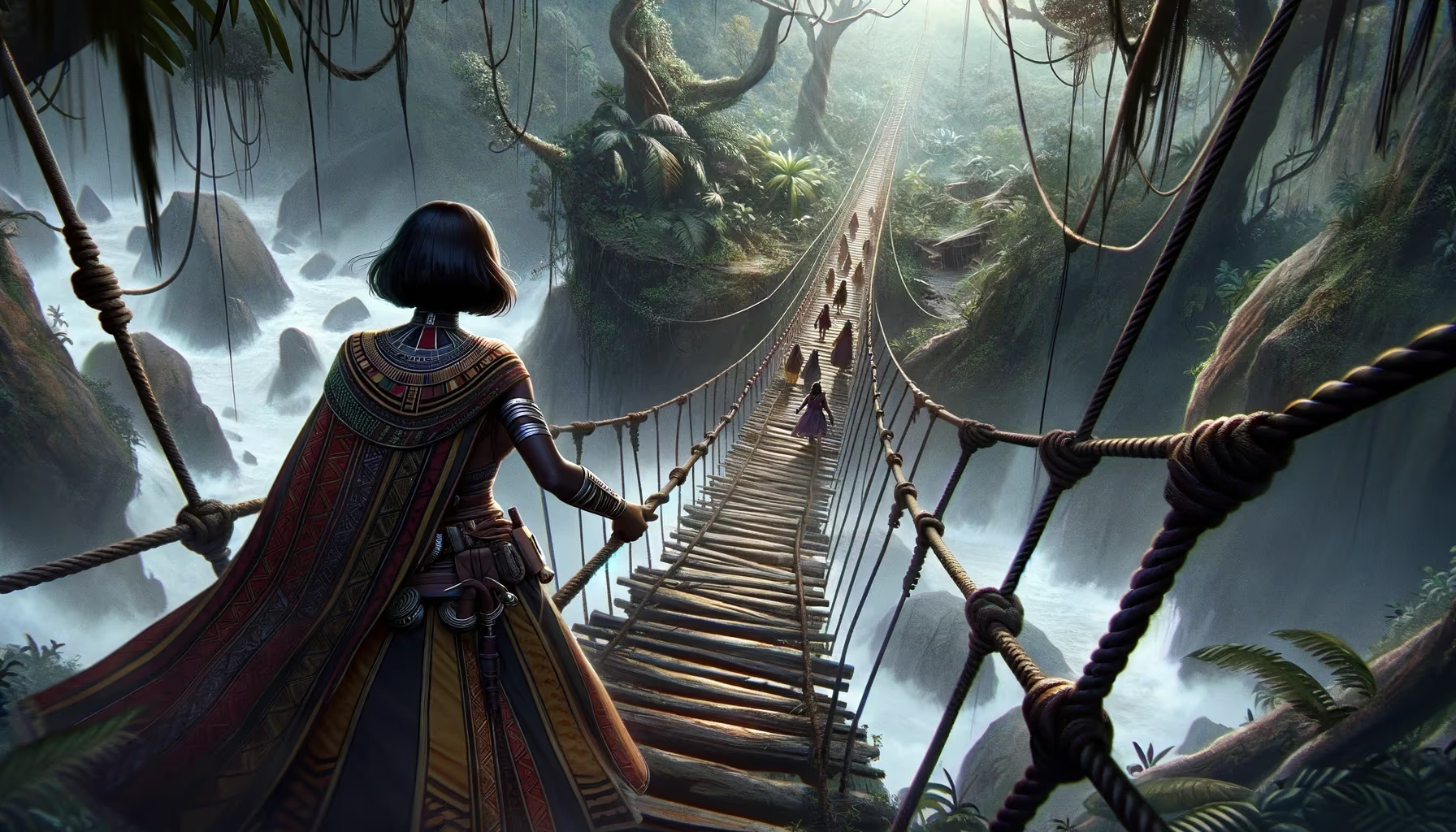
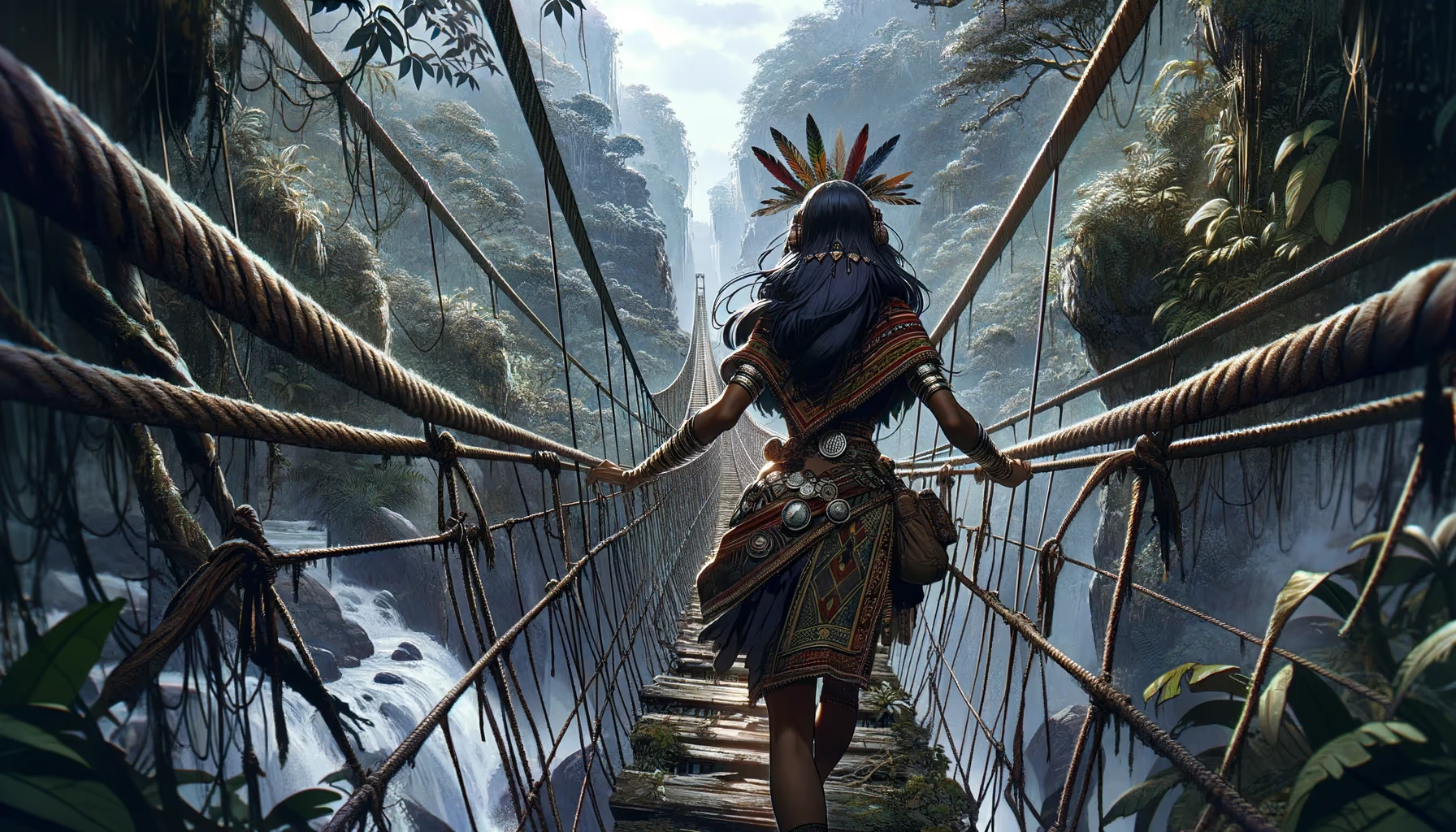
This scene is a powerful fit for an Andean group-hiking story. In the Andes, movement on high routes was rarely imagined as isolated individual heroism. The Qhapaq Nan system connected communities across ecological floors, and route use depended on cooperation, planning, and shared responsibility.
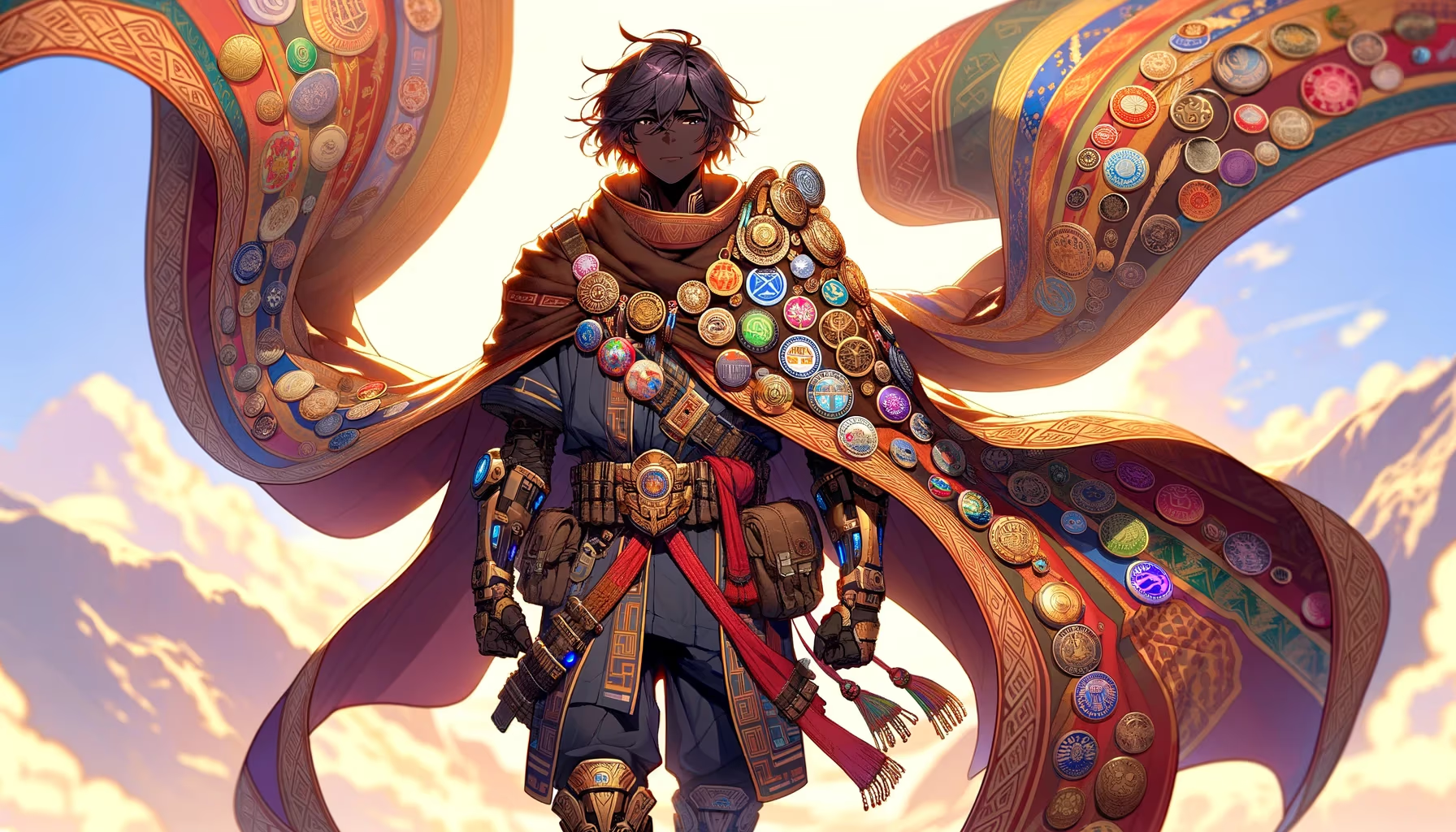
A leadership reading works especially well here: group travel in difficult altitude requires role distribution - pace-setting, route reading, load support, and care for the slowest member. In Andean social logic, that kind of coordinated movement aligns with reciprocity ethics still described today through terms such as ayni and minka in community life.
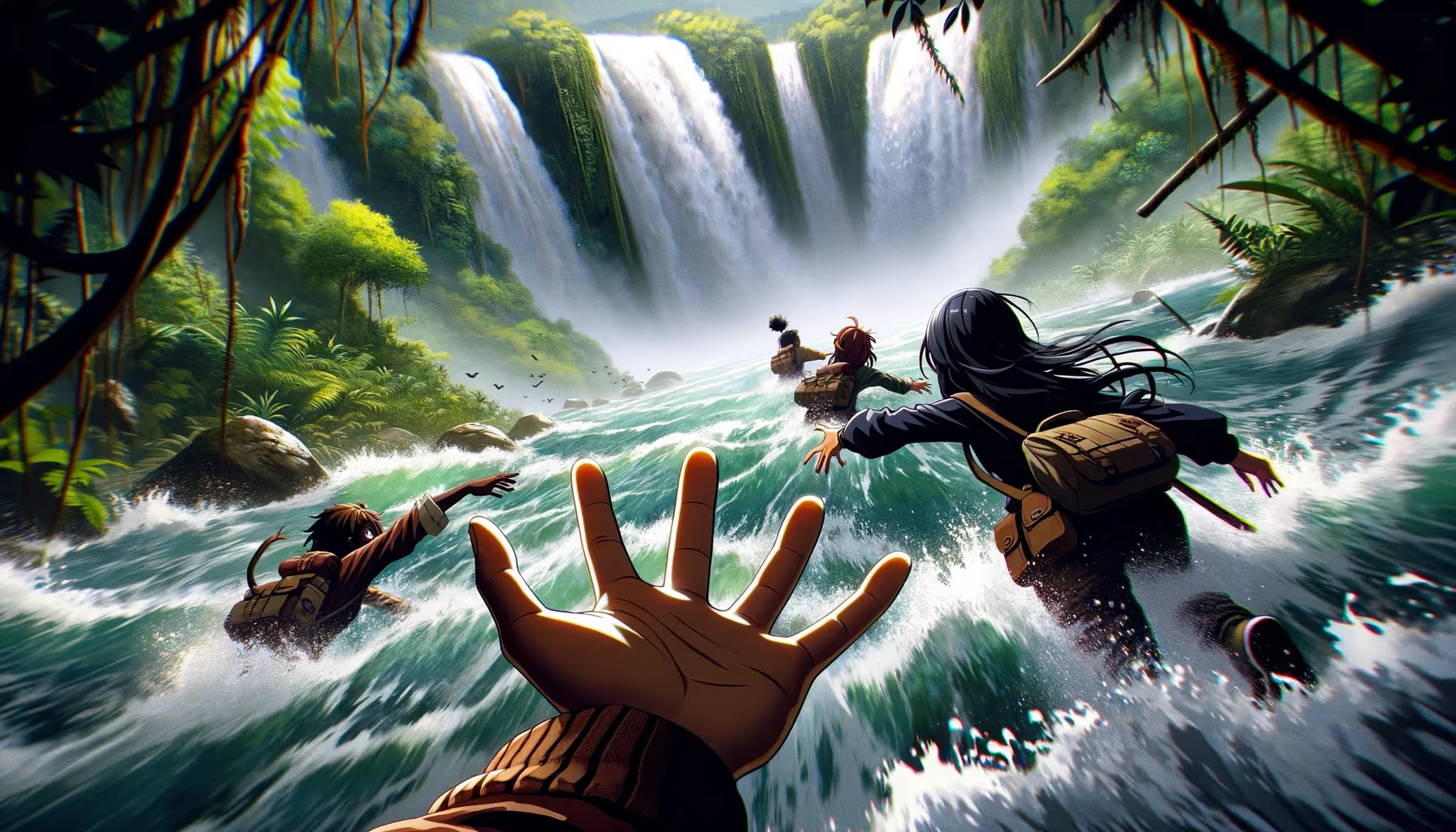
For a youth-facing page, the message can be epic and practical at once: strength is collective. The mountain is crossed by teams that communicate, adapt, and protect each other. Group hiking becomes a school of leadership where courage means caring for everyone.
Research Sources
Next Quest Prompt: Next quest: Pair this group-hiking leaders page with an apacheta page to show how teamwork and sacred route ethics reinforce each other.
Context and references
Use this page for cultural and geographic learning paths around the artwork.
Additional curated references for this piece will be expanded in the next content pass.