Story Mode
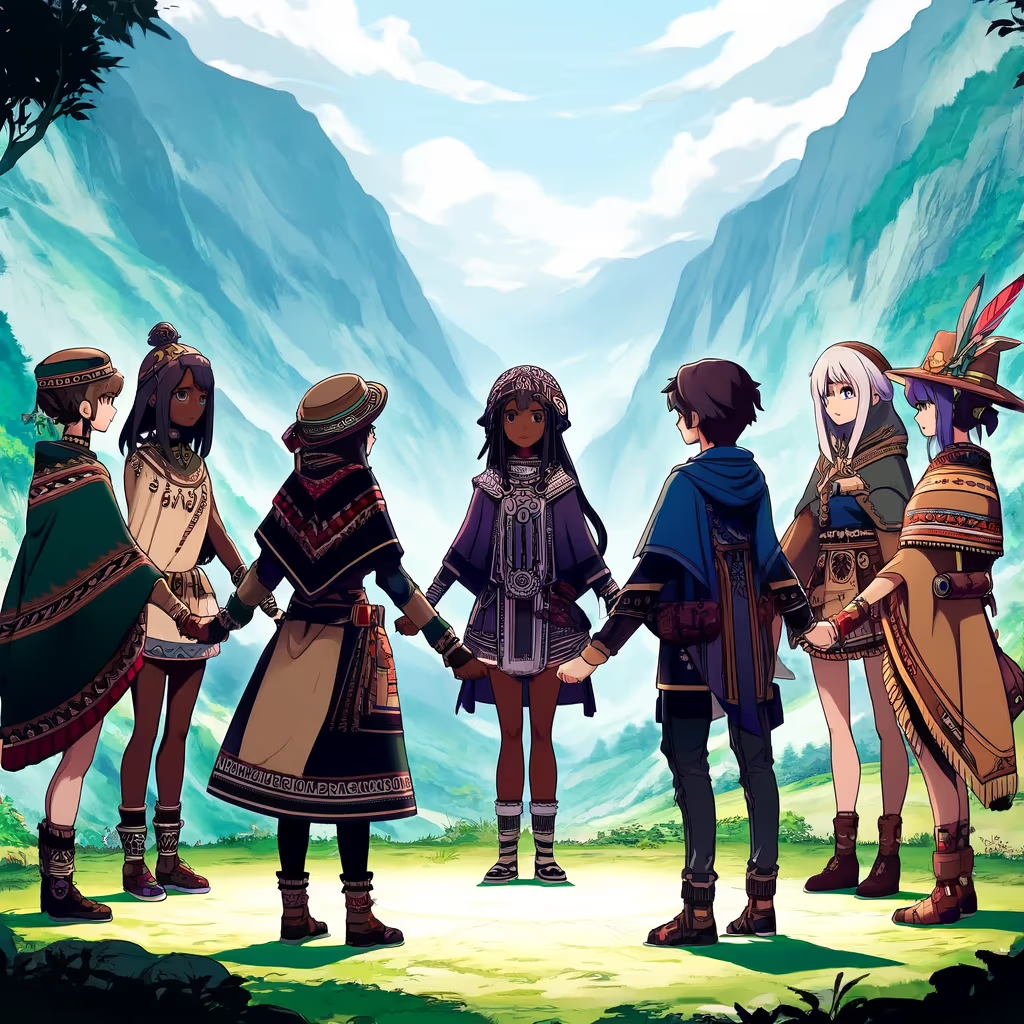
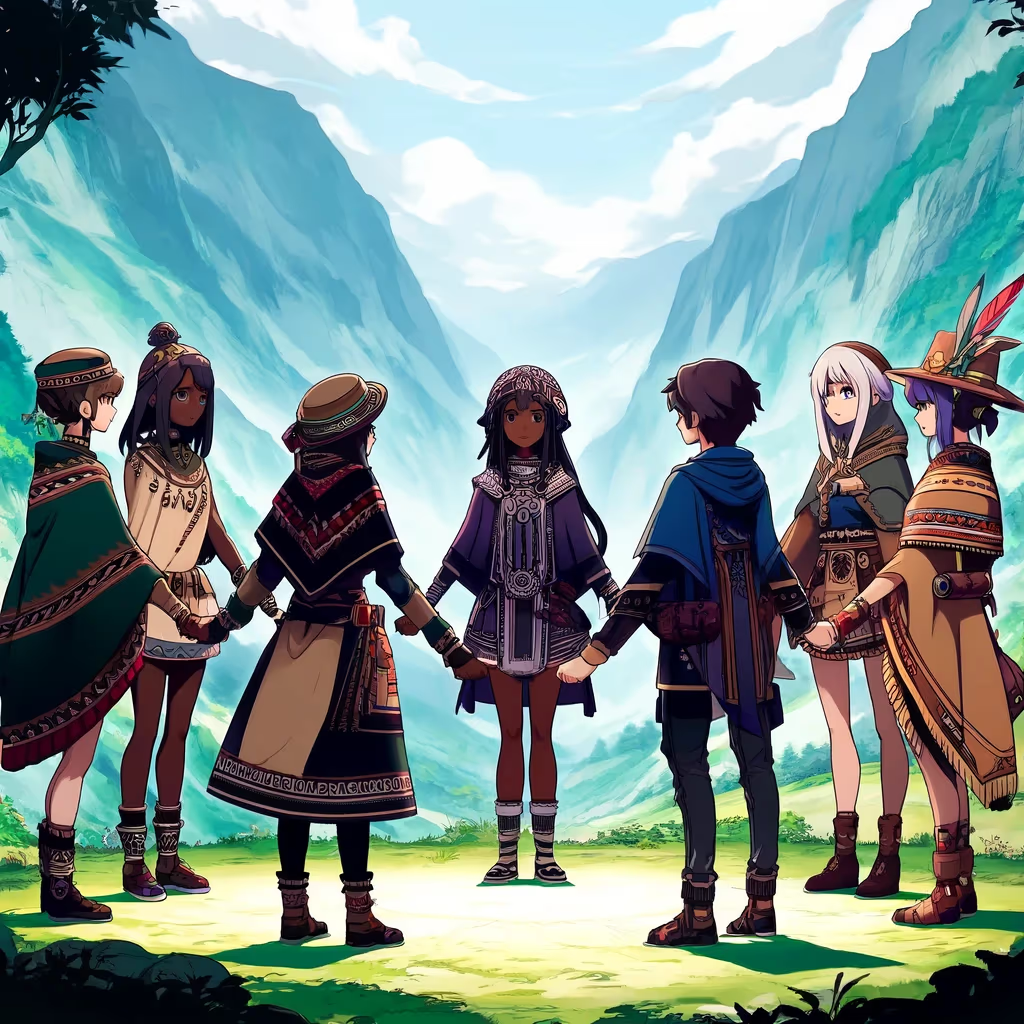
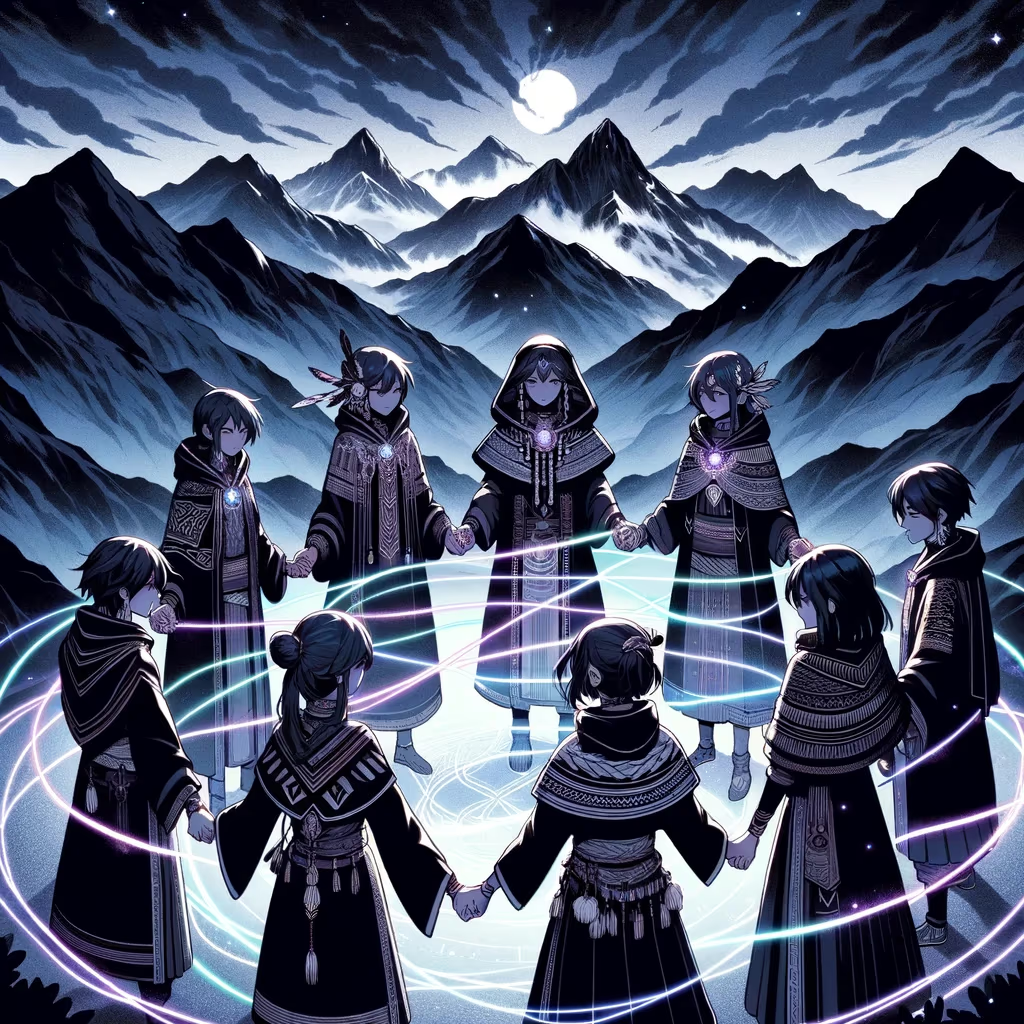
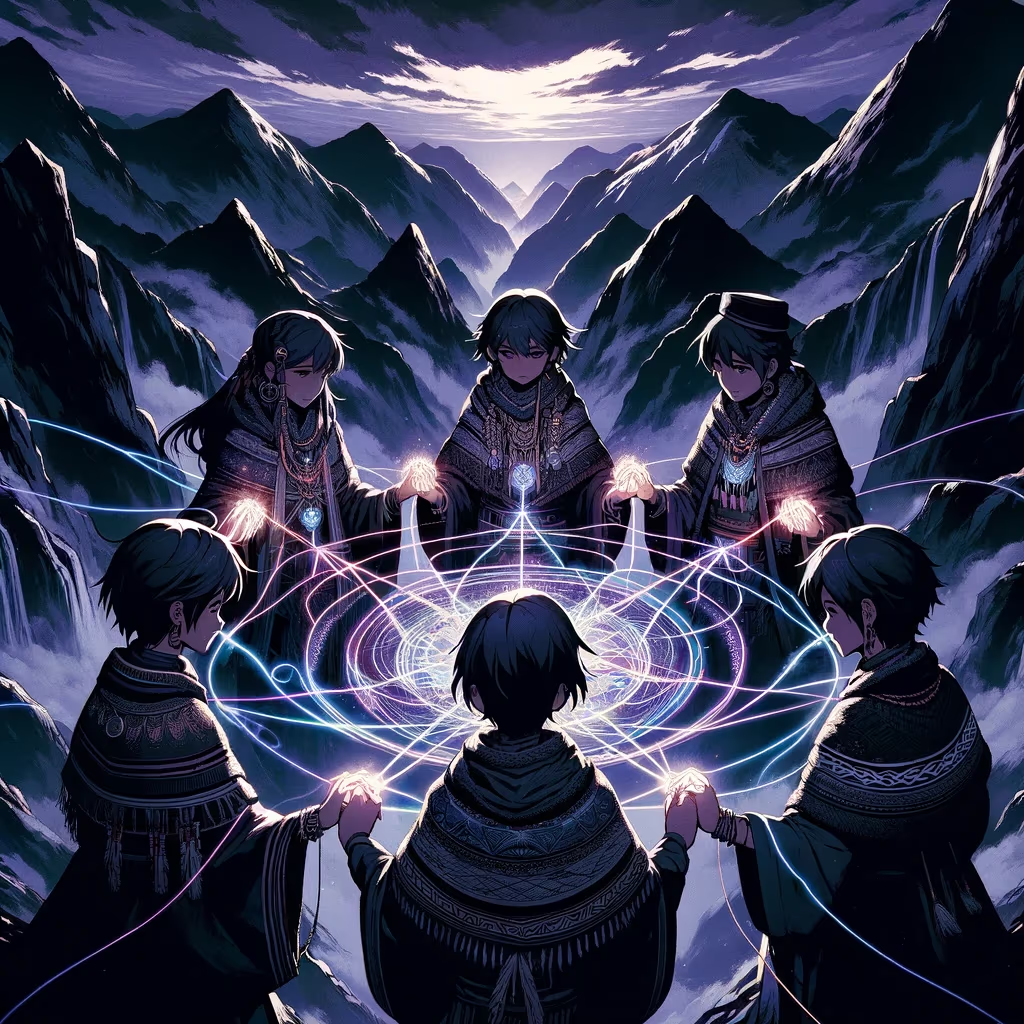
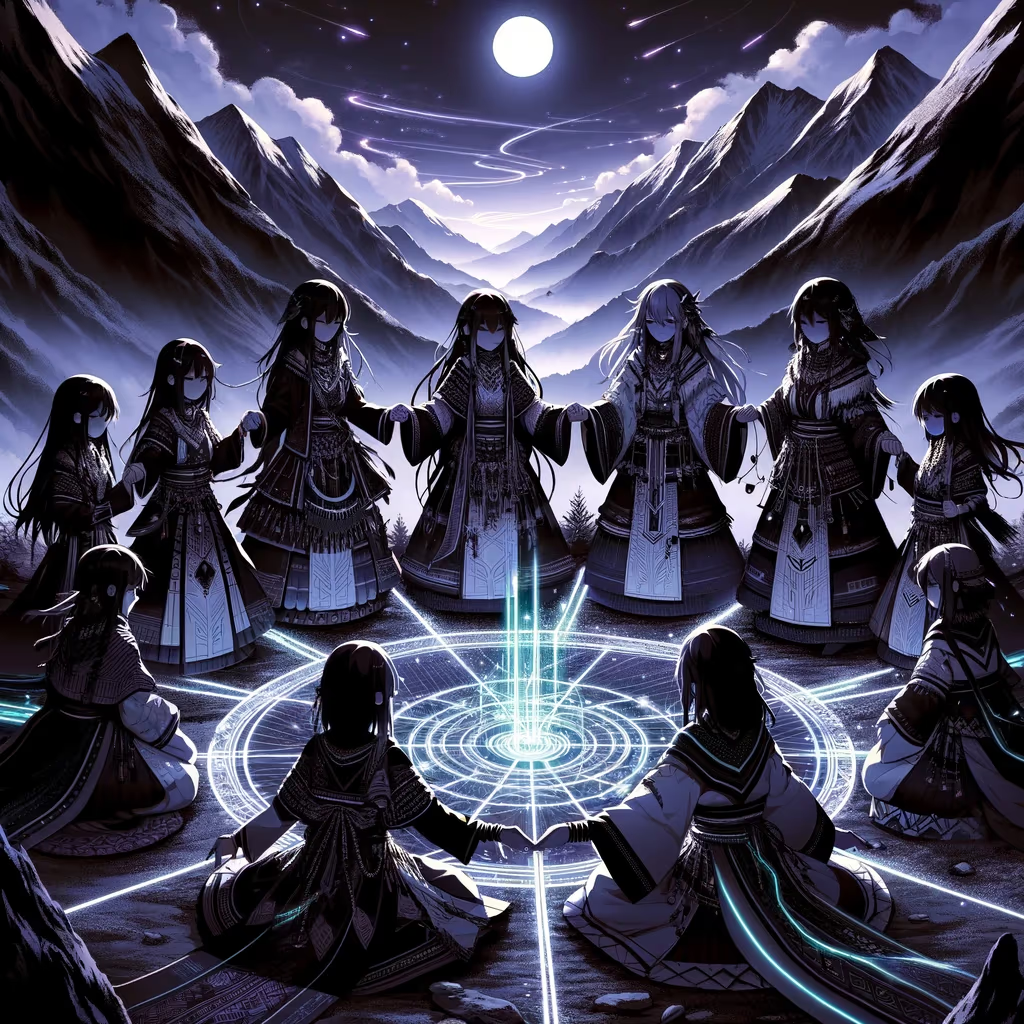
They stand shoulder to shoulder beneath green ridgelines and begin the Breath Weave. One inhale for the self, one exhale for the circle. In Pachakuna lore, this is how scattered hearts become one field of courage before any mission begins.
Ancient Peru Context: Shared-Breath Communion and Social Coherence
Ancient Peru Research
This image fits your meditation/connection line perfectly because Andean ceremonial life repeatedly organizes groups through synchronized intention. We should keep one precision caveat: there is no single surviving Inca handbook that codifies one exact breath-circle method in modern terms. But there is strong evidence of collective ritual systems where movement, procession, role discipline, and reciprocal obligation produce shared attention and shared purpose.
In highland ritual contexts like Qoyllurit'i, embodied coordination is central: dance nations, councils, ceremonial routes, and rule structures all operate as one social field. That makes your standing mountain circle historically plausible as an artistic concentration of broader Andean practice: people entering alignment together before action.
Ayni is the key interpretive bridge. In Andean political economy, reciprocity is lived structure, not abstraction. A communion ring in your visual language can be read as a reciprocal contract made visible by posture, eye contact, and proximity: each person is held by the group while also holding the group. This is exactly the social architecture that allows communities to remain resilient in harsh geographies.
Modern evidence supports the mechanism without flattening the sacred. Studies on synchrony, social touch, and coordinated dance show stronger social closeness, reduced threat signaling, and greater cooperative behavior when people regulate together. So this page can confidently hold both truths: mythically, the circle "charges" people; scientifically, it stabilizes nervous systems and builds trust.
Research Sources
Next Quest Prompt: Next quest: Pair this breath-weave communion with a bridge, road, or terrace scene to show how inner synchrony becomes public works.
Context and references
Use this page for cultural and geographic learning paths around the artwork.
Additional curated references for this piece will be expanded in the next content pass.