Story Mode
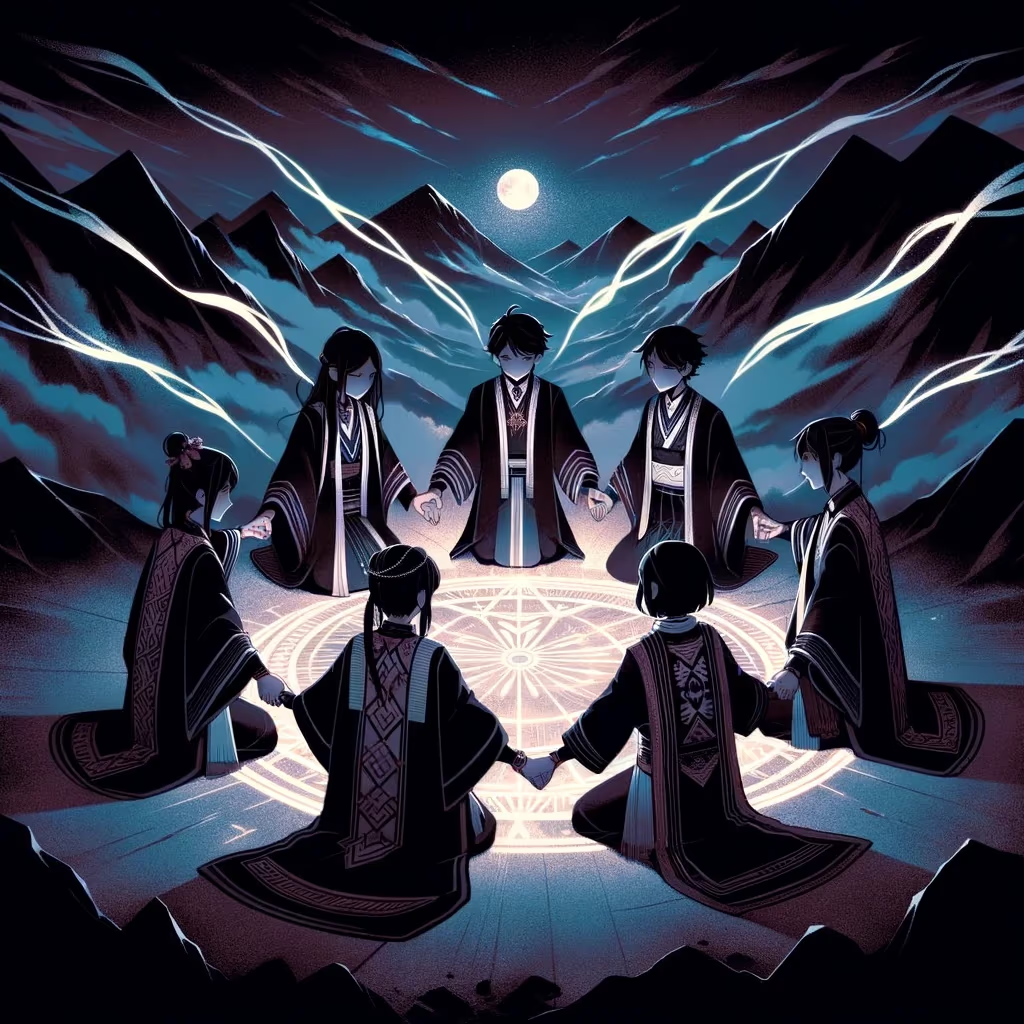
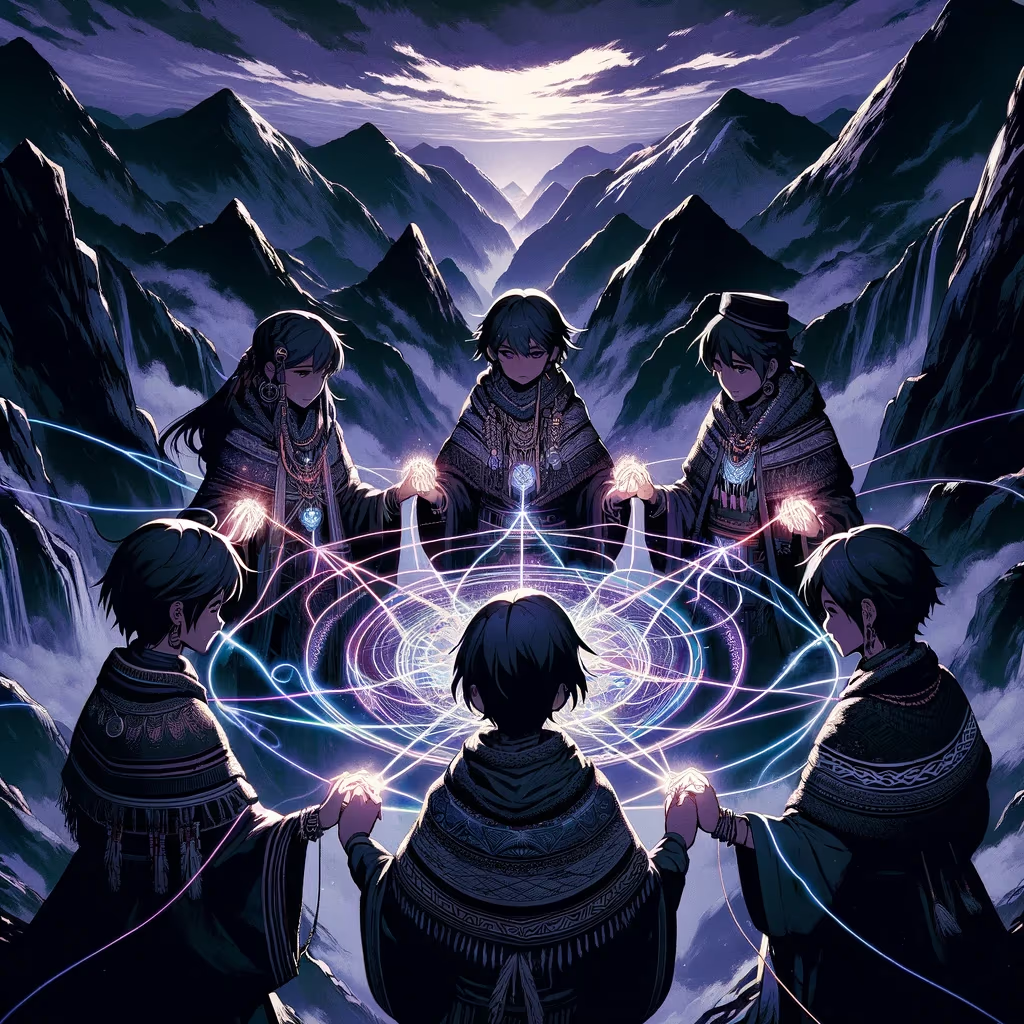
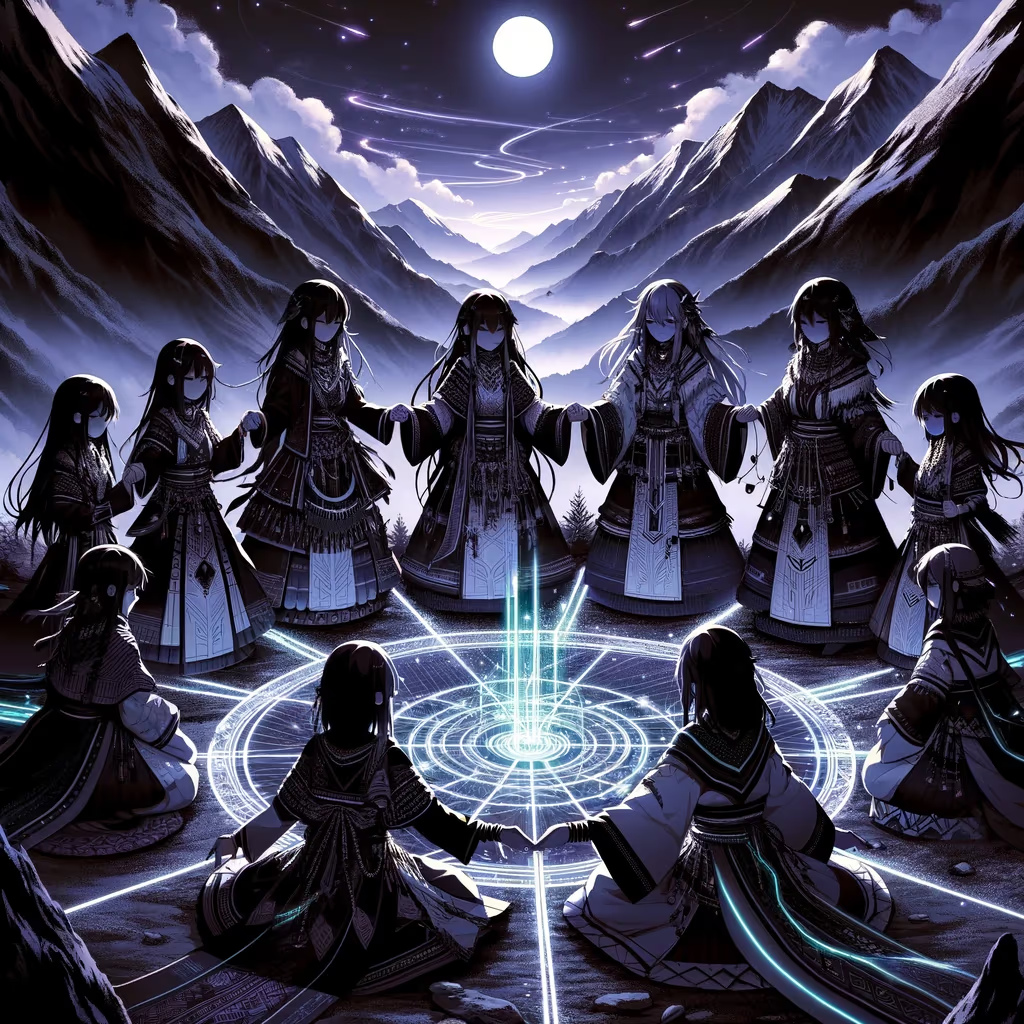
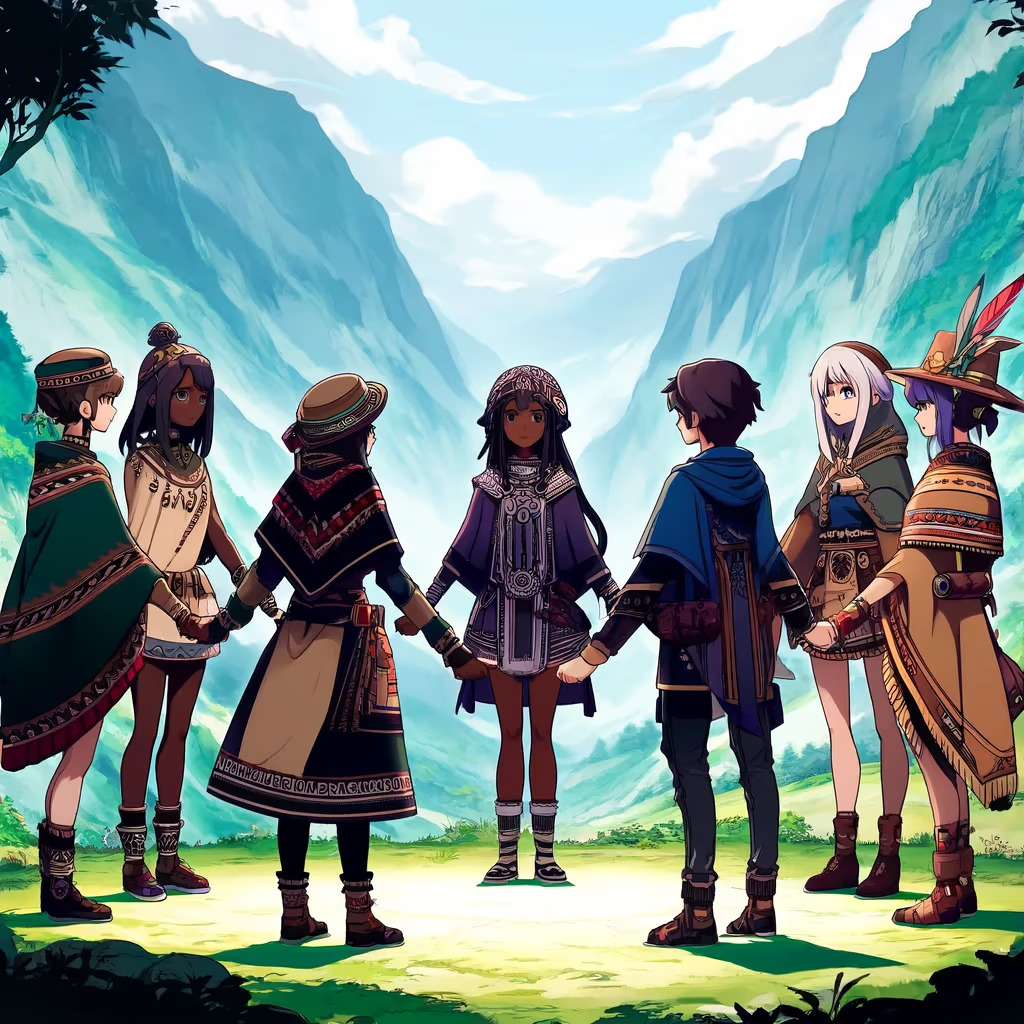
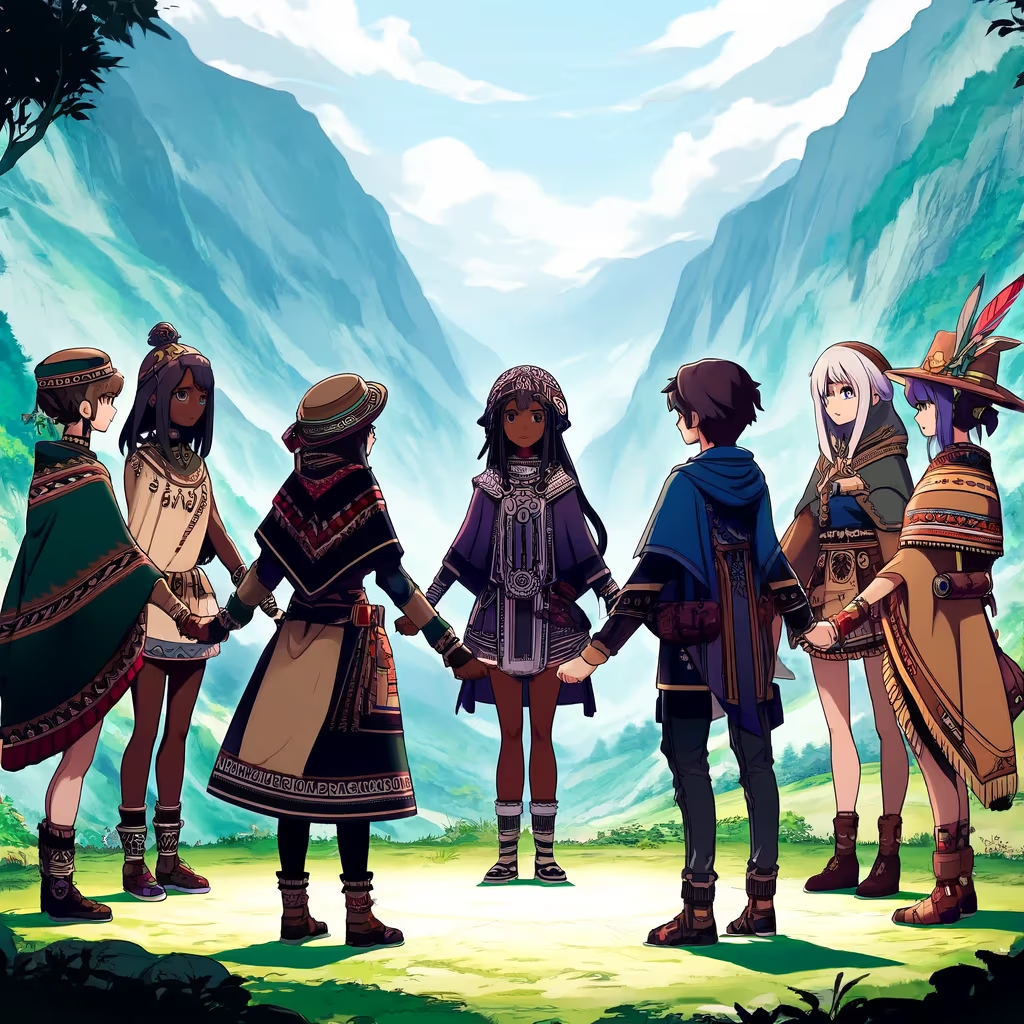
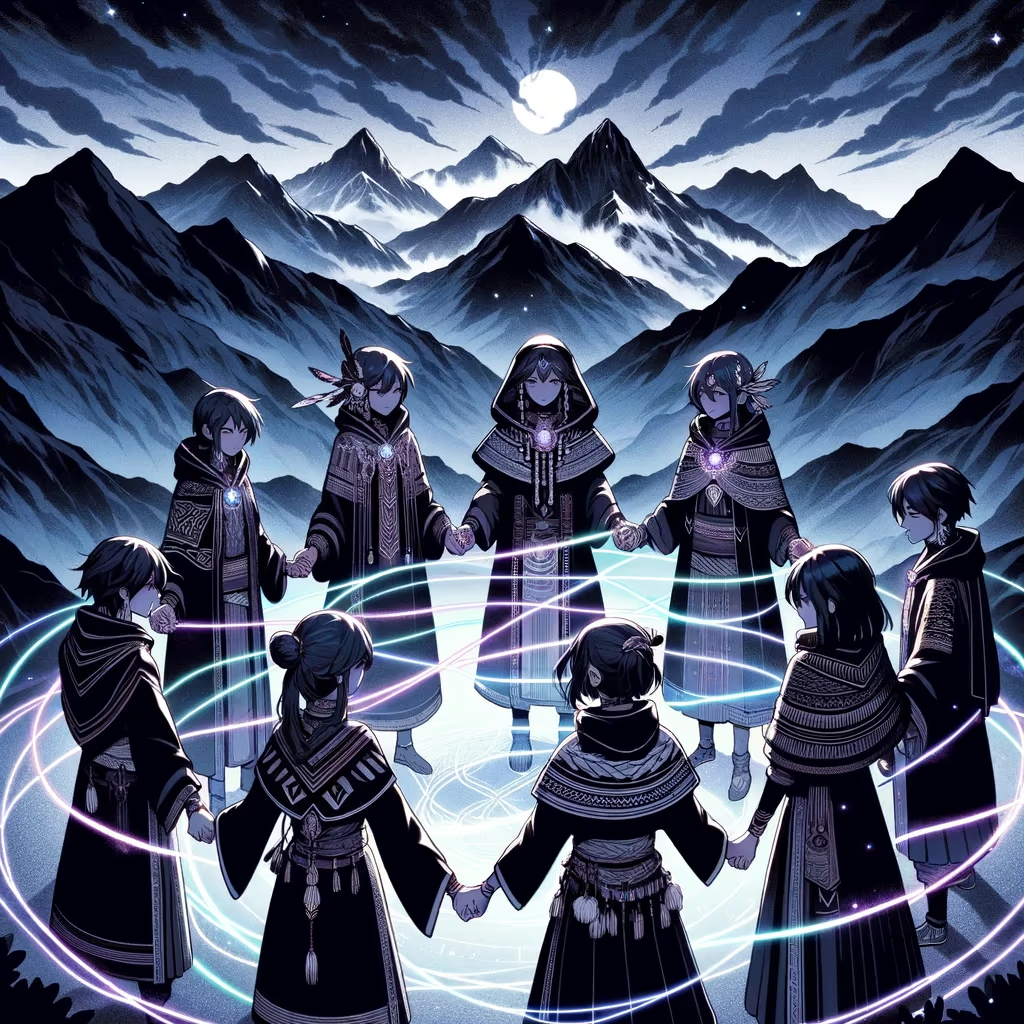
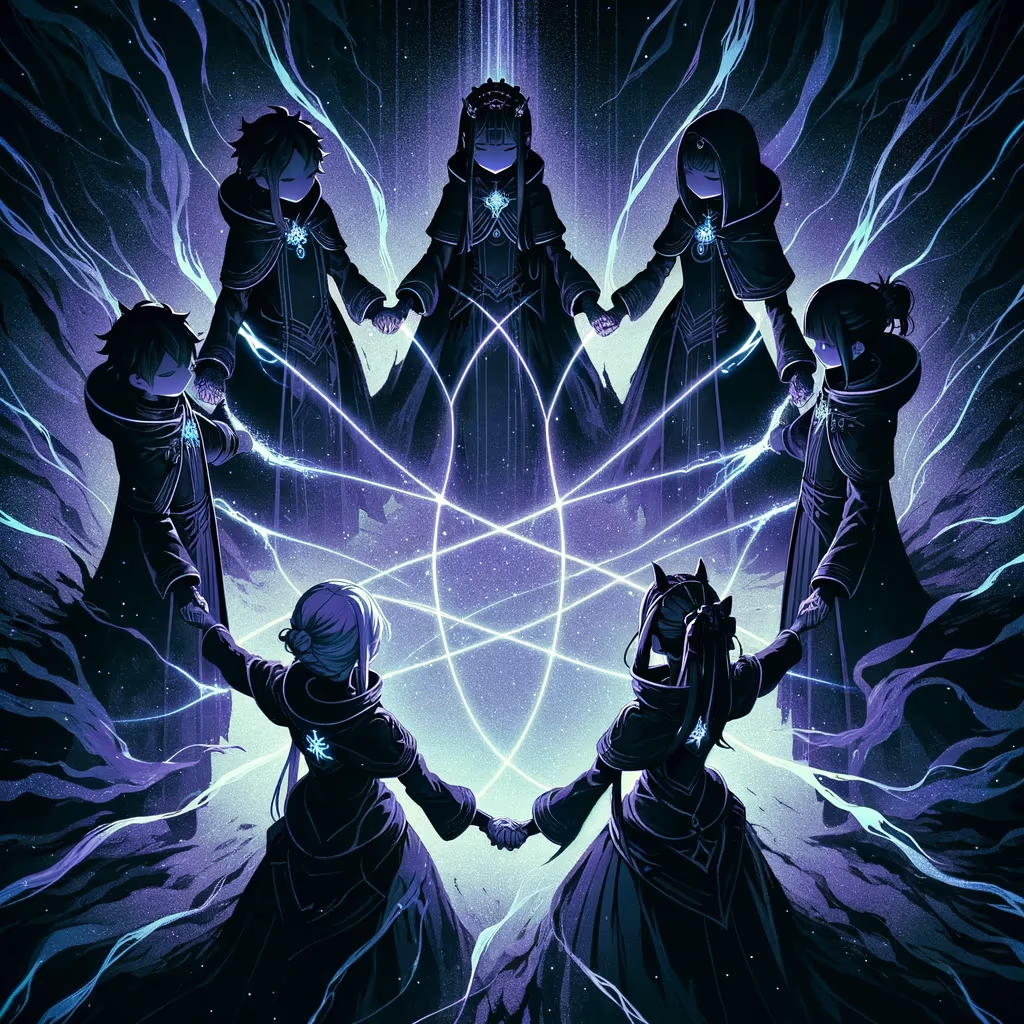
They stand hand in hand and make a silent vow: no one falls outside the circle. As the mountains witness, each body becomes a pillar, and the ring becomes a living fortress of compassion and discipline.
Ancient Peru Context: Standing Communion as Civic Covenant
Ancient Peru Research
This frame reads like a social oath, and that fits Andean civilizational logic. Ancient Peruvian societies repeatedly built durability through collective obligation: reciprocal labor, ritual participation, and distributed responsibility rather than isolated heroic action.
In ritual heritage contexts, community cohesion is produced through choreography plus rule. Qoyllurit'i documentation highlights councils, role-keepers, code systems, and dance nations acting within a common structure. Your standing circle can therefore be interpreted as governance-in-miniature: bodies enacting agreement.
Ayni remains the best key for this page. Reciprocity is an ongoing contract of mutual support. Hand-to-hand imagery communicates that contract immediately: every participant is both receiver and guarantor. This makes the aesthetic emotionally strong and historically anchored at the same time.
Modern social science reinforces why this symbol works so well. Coordinated action and interpersonal touch can increase trust signals and reduce stress responses, helping groups sustain cooperation under pressure. Seen this way, your image is not only mystical; it is a realistic diagram of how communities maintain collective power.
Research Sources
Next Quest Prompt: Next quest: Pair this standing covenant circle with a build/engineering image to show how social vows become material worlds.
Context and references
Use this page for cultural and geographic learning paths around the artwork.
Additional curated references for this piece will be expanded in the next content pass.