Story Mode
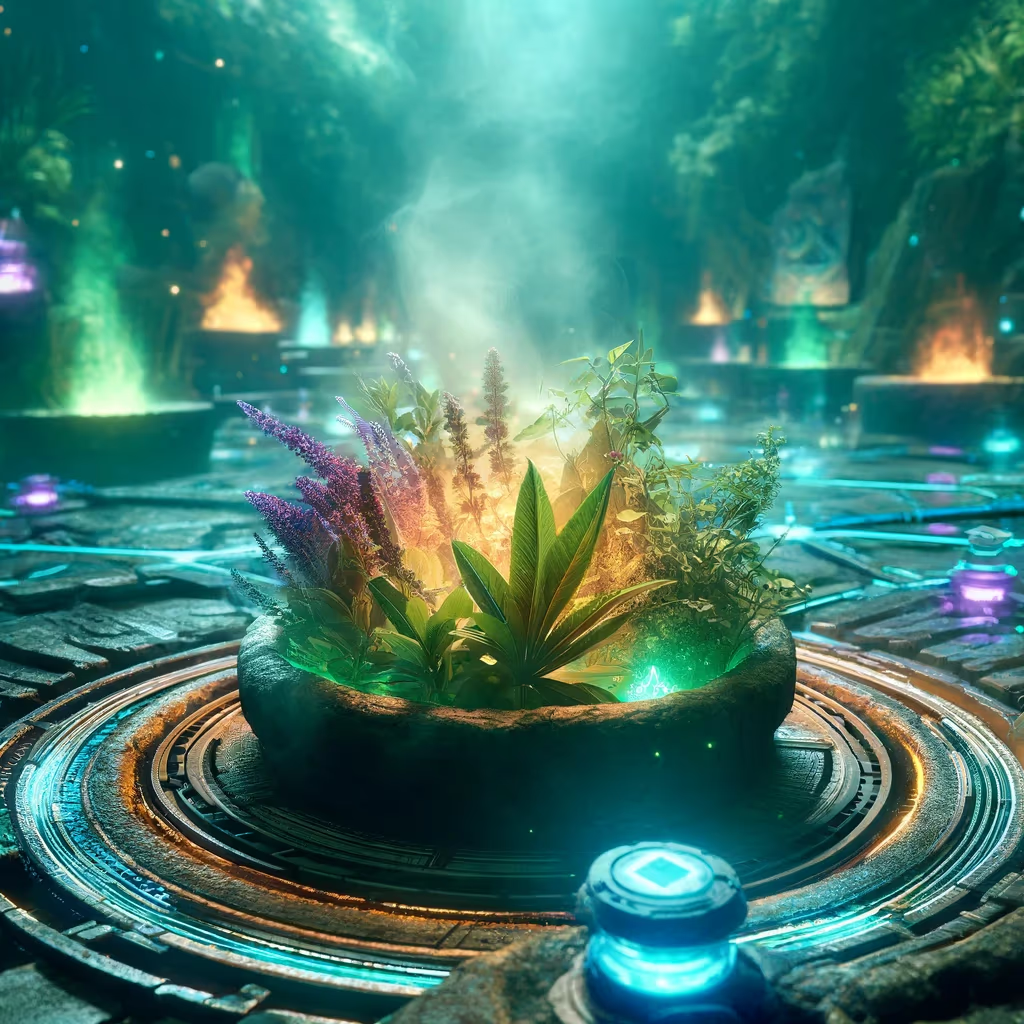
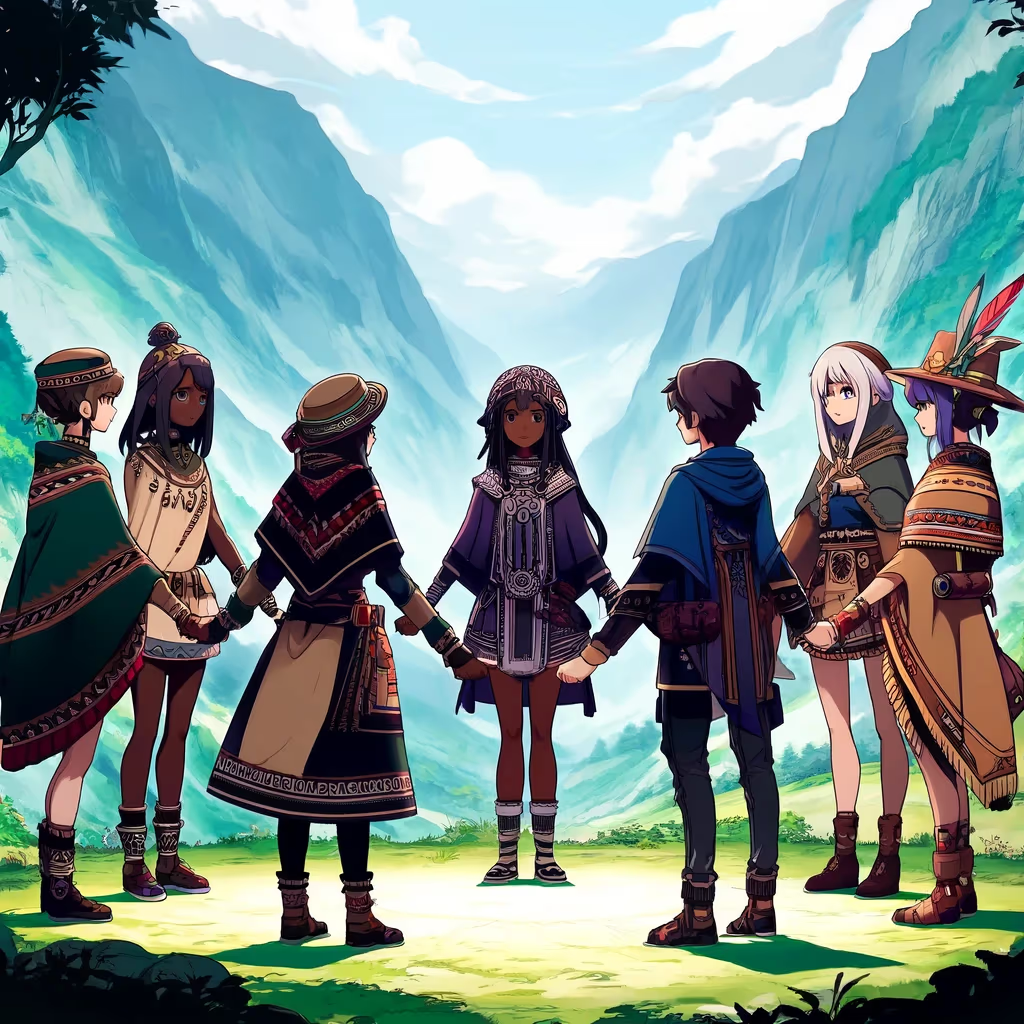
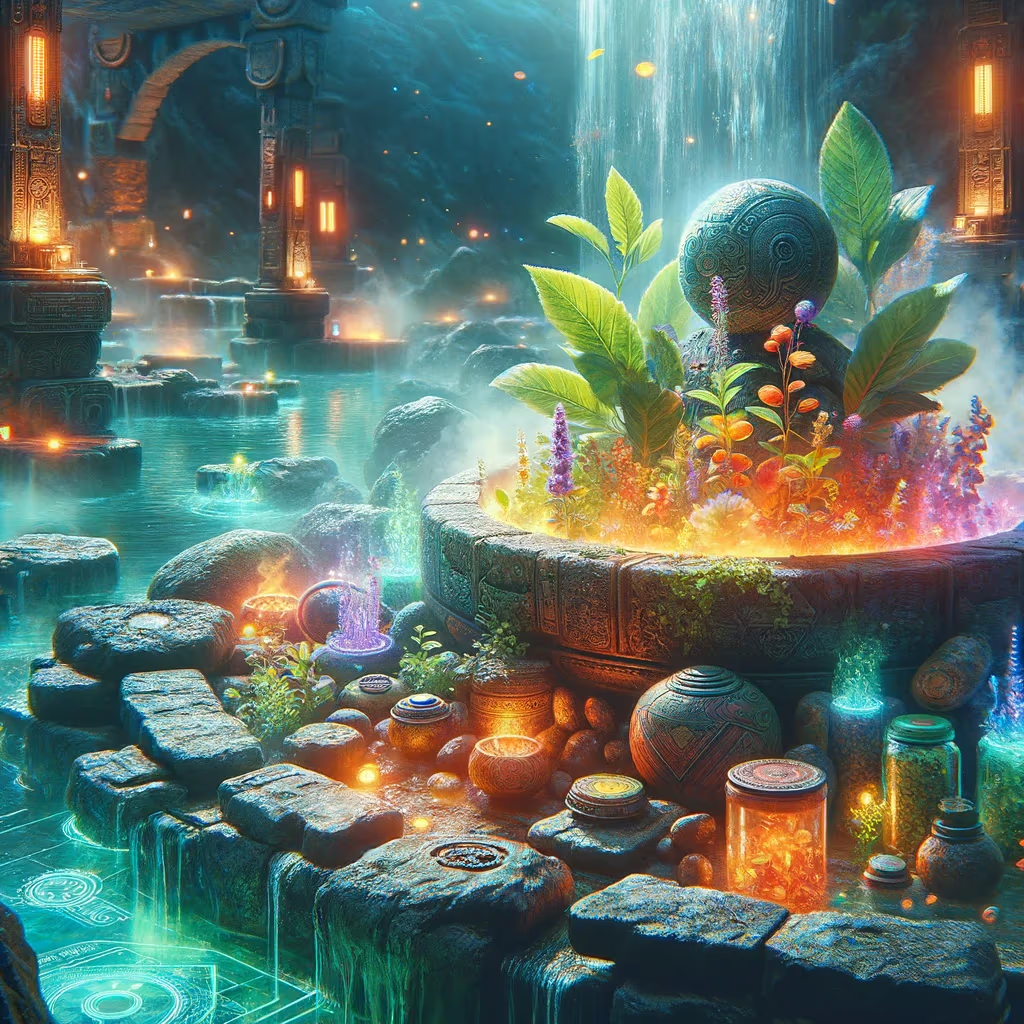
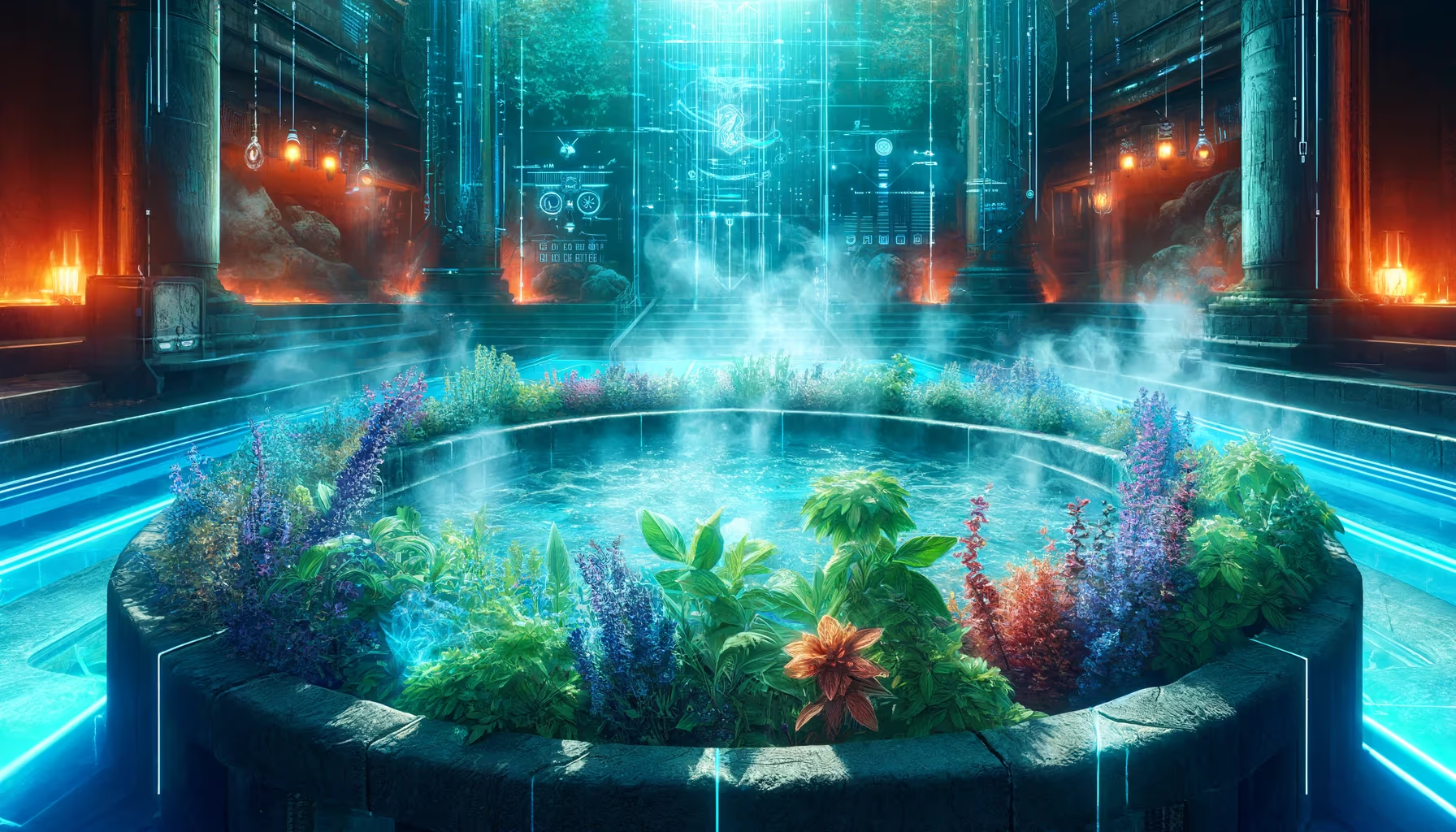
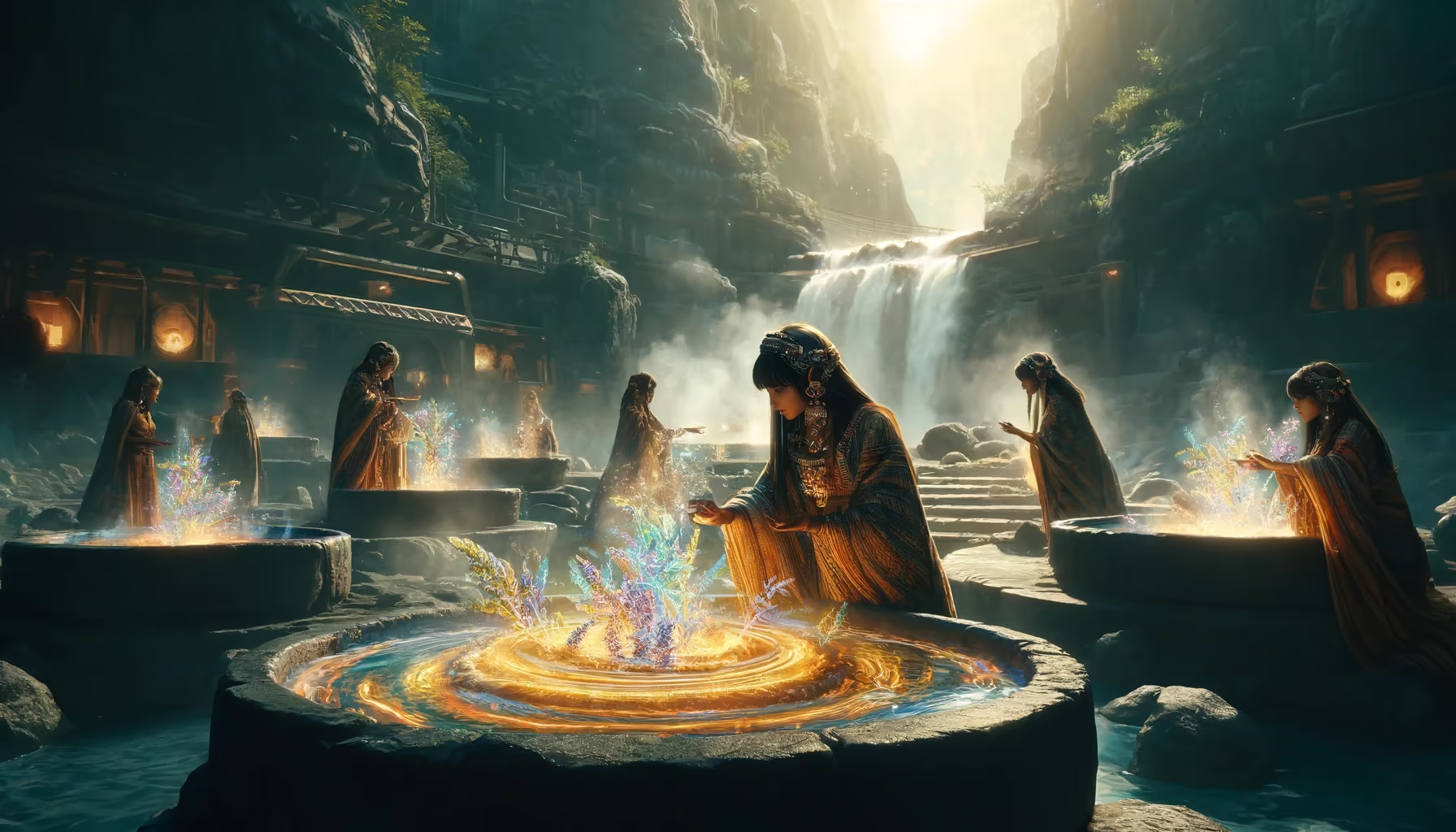
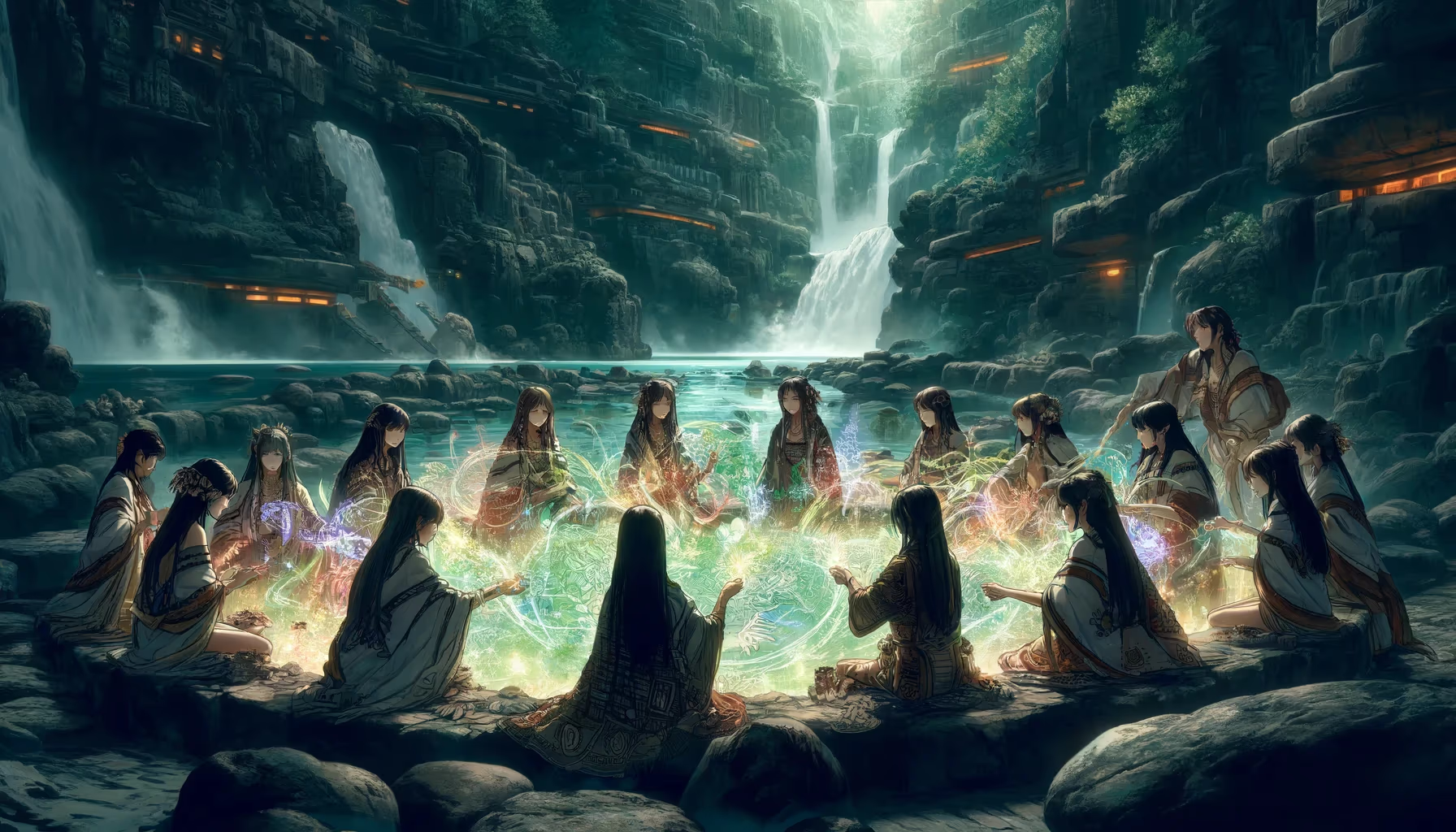
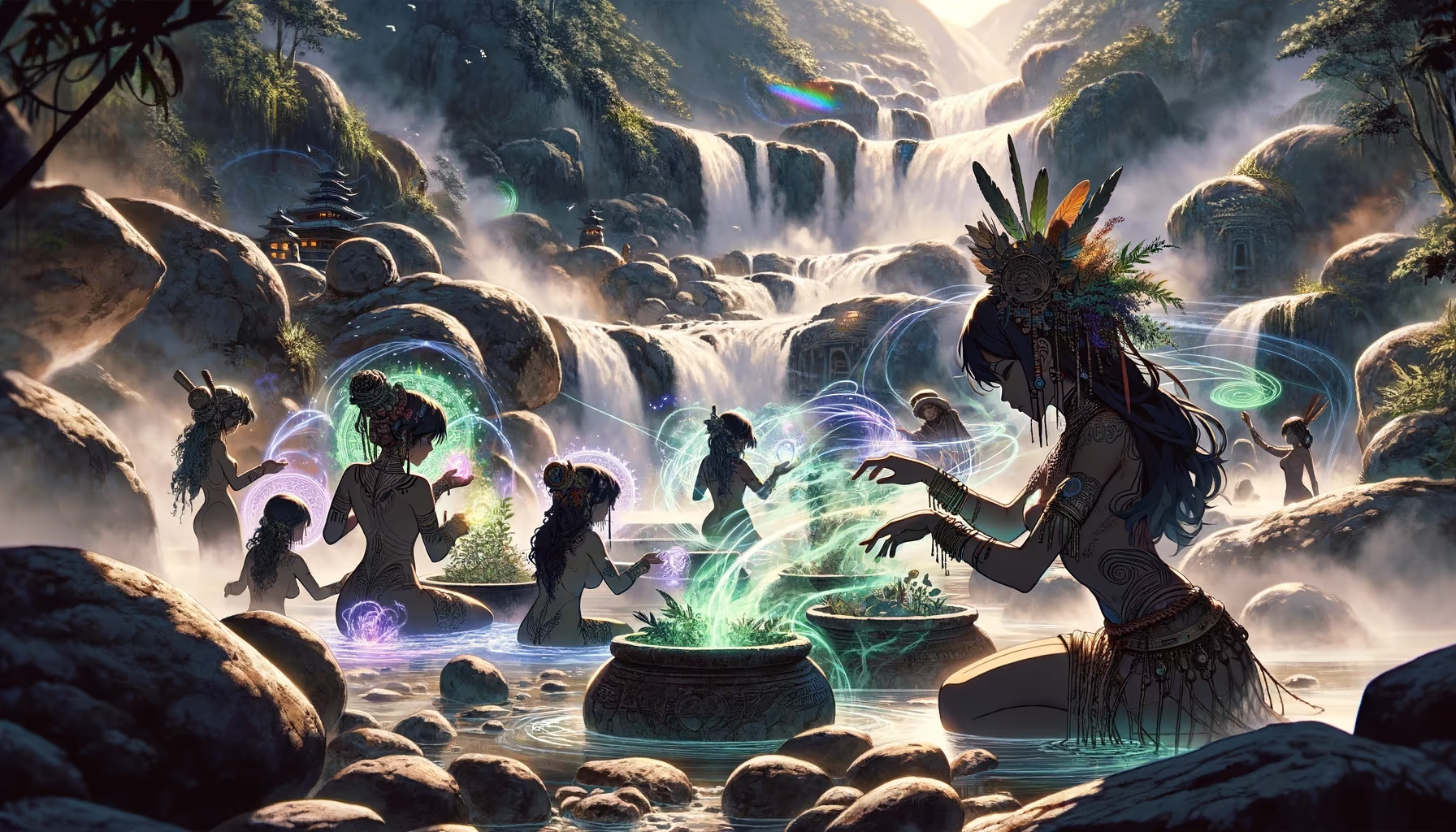
At the edge of the steaming pool, the healers whisper to water before touching a single leaf. In Pachakuna lore, the spring is the first pharmacy: heat opens the body, plants guide the remedy, and prayer aligns both with mountain intention.
Ancient Peru Context: Sacred Water + Plant Medicine as One Healing System
Ancient Peru Research
This hot-spring frame is historically powerful because Andean healing did not separate water from medicine. Archaeology at Machu Picchu and nearby ritual complexes shows sophisticated hydraulic architecture in sacred zones, including ritual bathing contexts and carefully engineered water flow. In short: in ancient Peru, water was not only utility, it was ceremonial technology.
Plant medicine then enters as the second half of the same system. The Northern Peru ethnobotanical record documents 510 medicinal species with 938 vernacular names and detailed protocols for harvest season, plant part, preparation, and dosage style. This is not random herbalism; it is a dense knowledge structure transmitted through practice.
Cusco market data reinforces how alive this remains in Quechua cultural space: a major survey found 152 medicinal species sold across key city markets, with mostly native Andean origin, frequent infusion-based preparation, and strong continuity of ancestral use categories. For your page, this means the spring scene can present medicine as community infrastructure, not niche ritual.
Modern evidence supports part of the thermal intuition while still requiring scientific caution: systematic reviews suggest mineral thermal bathing may help selected pain and functional outcomes (for example in osteoarthritis), but claims must remain condition-specific and evidence-graded. The strongest framing is integrative: sacred water, careful plant practice, and responsible modern validation.
Research Sources
Next Quest Prompt: Next quest: Pair this hot-spring medicine scene with a market or healer-workbench image to show how sacred water and plant preparation function as one protocol.
Context and references
Use this page for cultural and geographic learning paths around the artwork.
Additional curated references for this piece will be expanded in the next content pass.