Story Mode
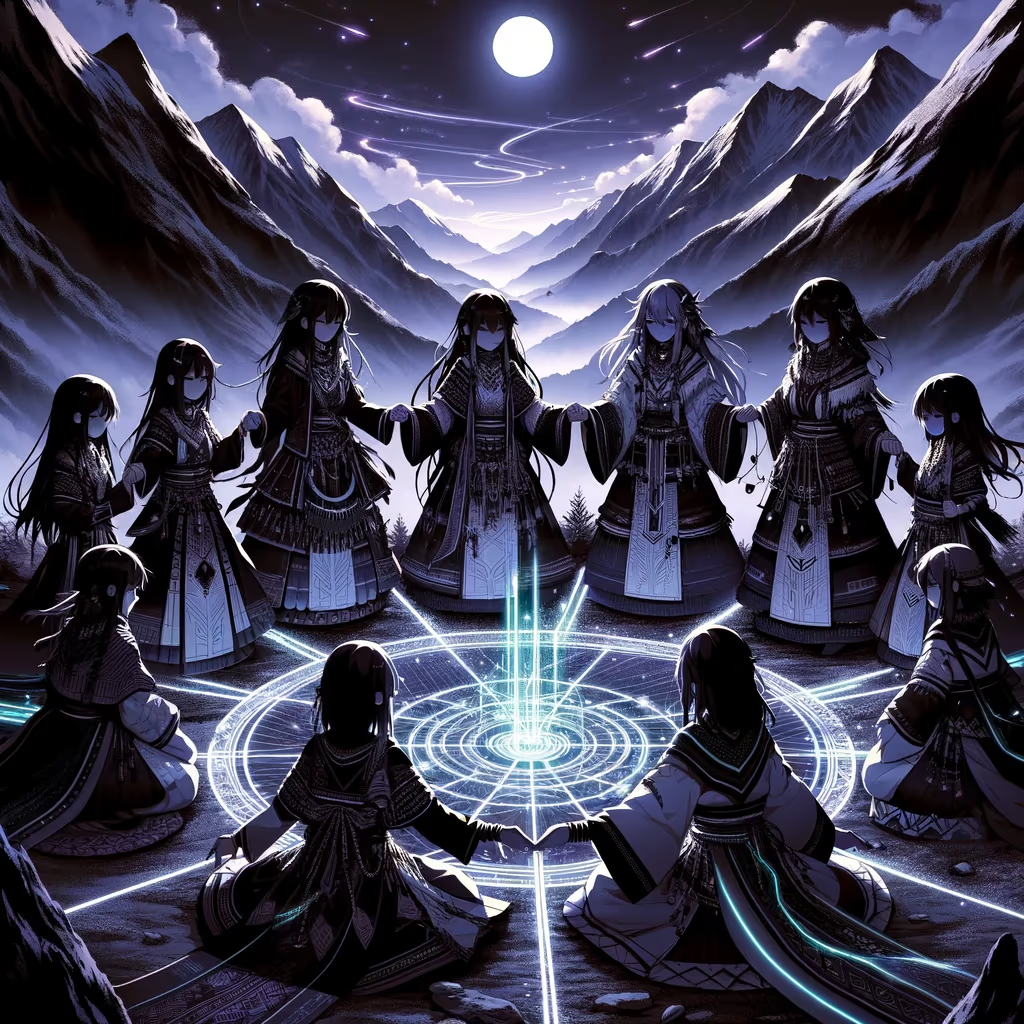
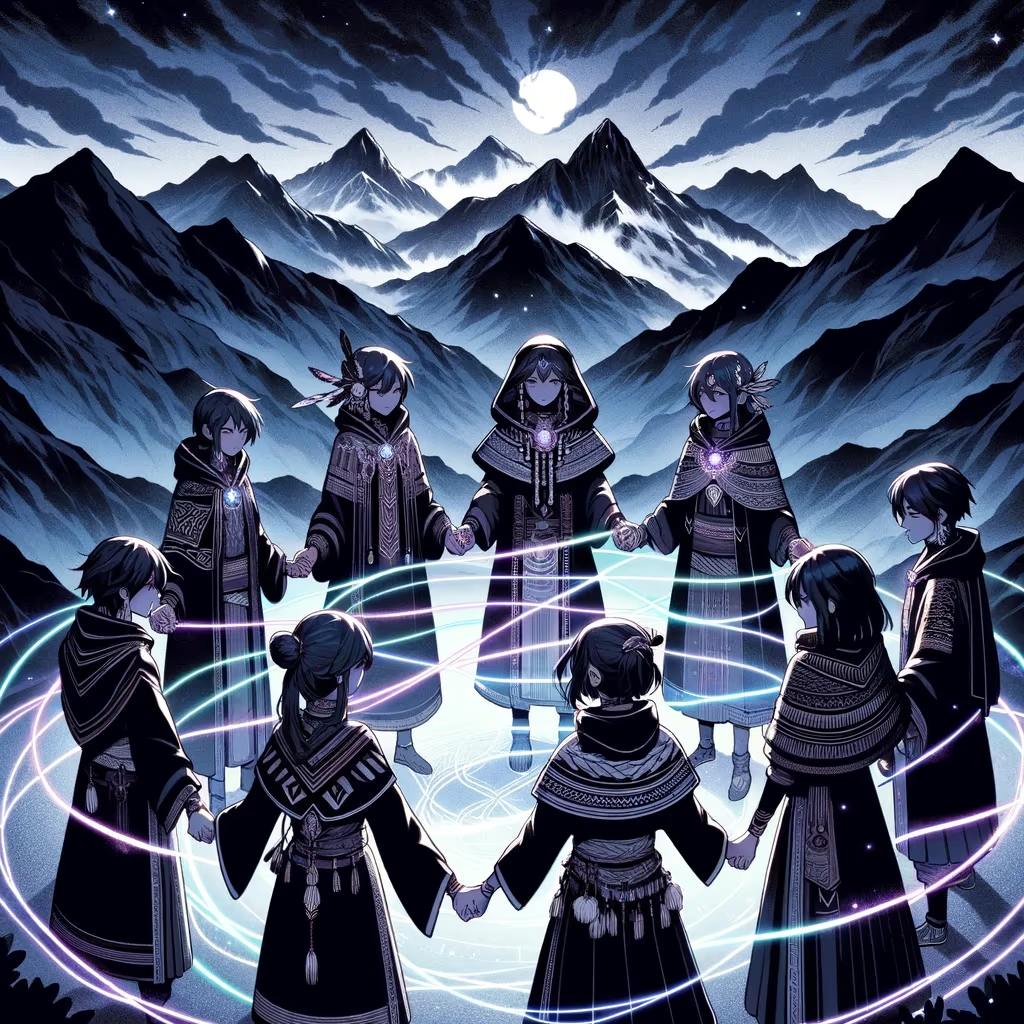
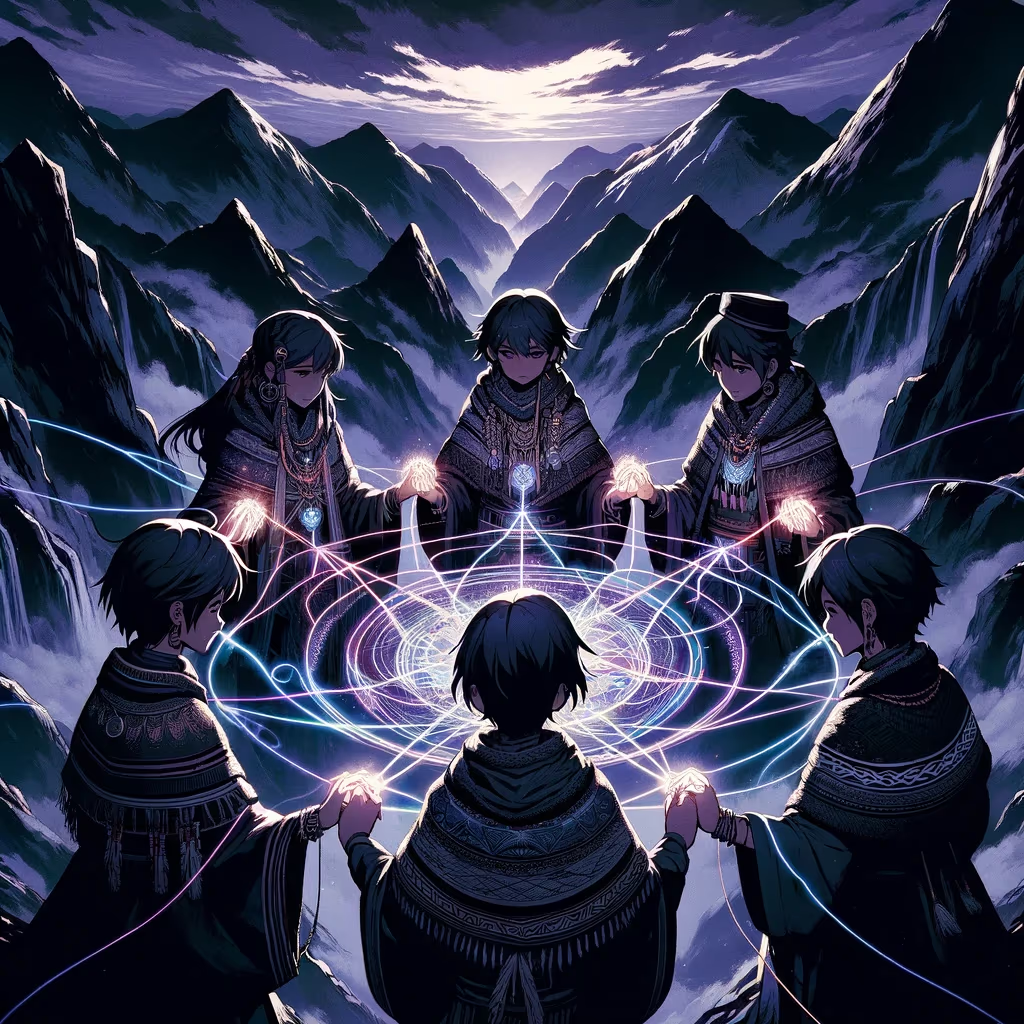
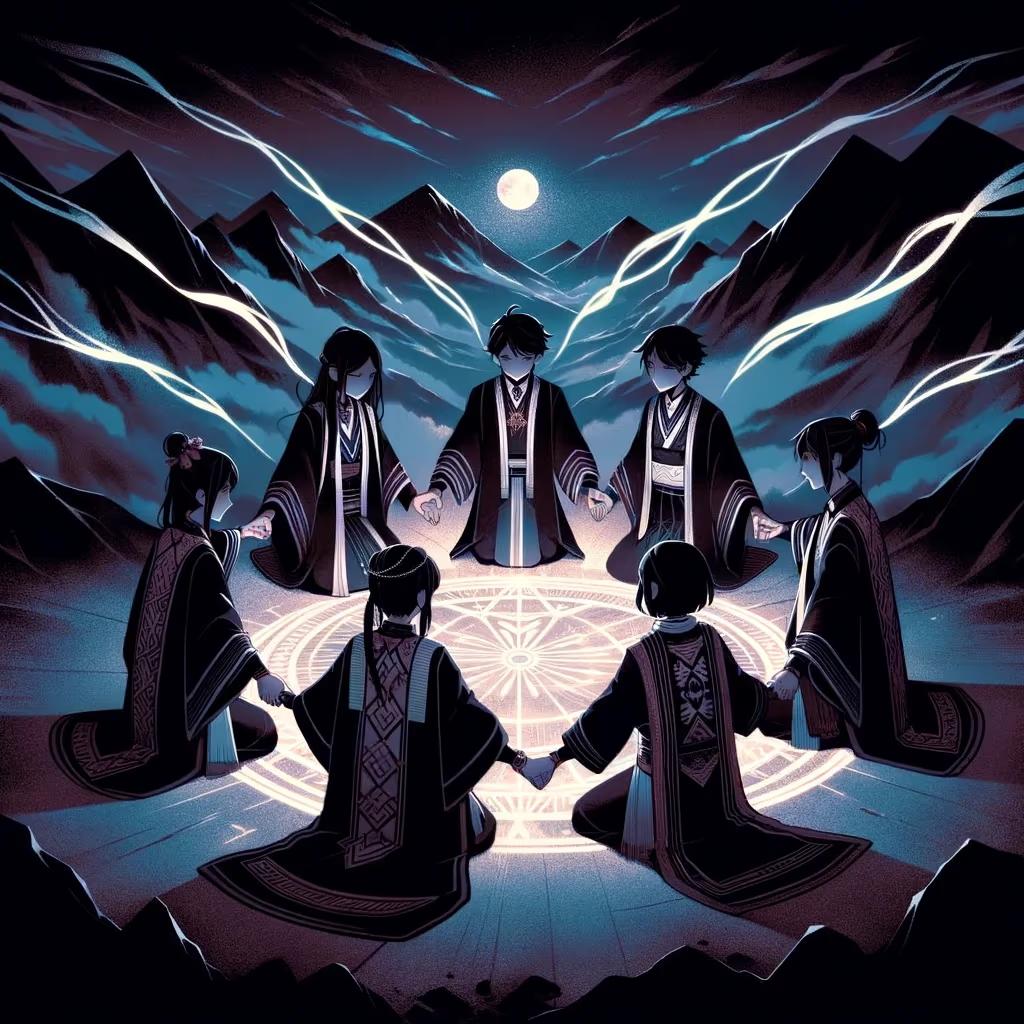
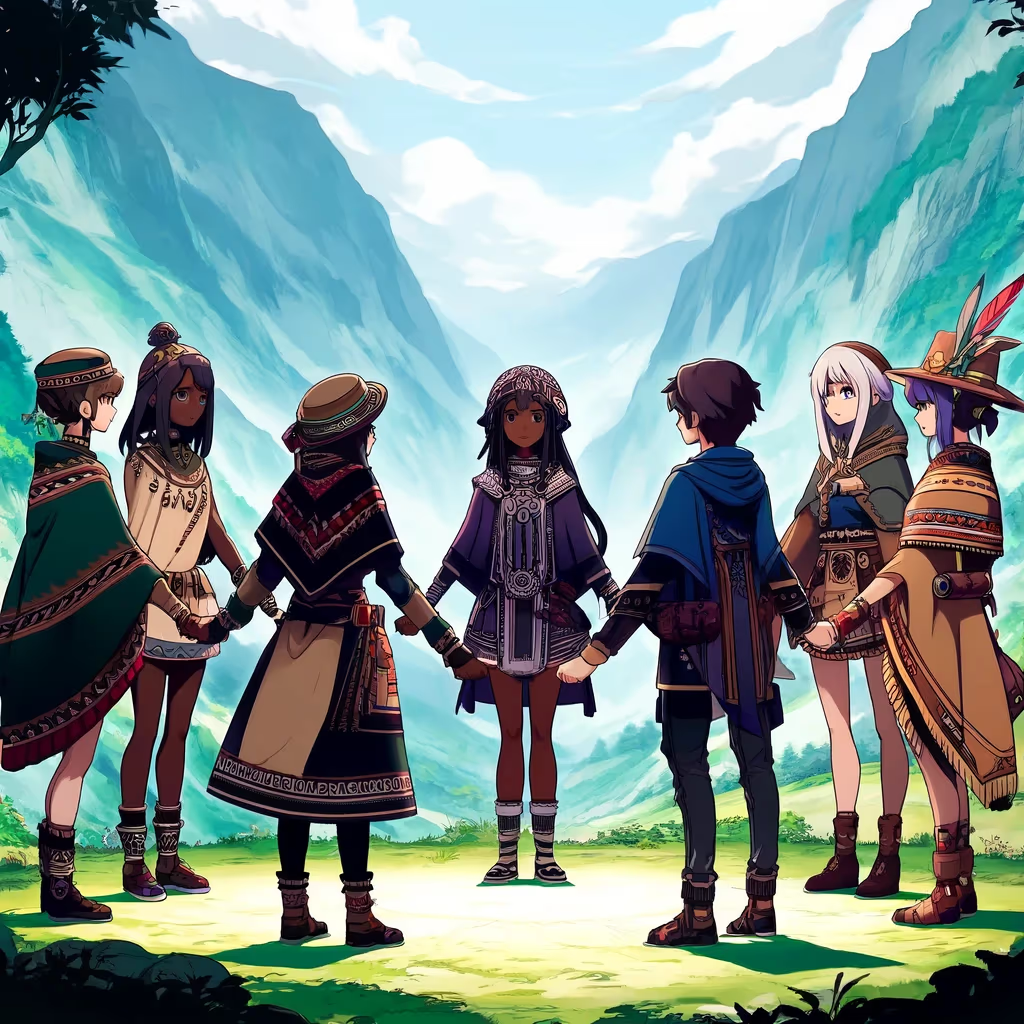
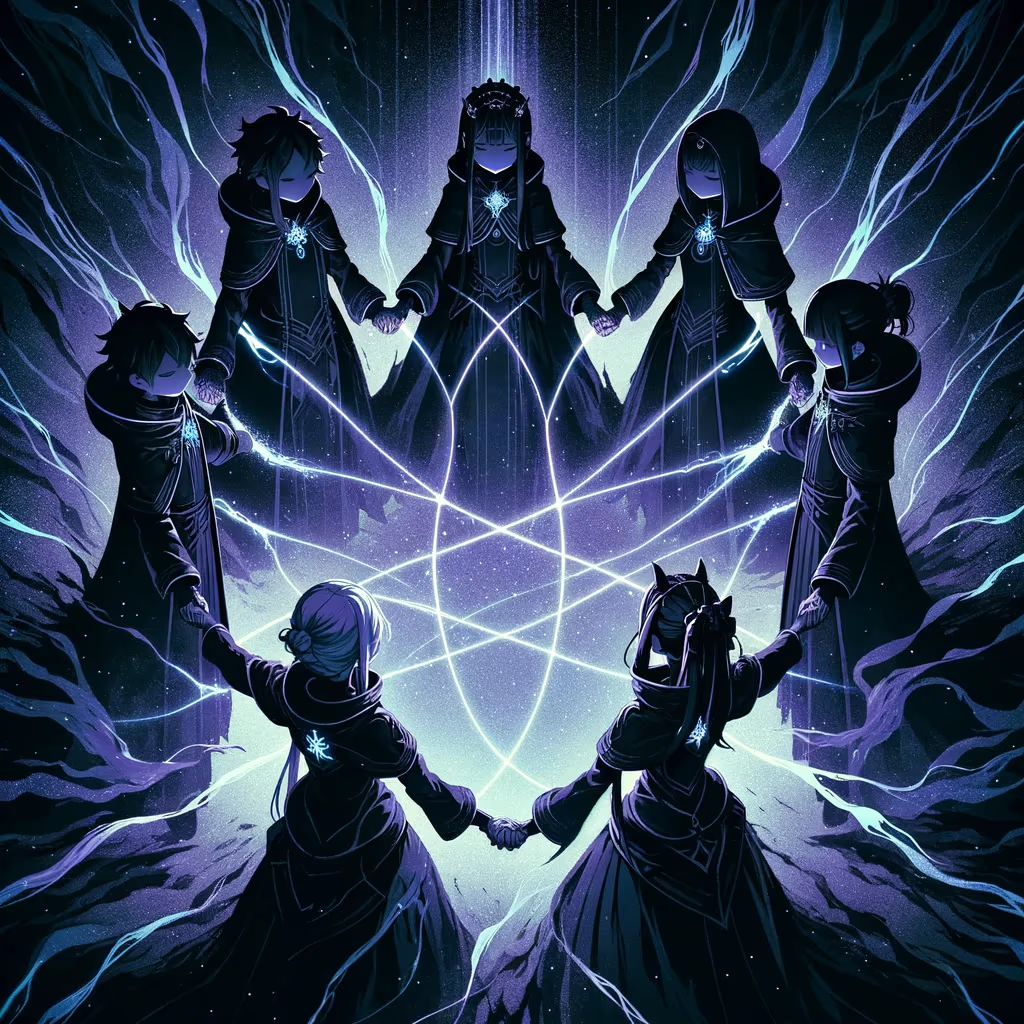
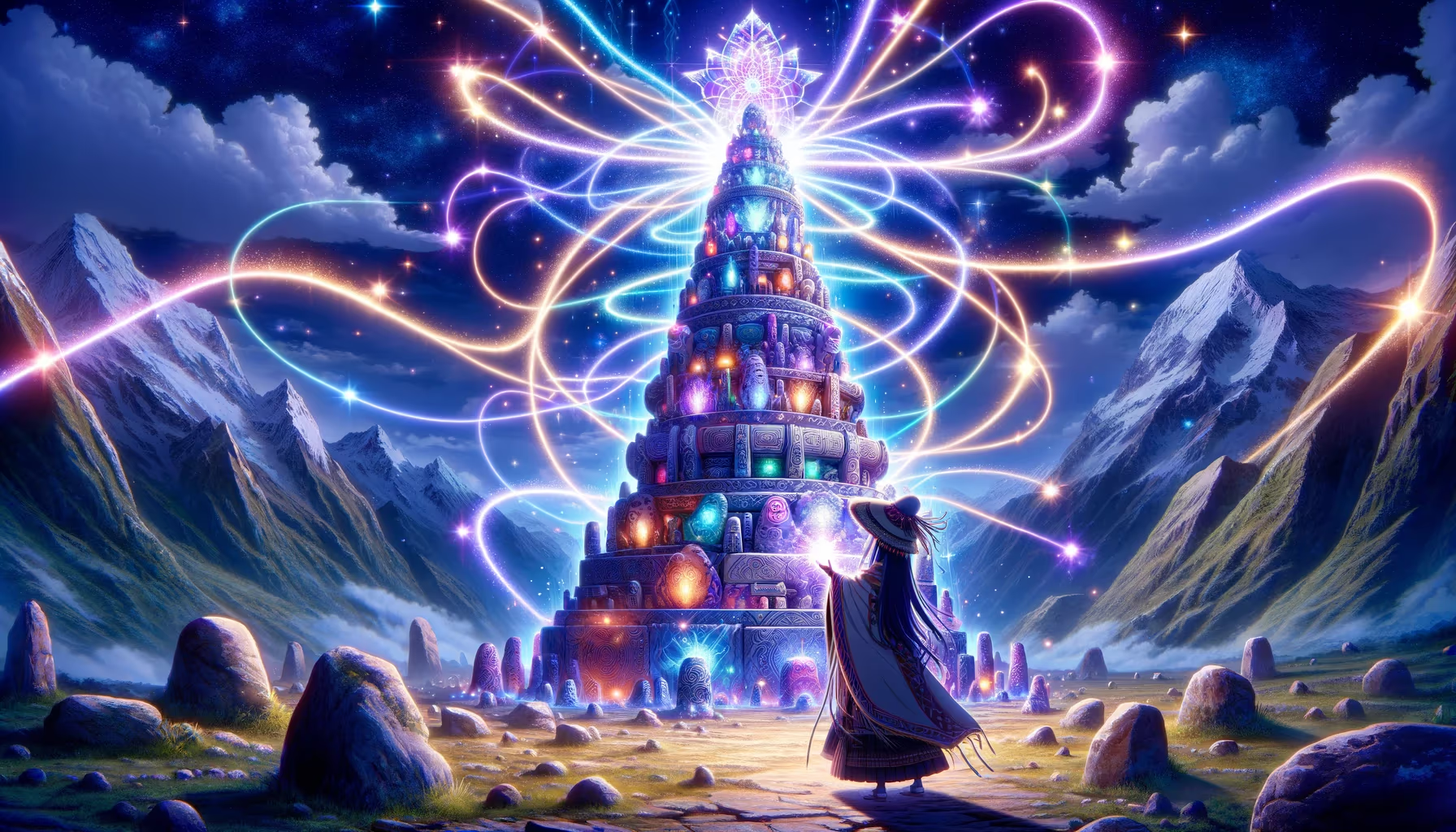
In the night circle, they hold hands and descend together through fear. Each heartbeat names a shadow, each breath returns light. In Pachakuna myth, this is the Ukhu Pacha crossing: nobody heals alone, and nobody returns alone.
Ancient Peru Context: Dark Ritual Aesthetics and Collective Emotional Regulation
Ancient Peru Research
The darker mood in this image is historically useful, not off-theme. Andean ritual systems are not only triumphal; they also process danger, grief, and uncertainty through communal forms. Pilgrimage, night vigil, and disciplined choreography often hold emotional extremes inside a shared container.
In heritage records like Qoyllurit'i, collective order is explicit: designated roles, behavior rules, food sharing, and dance nations functioning together. This supports a key reading for your page: "communion" is not vague spirituality but organized social technology for moving through difficult states without fragmenting the community.
For hand-holding specifically, direct pre-Hispanic visual proof is uneven, so we should avoid rigid claims. But linking hands remains a strong symbolic and embodied shorthand for reciprocal interdependence, fully consistent with ayni logic and with broader Andean collectivist organization.
Contemporary evidence adds explanatory depth. Synchrony research shows that coordinated movement can raise bonding markers, and social touch research shows that supportive contact can reduce perceived threat. Framed together, your dark communion scene becomes a realistic model of ancestral resilience practice: shared regulation under stress.
Research Sources
Next Quest Prompt: Next quest: Pair this night-communion frame with a sunrise or river-cleanse image to show the full arc from descent to renewal.
Context and references
Use this page for cultural and geographic learning paths around the artwork.
Additional curated references for this piece will be expanded in the next content pass.