Story Mode
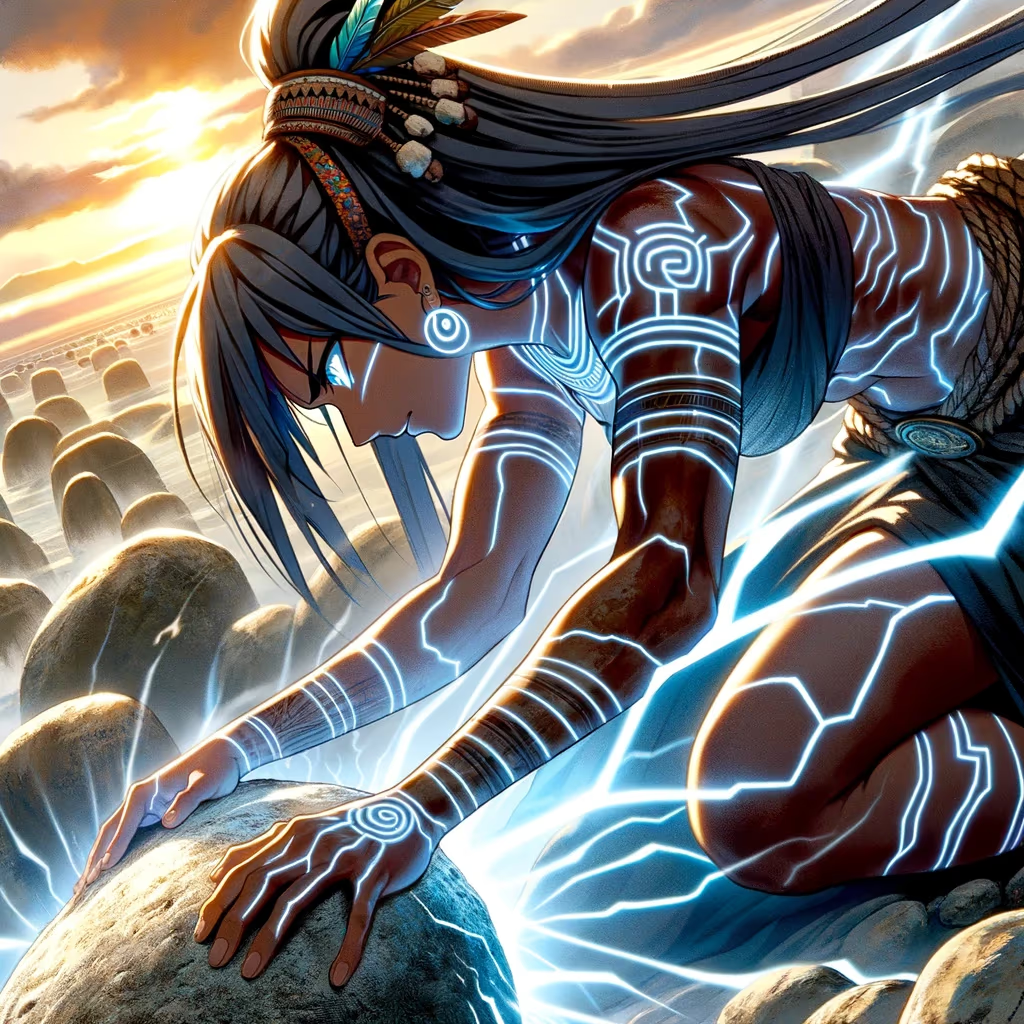
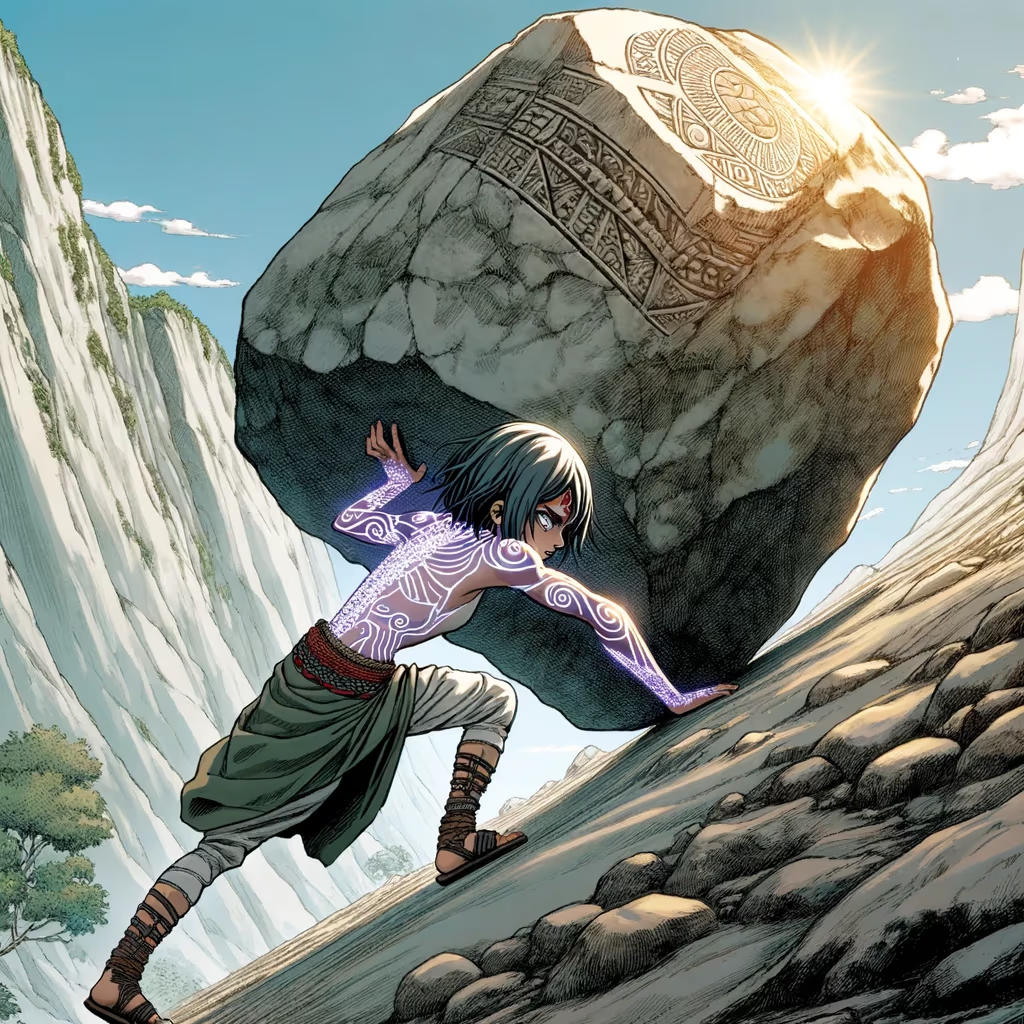
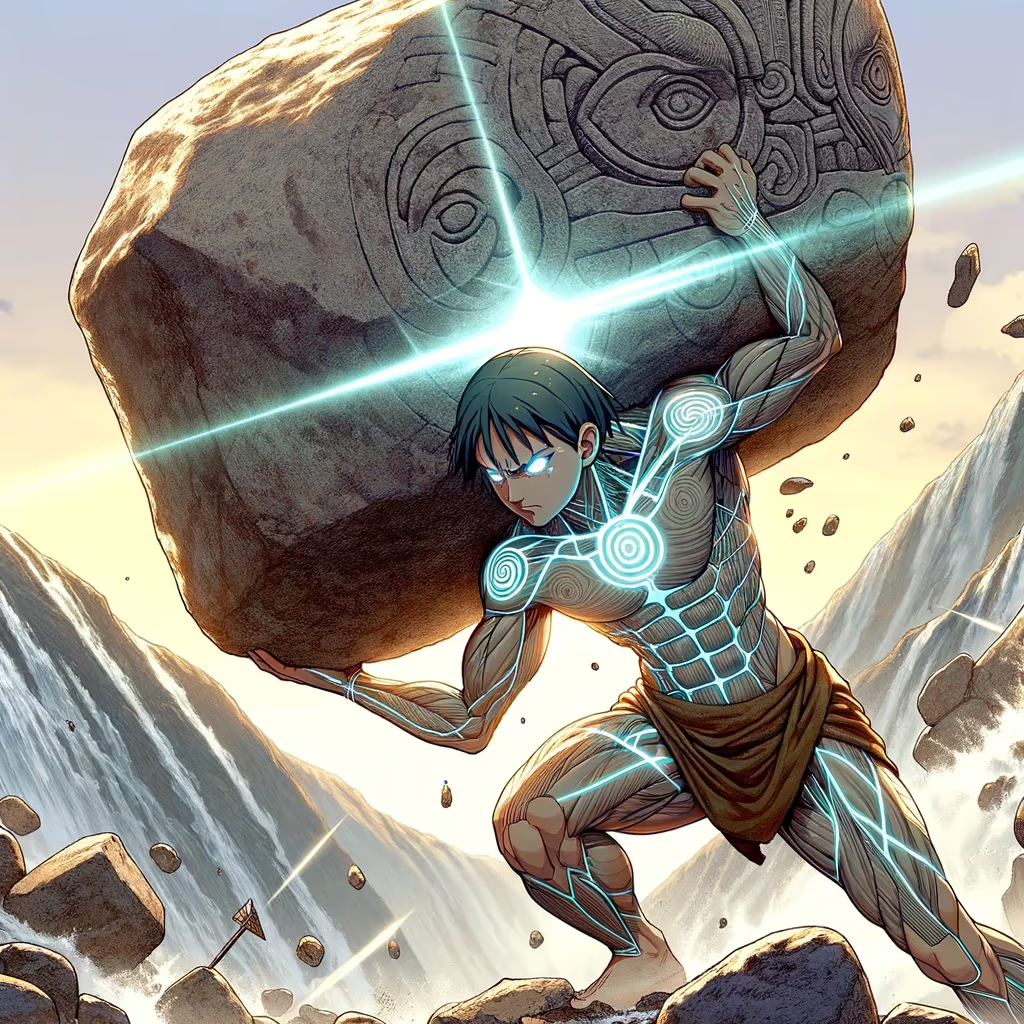
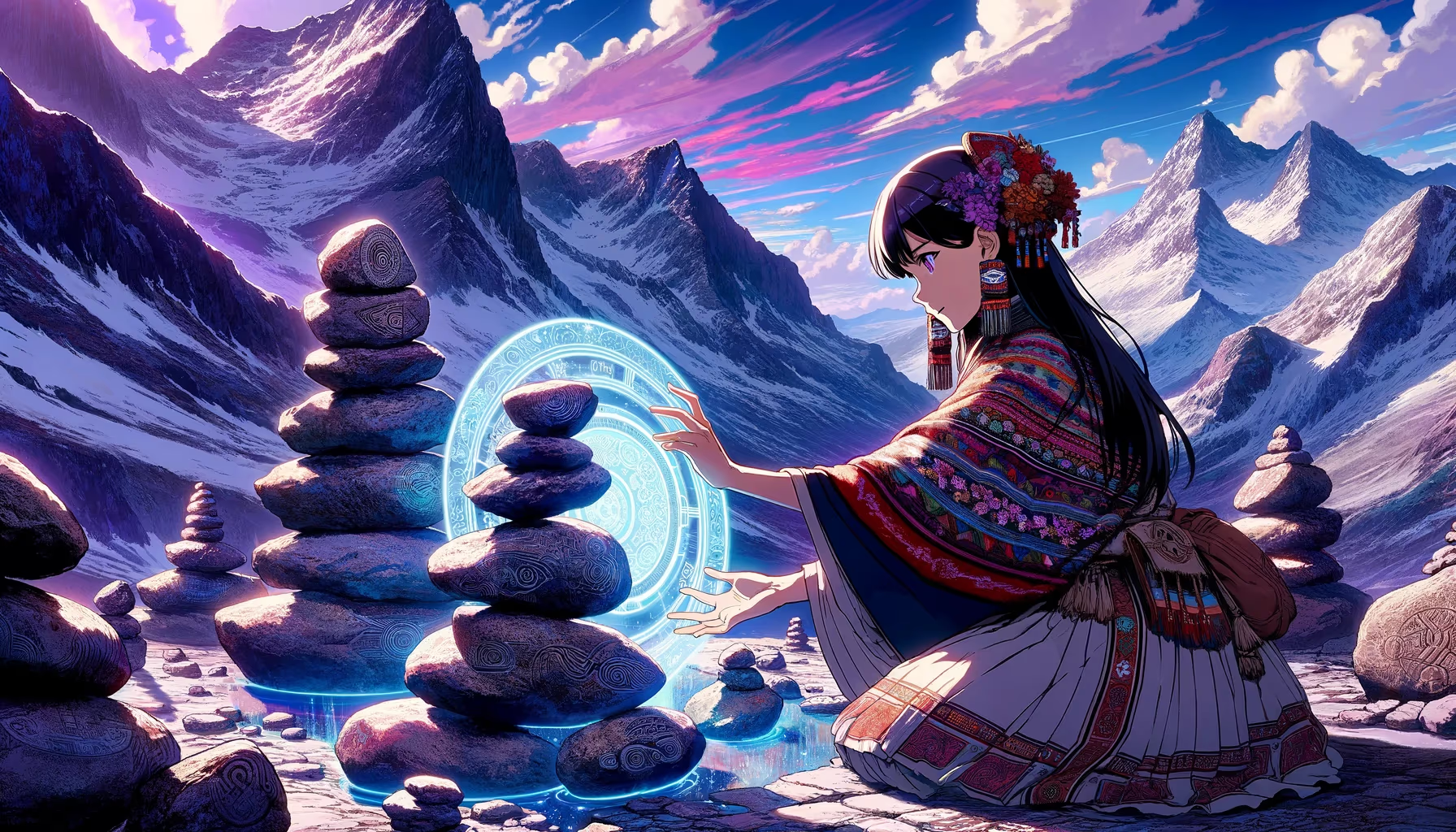
"I place my palm on stone, and the mountain answers in my bones." Her strength is summoned through relationship: breathe with the rock, stand with the earth, rise with the Apu.
Stone Intimacy in the Andes: Huaca Power, Mountain Embodiment, and Summoned Strength
Ancient Peru Research
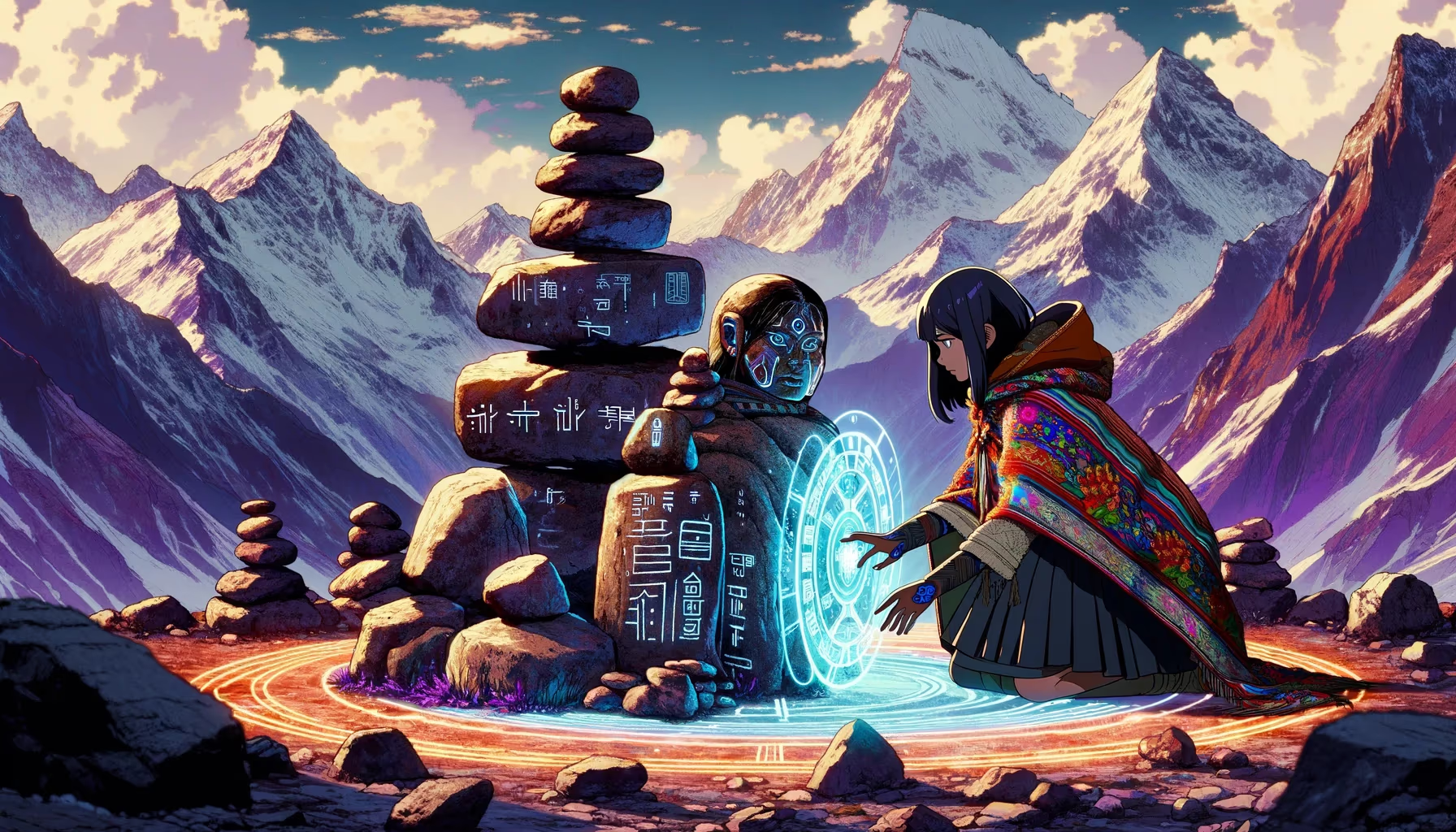
This image can be read as an Andean practice of embodied strength: not domination over stone, but alliance with it. In many Andean traditions, sacred power is relational. Touching rock, pausing at high passes, and making offerings are ways of aligning body and landscape before effort.
Historical scholarship on huaca traditions helps ground this deeply. Rather than a vague "sacred place," some sources describe huaca stones as animate ancestral presences and ritual mediators linked to mountain beings. That supports your mythic line: strength is summoned through respectful contact, memory, and reciprocity.
Inca stone architecture gives a second layer of meaning. Sites such as Sacsayhuaman and the stonework of Cuzco show extraordinary engineering precision in dry-stone construction. For youth audiences, this becomes a practical lesson: "superhuman" strength in Andean history often meant disciplined teamwork, technique, breath, and patience sustained over time.
Research Sources
Next Quest Prompt: Next quest: Pair this stone-strength page with an apacheta or group-hiking page to show how power grows from relationship, not isolation.
Context and references
Use this page for cultural and geographic learning paths around the artwork.
Additional curated references for this piece will be expanded in the next content pass.