Story Mode
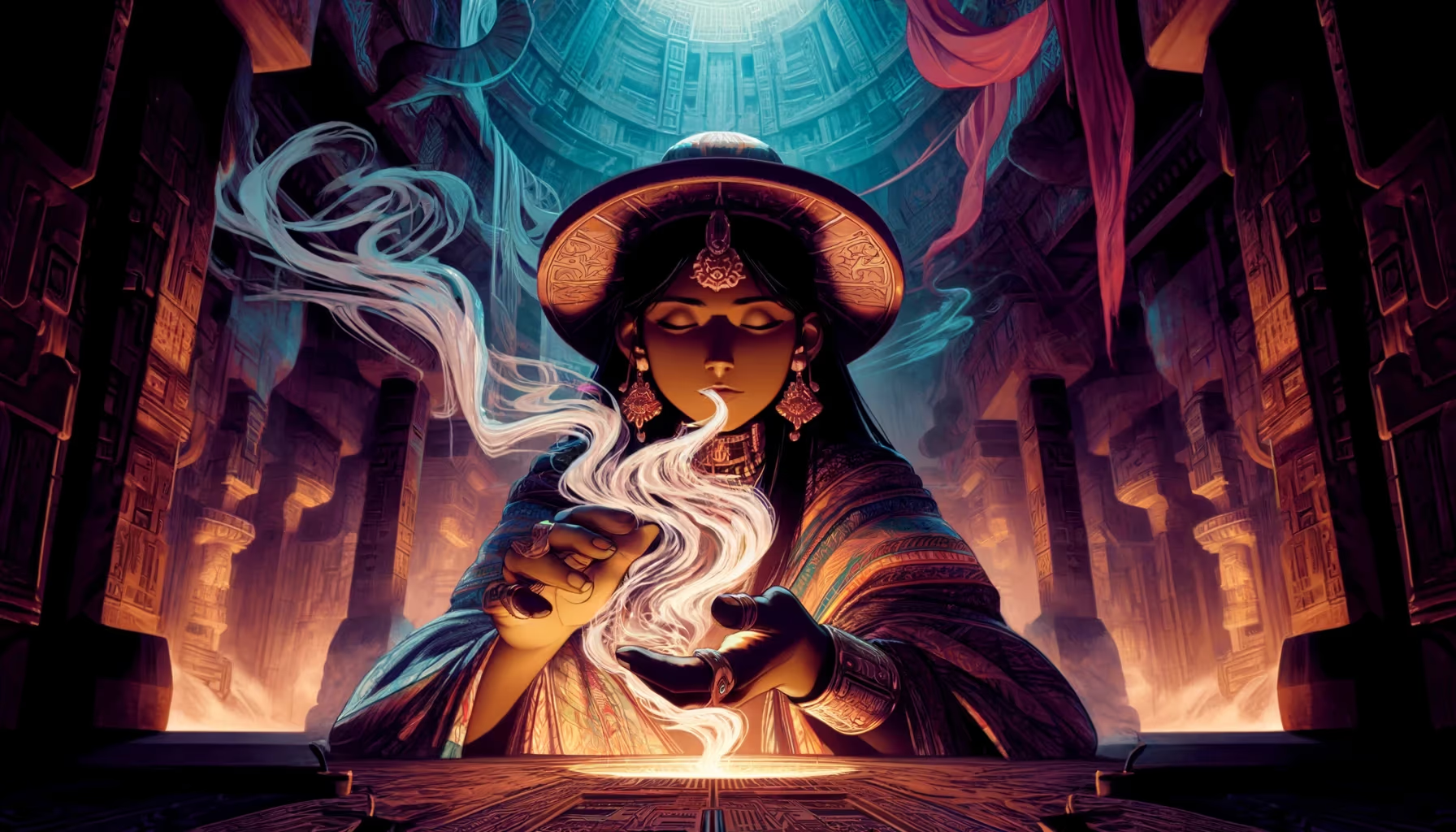
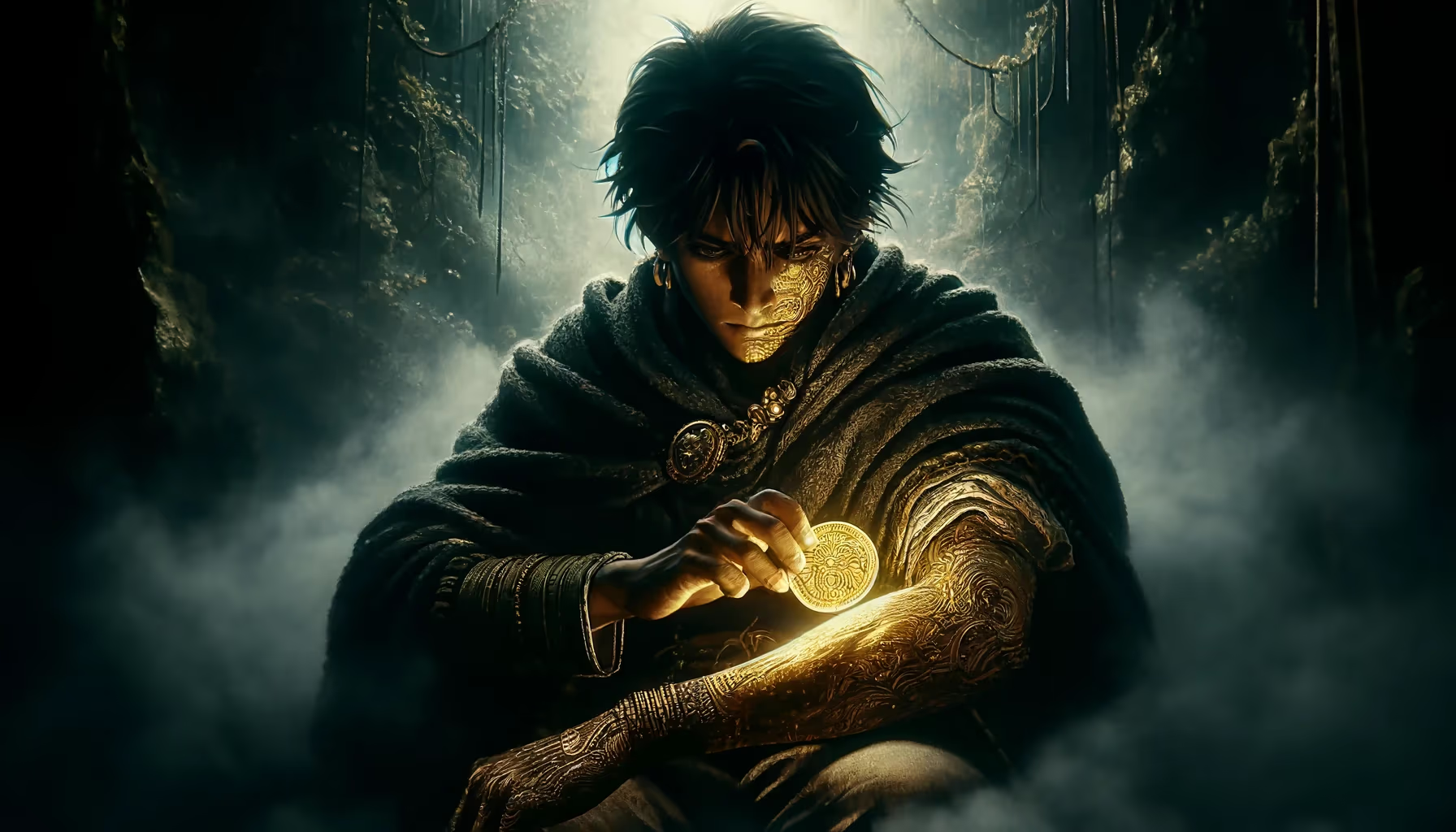
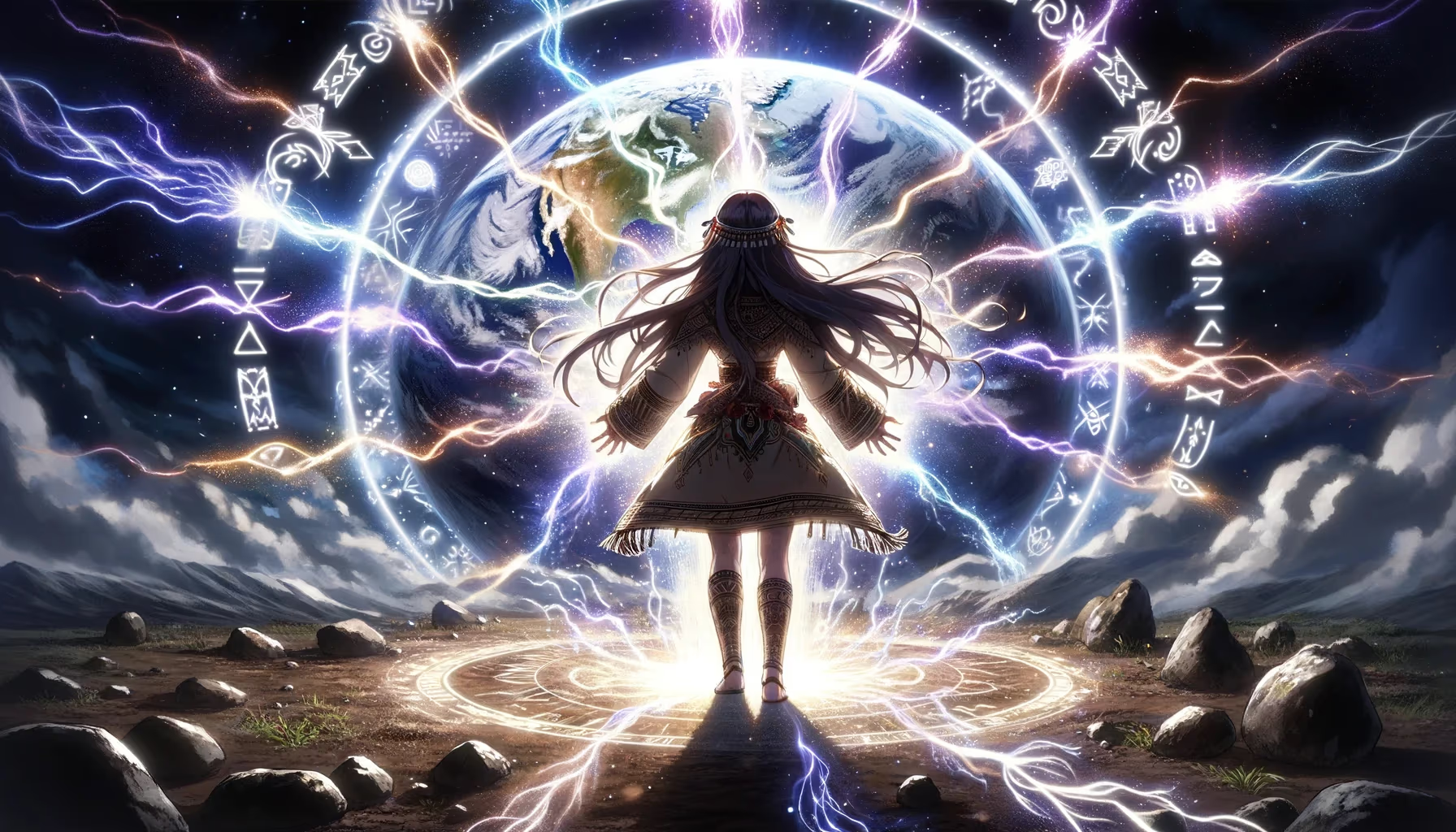
Engage every dimension. In Pachakuna memory, incense is not background fragrance; it is a bridge. Smoke rises through stone chambers, touches skin, clears thought, calls ancestors, and maps a sacred route between body, community, and sky.
Ancient Peru Context: Incense Arts, Sacred Smoke, and Multi-Sensory Ritual
Ancient Peru Research
Your phrase is perfect for this scene because incense in the ancient-and-living Andes functions as a full sensory technology. A precision note keeps us rigorous: there was no single uniform "Inca incense doctrine" for all regions and periods. What evidence does show, across different times and Andean societies, is repeated use of aromatic smoke, ritual burning, and inhaled preparations to shape attention, social cohesion, and spiritual meaning.
Archaeological and ethnohistorical data in Peru support deep continuity. New Chavin de Huantar evidence (first millennium BCE) confirms highly structured ceremonial use of psychoactive plant preparations and specialized ritual paraphernalia, showing that controlled altered-state practices were already embedded in elite ritual systems. By later periods, iconography and tomb contexts in northern Peru (including Moche-related records discussed in ethnobotanical literature) indicate long-standing ceremonial use of plants linked to healing and ritual authority.
For direct incense practice, northern Peruvian curanderismo documentation is especially rich. Ethnomedical field studies describe mesas where perfumes, aromatic plant preparations, and tobacco smoke are applied intentionally to cleanse, diagnose, and protect; the same studies note ritual offerings where smoke and scent mediate relations with non-human powers. A recent cross-Andean review (with Peru-specific records) also documents smoke offerings, incense use, and aromatic species in healing/protective ceremonies from Ayacucho to Cusco contexts.
This is why "engage every dimension" is historically defensible: incense work is simultaneously physiological (breath and arousal), psychological (focus and emotional shift), social (shared ritual synchronization), and cosmological (communication with sacred agencies). Peru's Ministry of Culture recognition of traditional San Pedro knowledge in 2022 confirms that these ceremonial systems - including tobacco smoke practices in northern curanderismo - remain living heritage, not museum fragments.
Research Sources
Next Quest Prompt: Next quest: Pair this incense-power page with an image centered on breath, conch sound, or dawn fire so visitors feel how smell, sound, light, and movement worked together in Andean ritual design.
Context and references
Use this page for cultural and geographic learning paths around the artwork.
Additional curated references for this piece will be expanded in the next content pass.