Story Mode
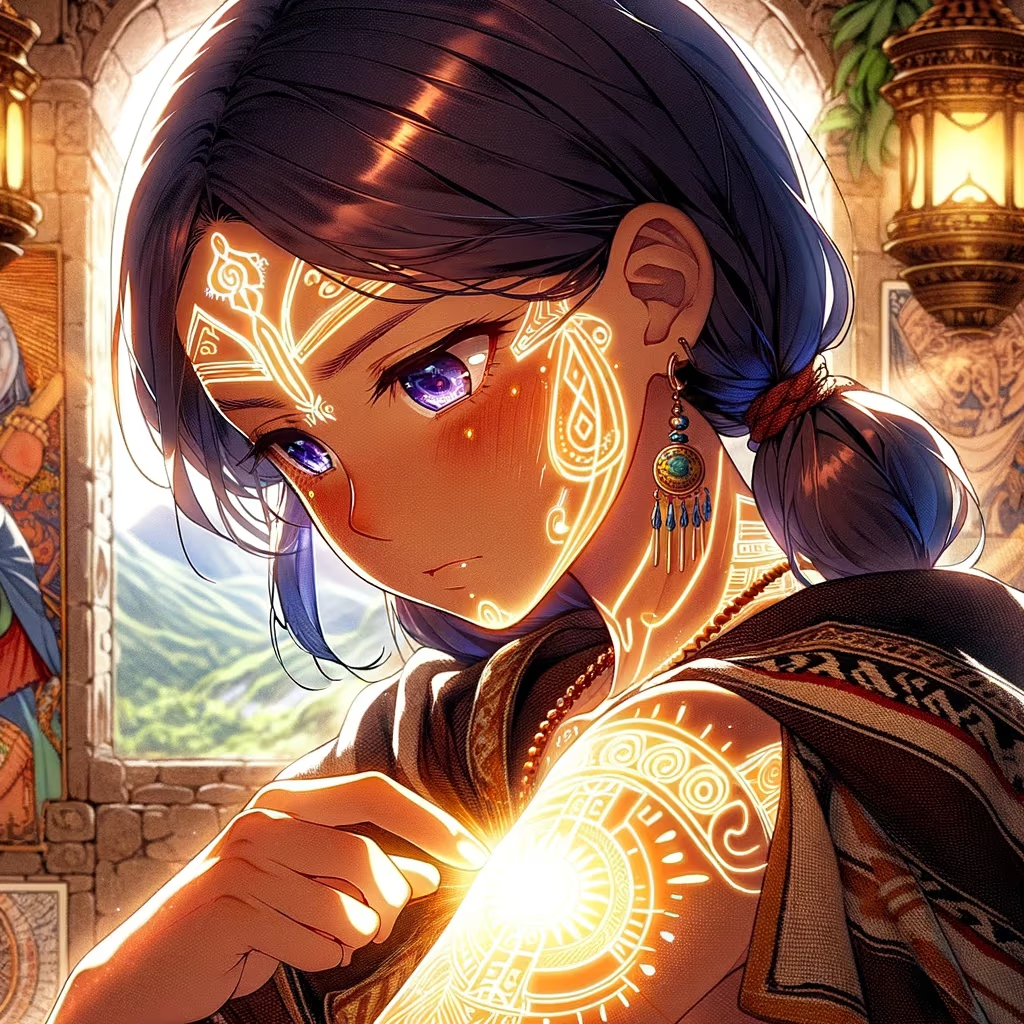
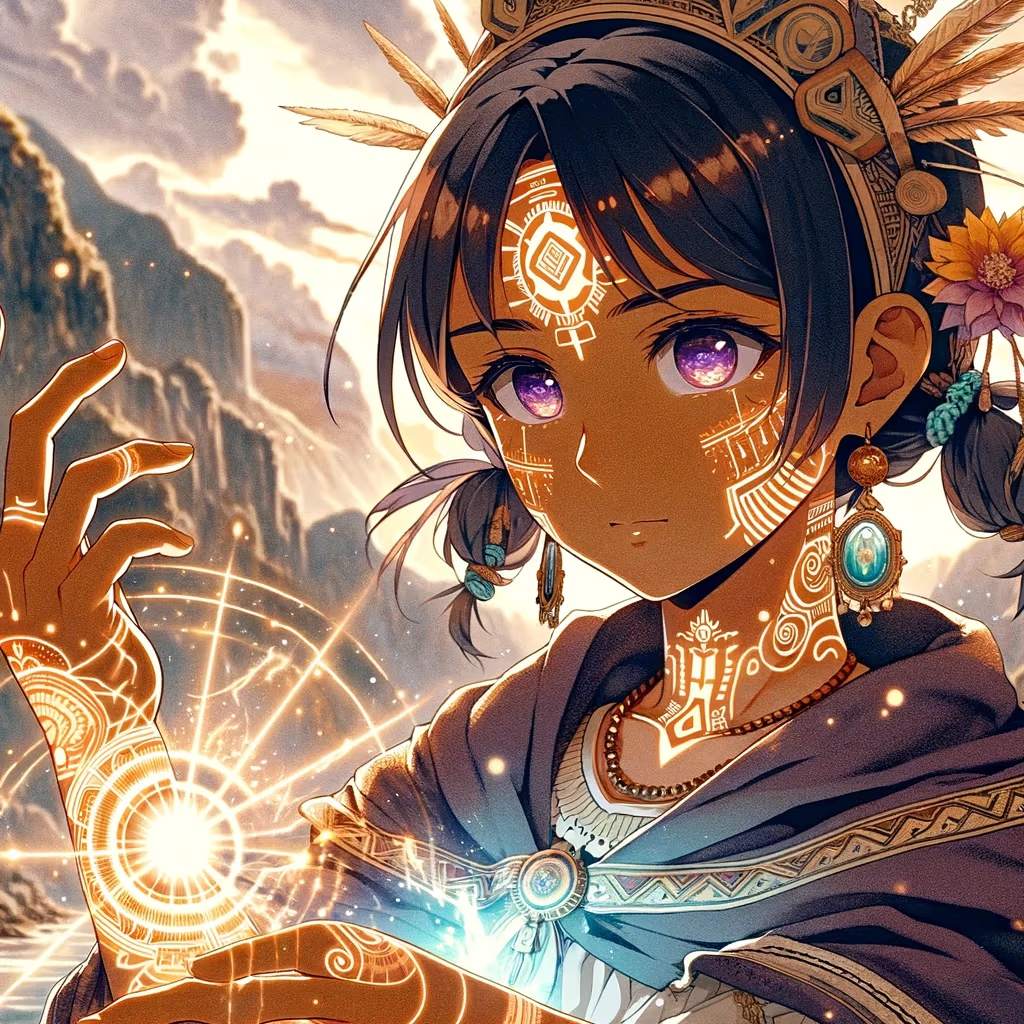
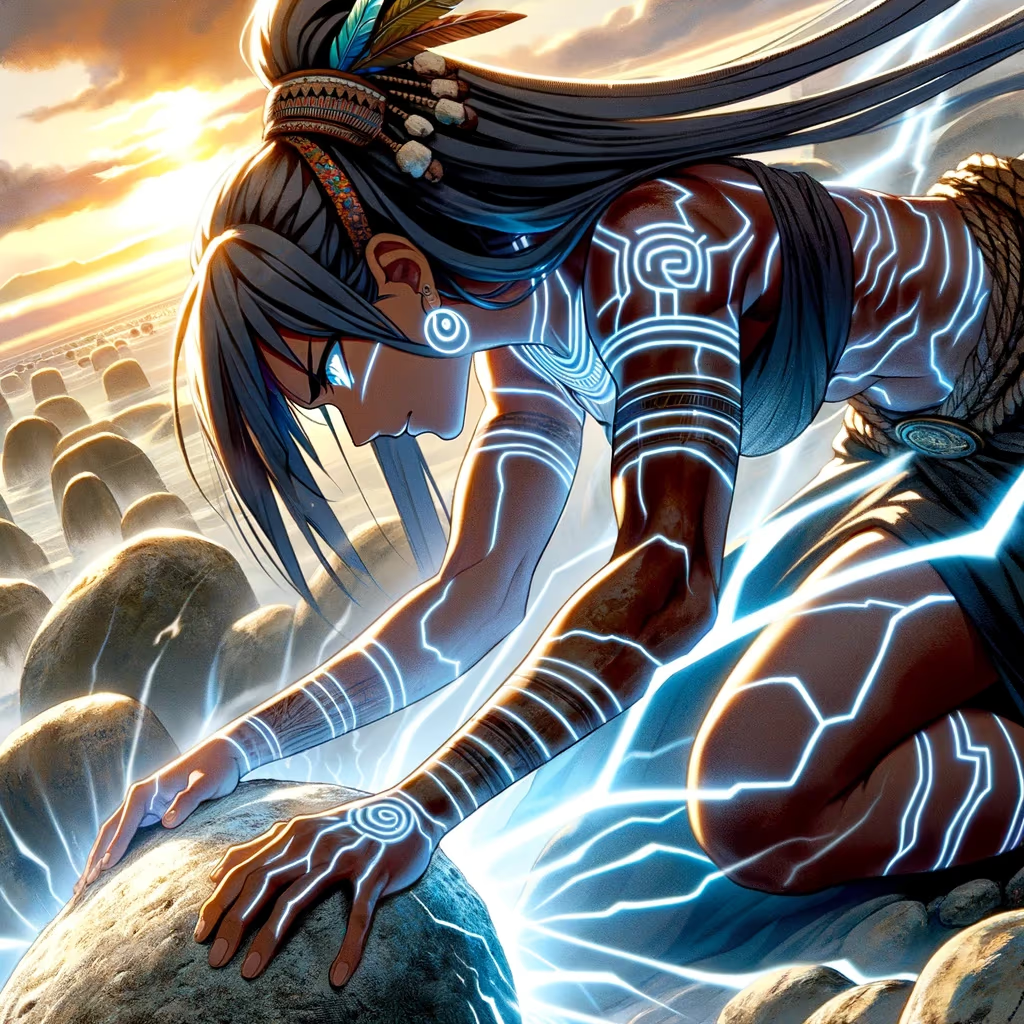
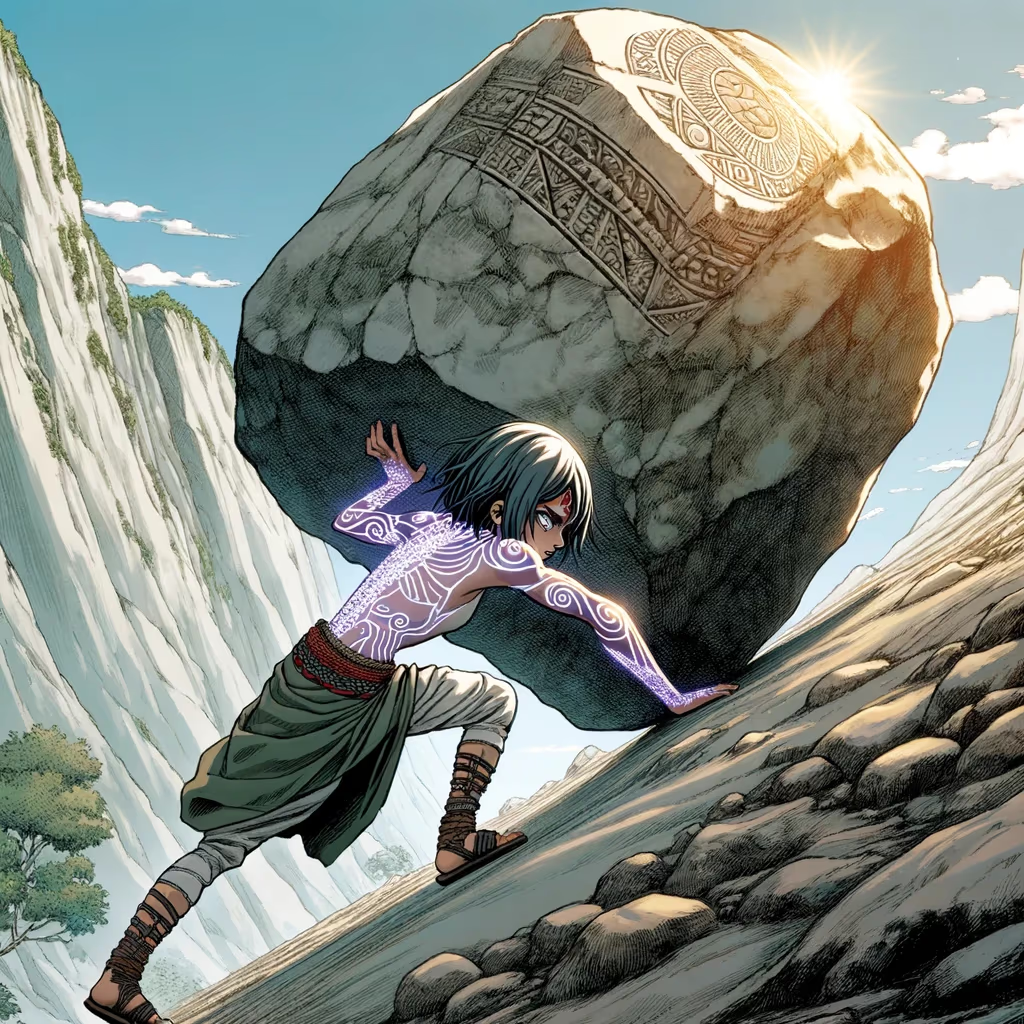
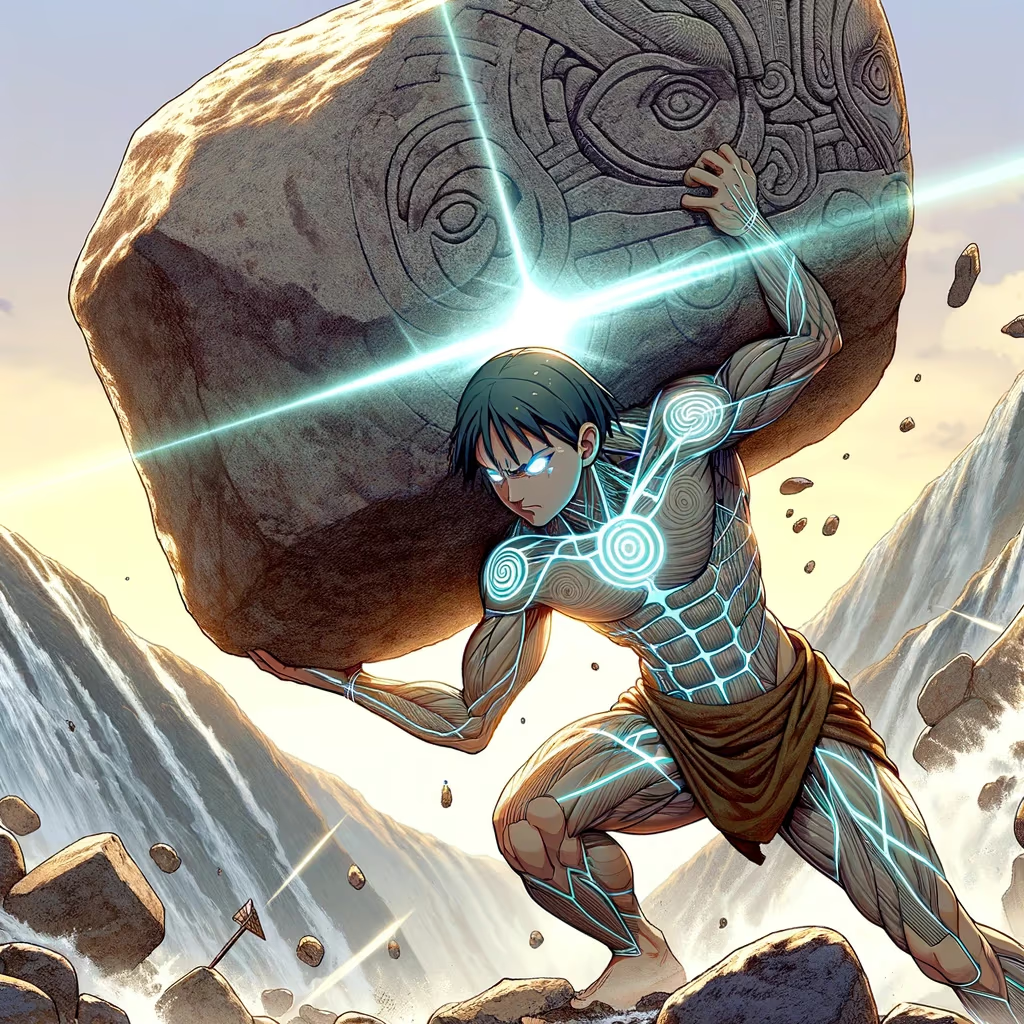
My armor is my soul. The priestess does not wear metal first; she wears memory first. Each tattooed line is a vow, each symbol a shield, each mark a promise to protect people, water, seed, and song in the valley.
Ancient Peru Context: Sacred Skin, Tattoo Knowledge, and Spiritual Armor
Ancient Peru Research
Your phrase is excellent for this image, and we can ground it carefully: in ancient Peru, tattooing was not one single empire-wide rule, but it does appear repeatedly across multiple societies as a meaningful body practice. The strongest evidence comes from preserved skin, cemetery bioarchaeology, and iconographic parallels in textiles and ceramics. So "soul armor" works when we frame tattoos as social, ritual, and identity technologies rather than just decoration.
Paracas-Necrópolis evidence is especially rich. A paleopathological study of tattooed mummies from Warikayan reports a high prevalence of tattooing in the sample (43%), frequent placement on hands, fingers, and forearms, and notable female representation. The authors identify carbon as pigment and observe design parallels with Paracas textile and ceramic motifs, supporting interpretations tied to social role and status signaling.
Chiribaya evidence adds technical depth. A Journal of Archaeological Science study on a ~1,000-year-old mummy from southern Peru found different staining substances in distinct tattoo zones, distinguishing decorative figural motifs from circular neck marks discussed as possibly therapeutic. More recent Andean Past research on Peru's central coast also documents both puncture and incision methods, showing that tattooing knowledge included multiple toolkits and skilled procedural choices.
For power symbolism, the Señora de Cao is central: her preserved tattoos (including spider and serpent imagery) appear alongside elite insignia in El Brujo context, reinforcing links between body marking, authority, and ritual meaning. New PNAS imaging on Chancay mummies further reveals extremely fine tattoo linework and broad distribution in examined remains. Together, this supports your page theme strongly: in ancient Peru, skin could function as archive, interface, and protection system - where identity, spirituality, and social responsibility were literally inscribed on the body.
Research Sources
Next Quest Prompt: Next quest: Pair this soul-armor priestess page with a close-up of stone, water, or medicinal plants so visitors can see the full circuit - skin marks, place power, and healing practice.
Context and references
Use this page for cultural and geographic learning paths around the artwork.
Additional curated references for this piece will be expanded in the next content pass.