Story Mode
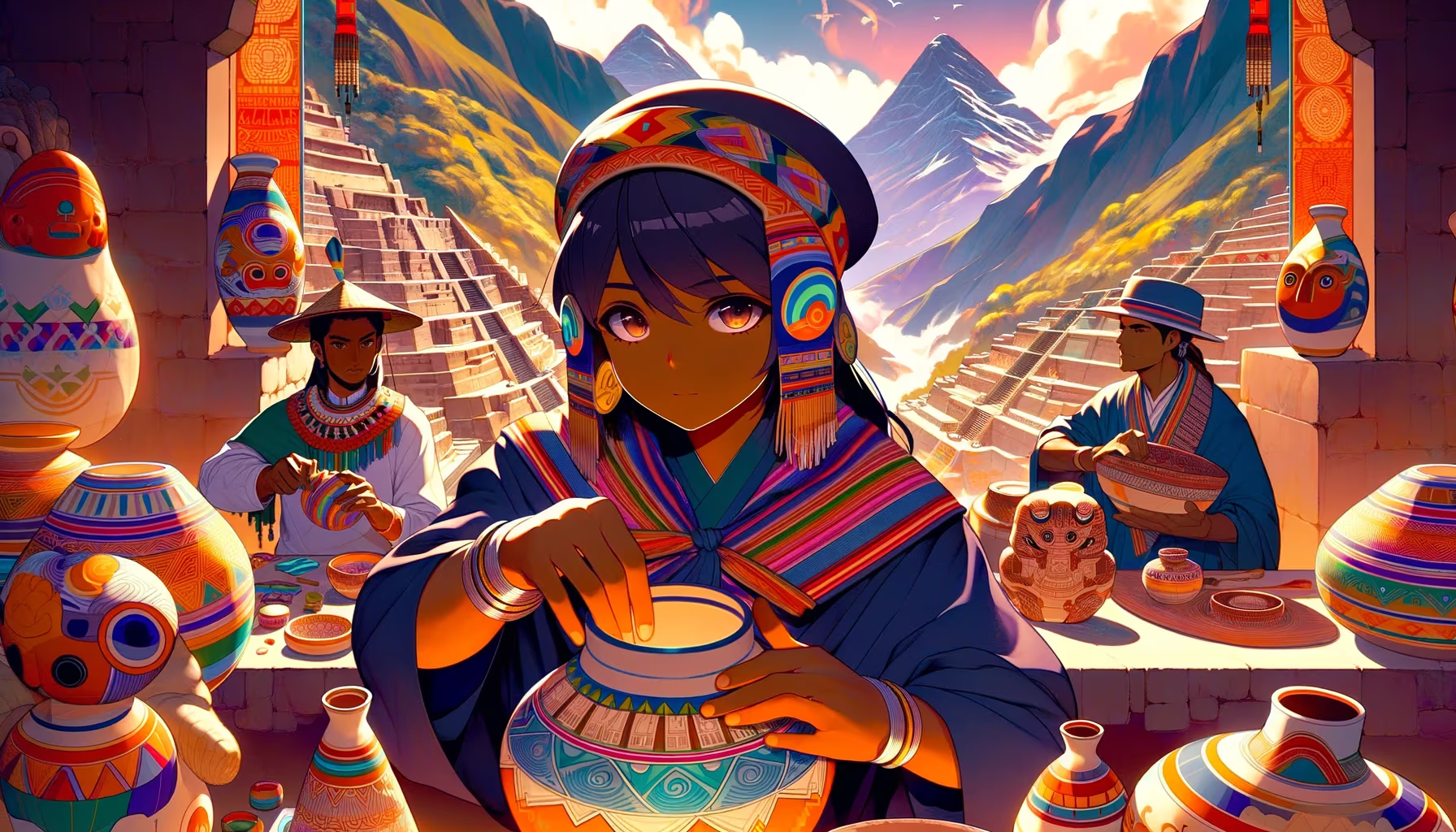
"The clay is alive if your hands listen." In Pachakuna memory, pottery is a love language with the earth: water softens, fingers guide, fire seals the promise.
Intimate Clay Knowledge in Ancient Peru: Pottery as Memory, Ritual, and Daily Technology
Ancient Peru Research
This scene beautifully supports a core Andean idea: pottery is not just a product, it is a relationship. Clay work joins body rhythm, local soils, water control, and fire timing. In that sense, intimate connection with clay is both artistic and ecological intelligence.
Archaeological evidence from ancient Peru shows how advanced this craft became. Studies of Moche ceramics describe large-scale mold technologies in workshops, yet also show strong hand-finished variation, meaning makers preserved individuality even in high production systems. The craft combined repetition and personality, discipline and creativity.
Ceramic vessels were also socially alive. Research and museum interpretation indicate they circulated in ritual scenes, feasting, healing contexts, and burials, linking daily use with sacred narratives. For a youth audience, this is powerful: shaping clay is shaping memory. Your hands can carry community stories across generations.
Research Sources
Next Quest Prompt: Next quest: Pair this clay-intimacy page with a river or mountain-soil page to show where ceramic knowledge begins: in land, water, and patient hands.
Context and references
Use this page for cultural and geographic learning paths around the artwork.
Additional curated references for this piece will be expanded in the next content pass.