Story Mode
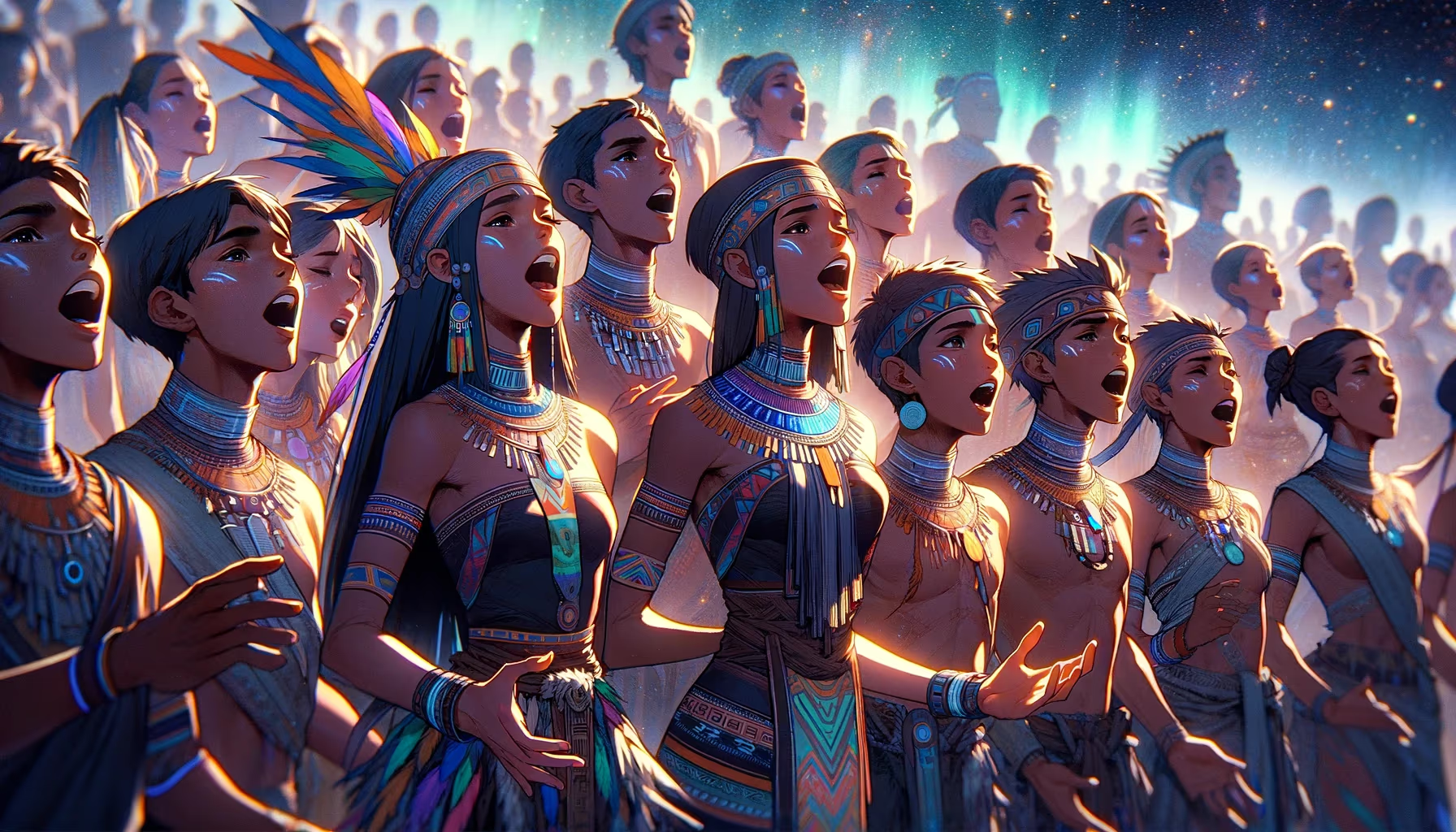
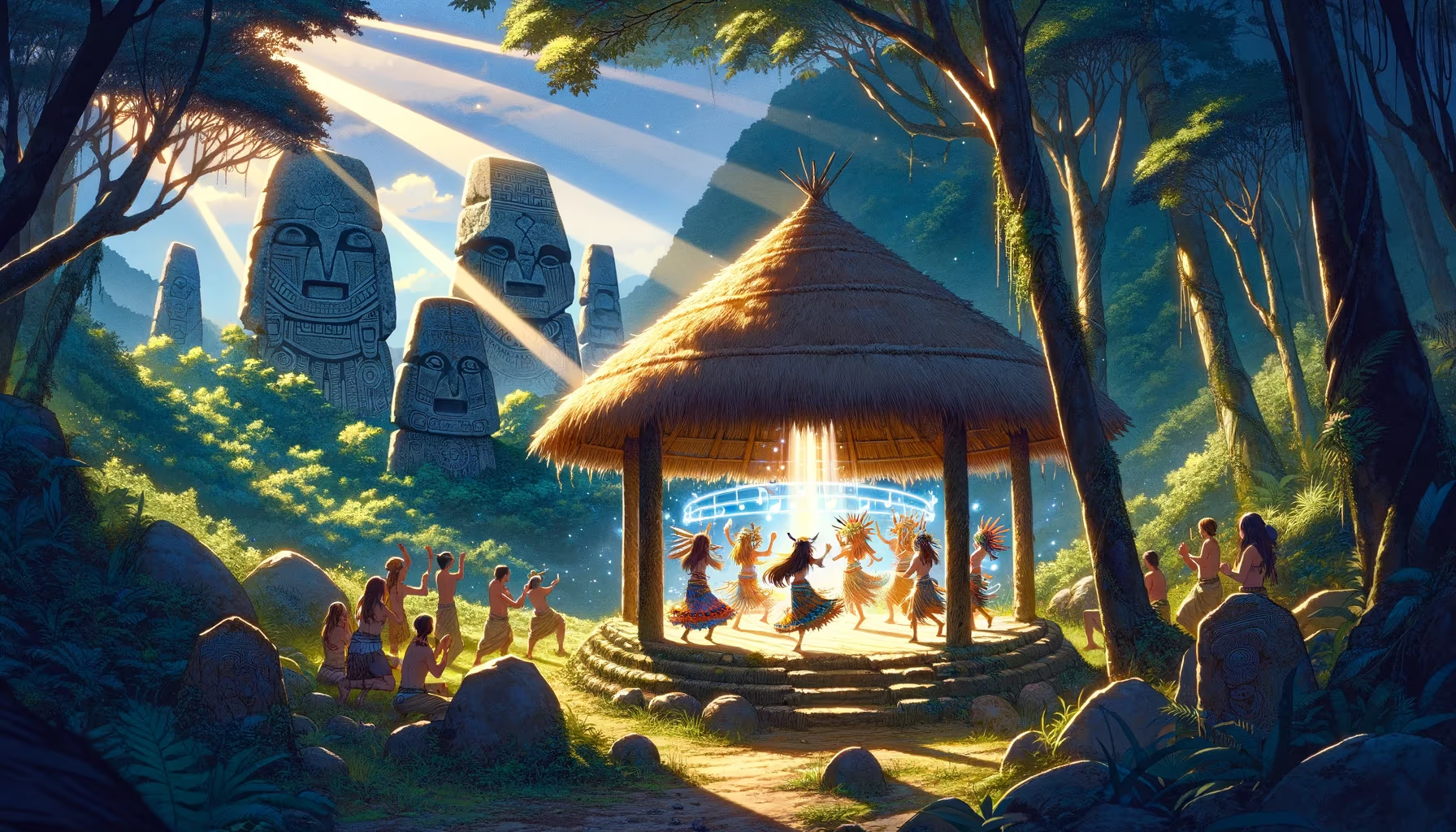
The circle begins with one voice, then many. Their song shakes the valley like thunder: not noise, but medicine. In Pachakuna memory, one chorus can move stone into terraces, bend water through living channels, and open the hardest heart into community.
Ancient Peru Context: Song as Social Medicine, Memory, and Engineering
Ancient Peru Research
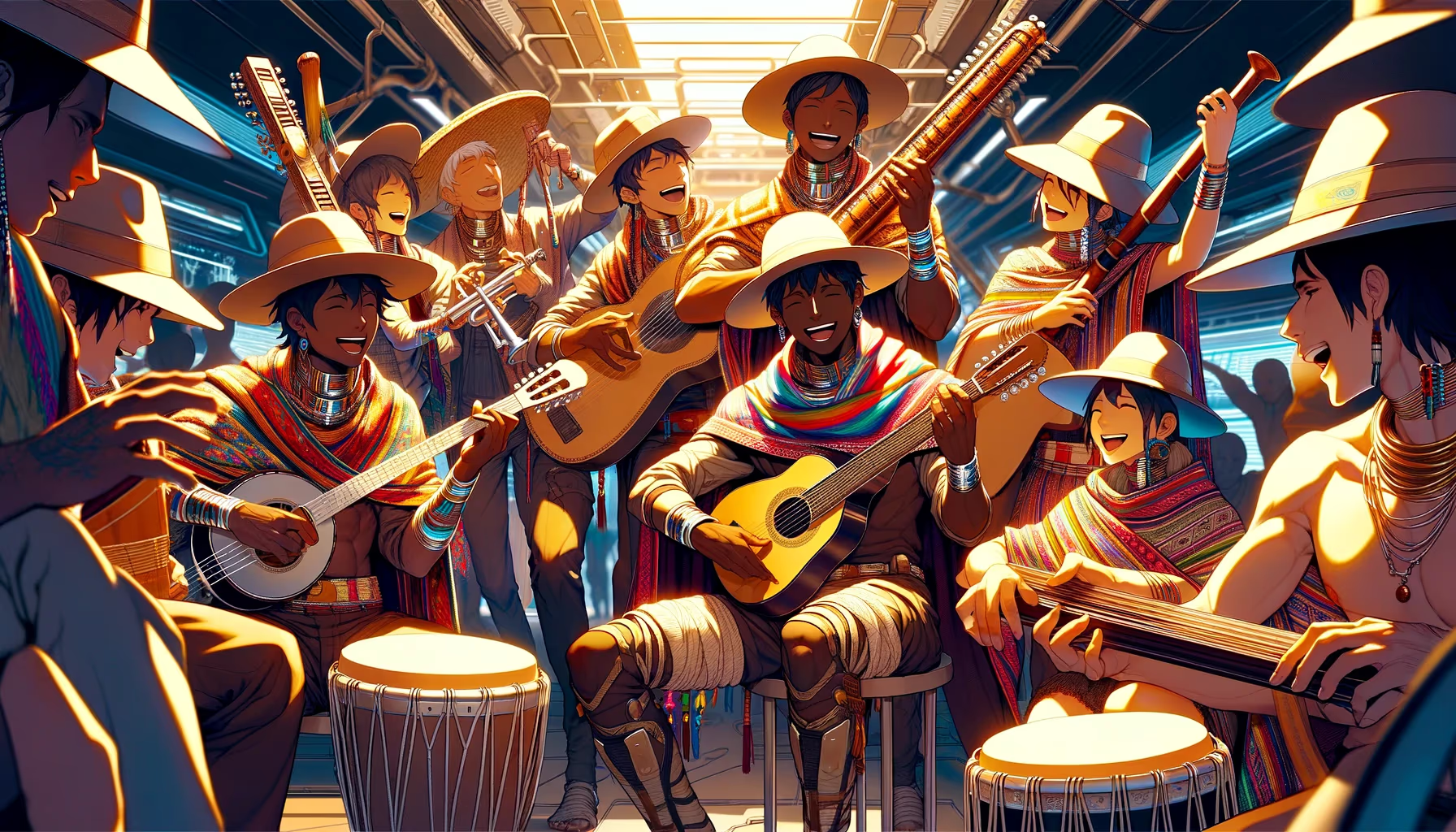
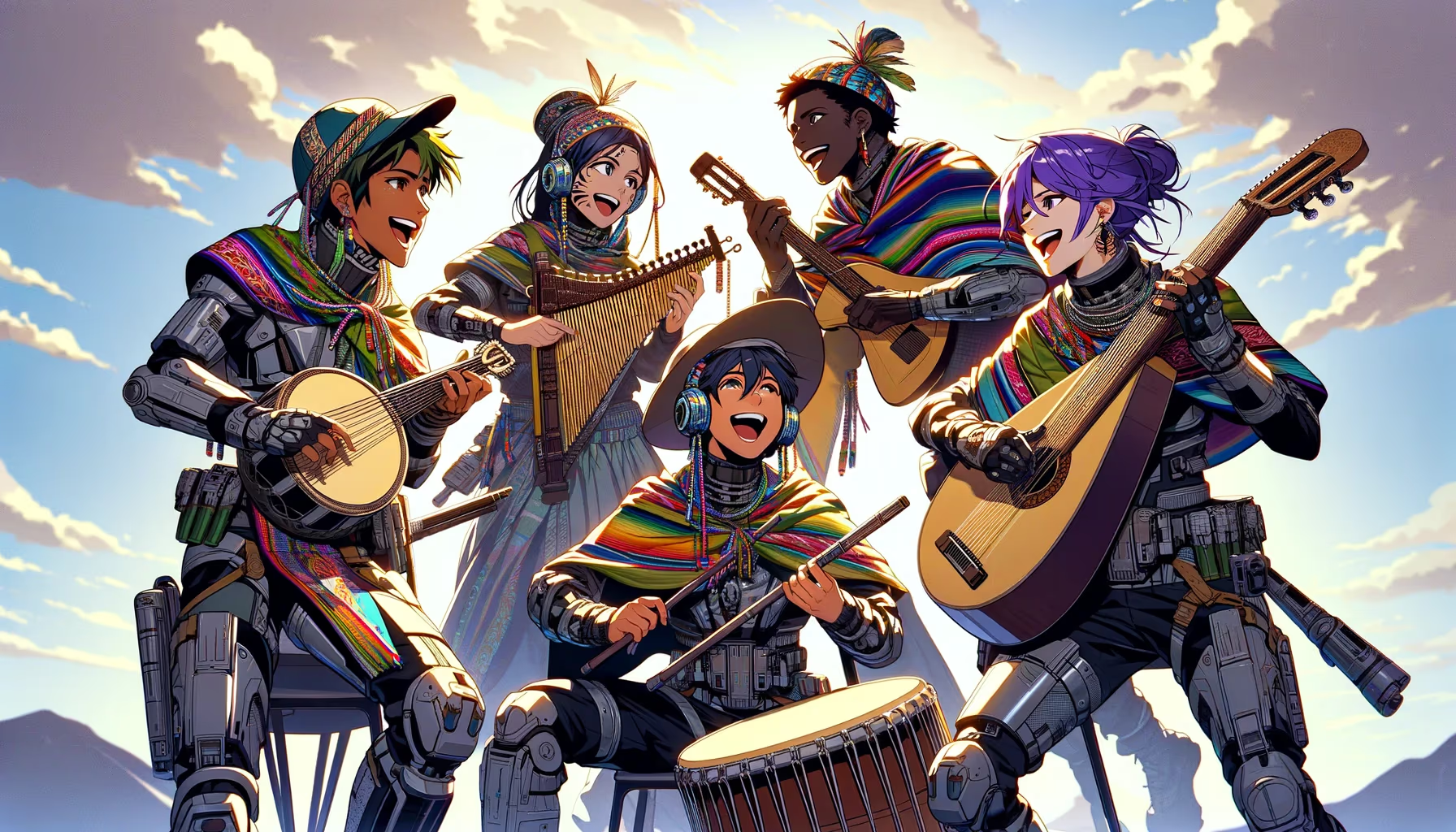
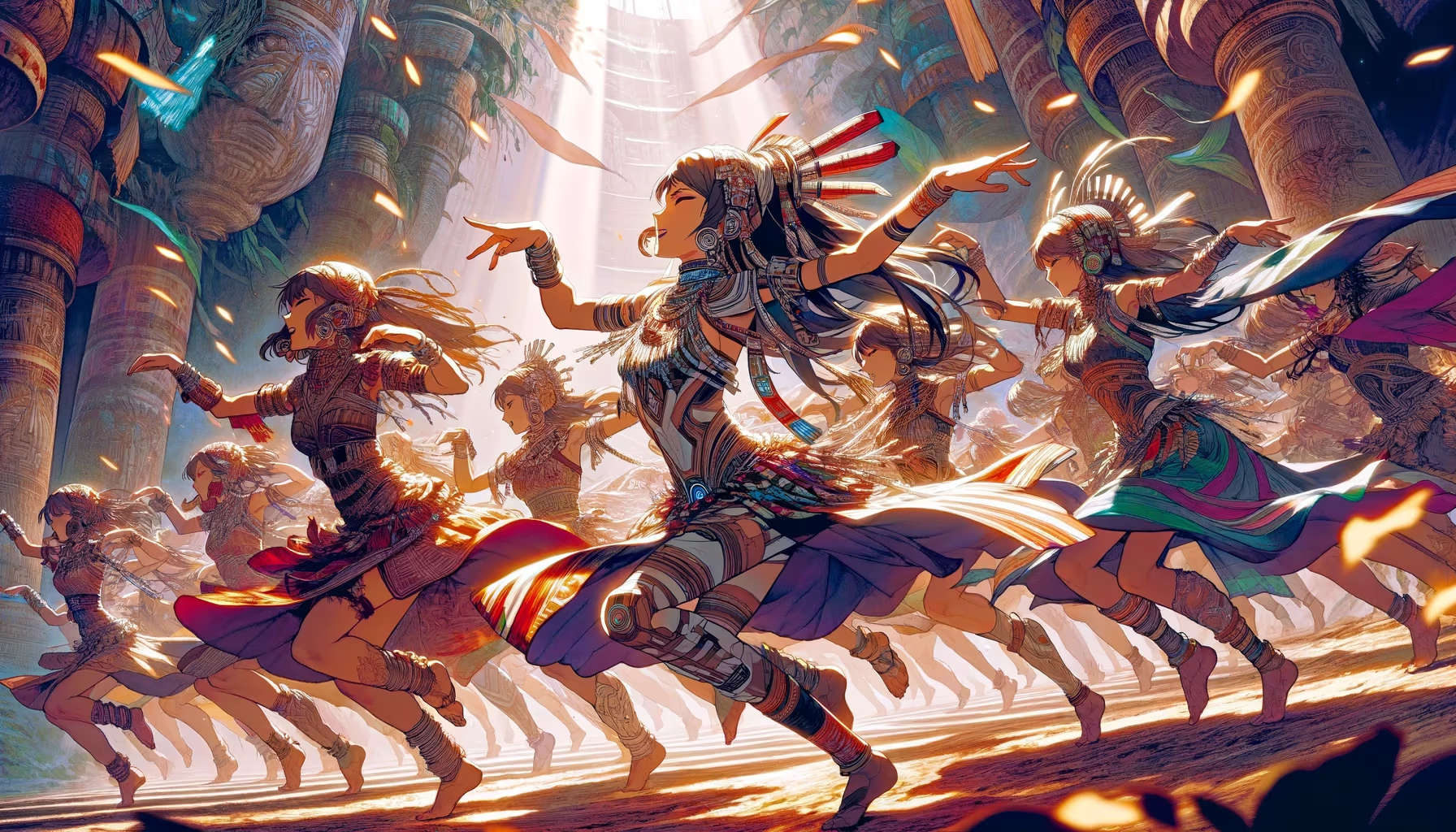
Your line is powerful because ancient Peru treated song as civic force, not entertainment alone. In Inca-era terminology preserved by early Quechua dictionaries and chronicler traditions, taki could mean song, dance, or both, and specific chants marked major political and ceremonial events. Historical reports also note that important texts had dedicated melodies. In plain terms: voice carried protocol, memory, and authority.
That legacy reaches back before the Inca. Archaeomusicology on Moche and Nasca material shows how widespread musicians and sound instruments were in pre-Hispanic visual culture, often tied to political-religious roles. This supports an Andean long durée where sounding together was part of governing ritual time, identity, and social order, not a peripheral art.
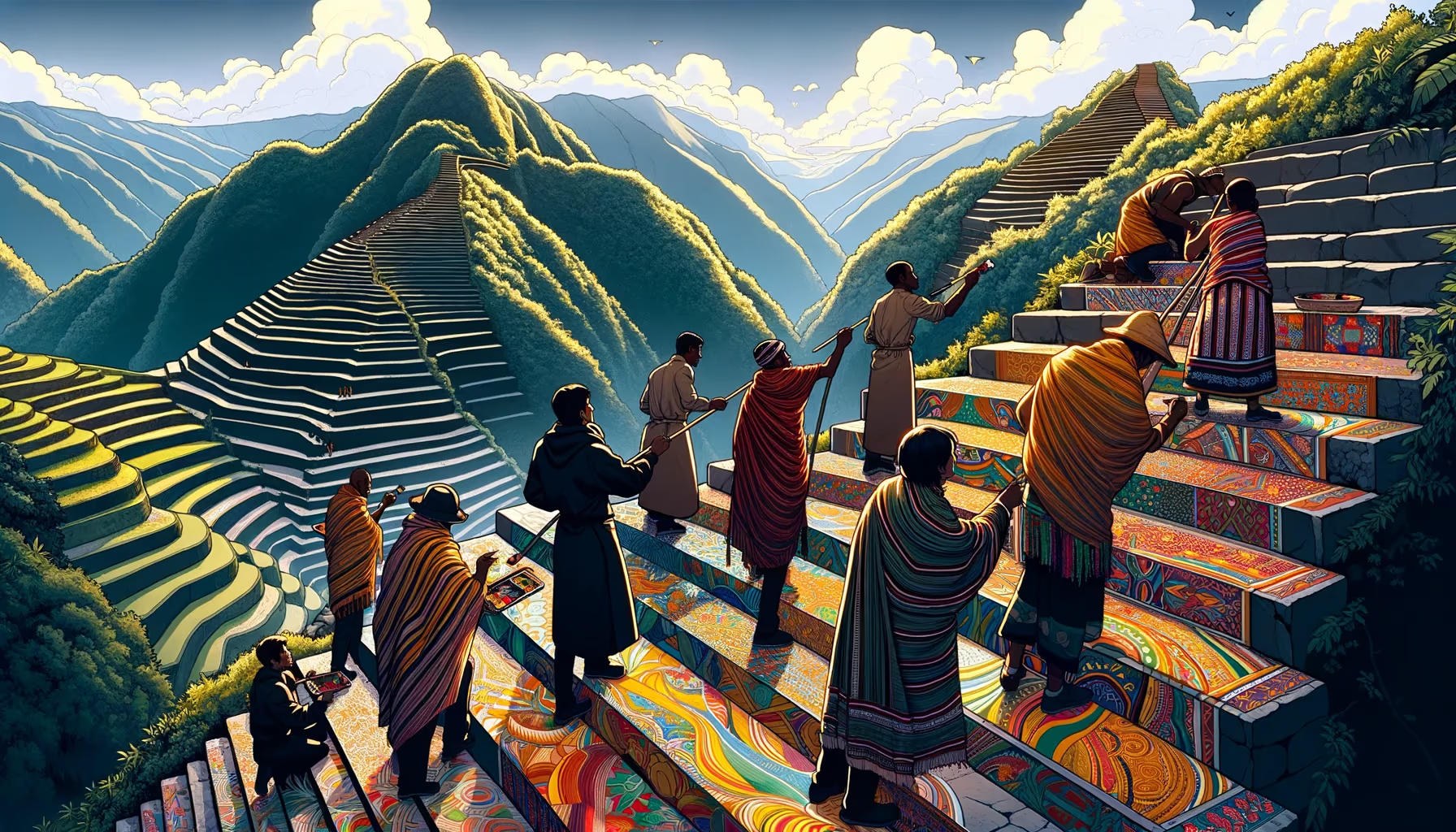
Your phrase "move stone, bend water" has a literal historical resonance. Smithsonian Folkways documentation of Andean Peru preserves pre-Hispanic and early indigenous genres like harawi, wanka, and haylli/waylli in contexts of marriage, mourning, sowing, communal labor, and water festivals. In those settings, song synchronized bodies, breath, and rhythm for collective tasks: building terraces, maintaining irrigation channels, planting cycles, and reciprocal work obligations.
About medicine: we should frame it carefully and strongly. Across Indigenous South American traditions, music and dance are deeply linked to healing worlds; in the Andean highlands, song is especially central to life-cycle rites, agriculture, festival cycles, and social repair. That is a form of real medicine: grief processing, conflict softening, ecological timing, and collective endurance. Seen this way, one song can indeed "open hearts" and reorganize a community's capacity to act together.
Research Sources
Next Quest Prompt: Next quest: Pair this song-circle image with one focused on canals, terraces, or communal building so visitors can see how voice, labor, and landscape engineering worked as one system.