Story Mode
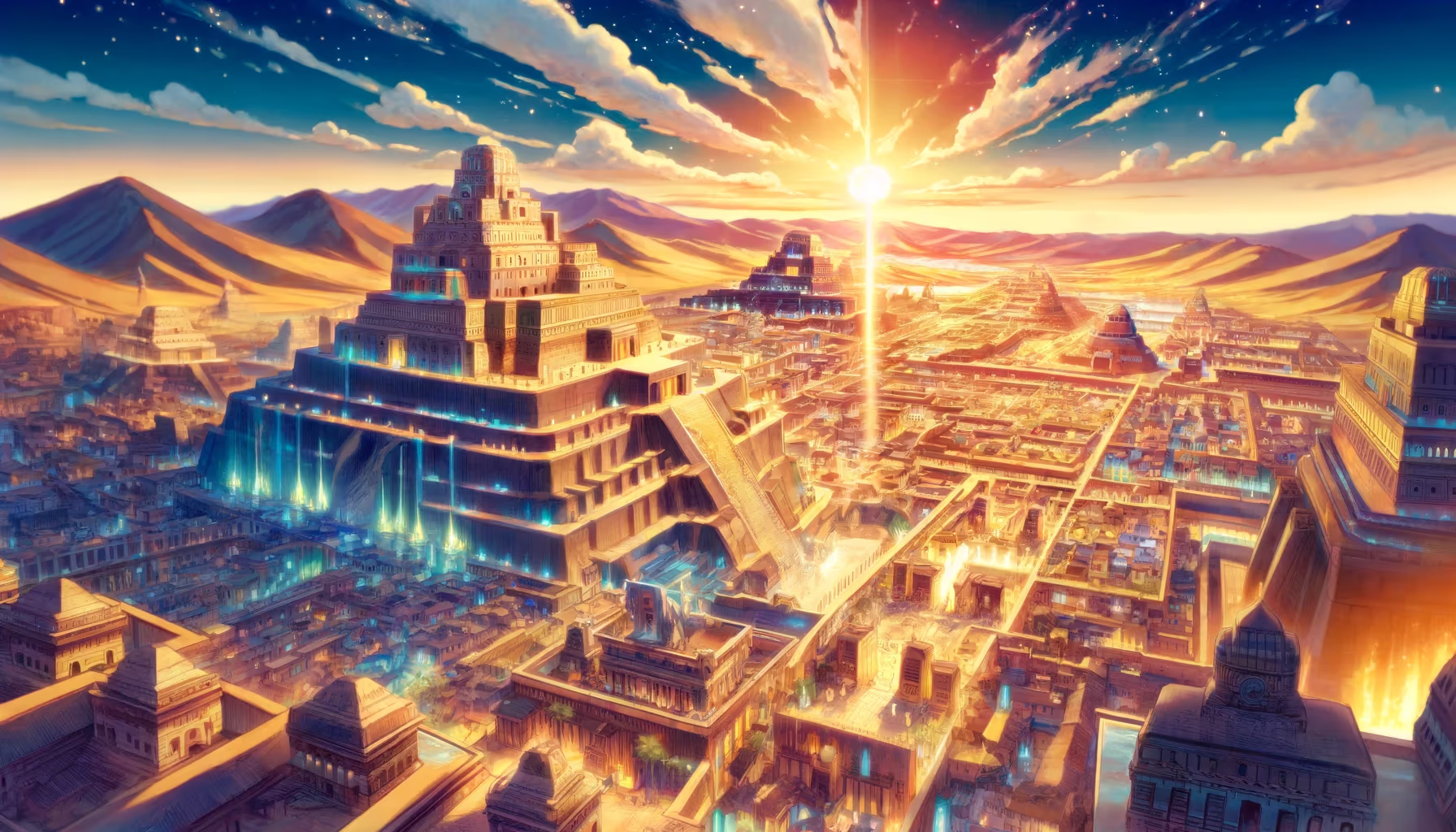
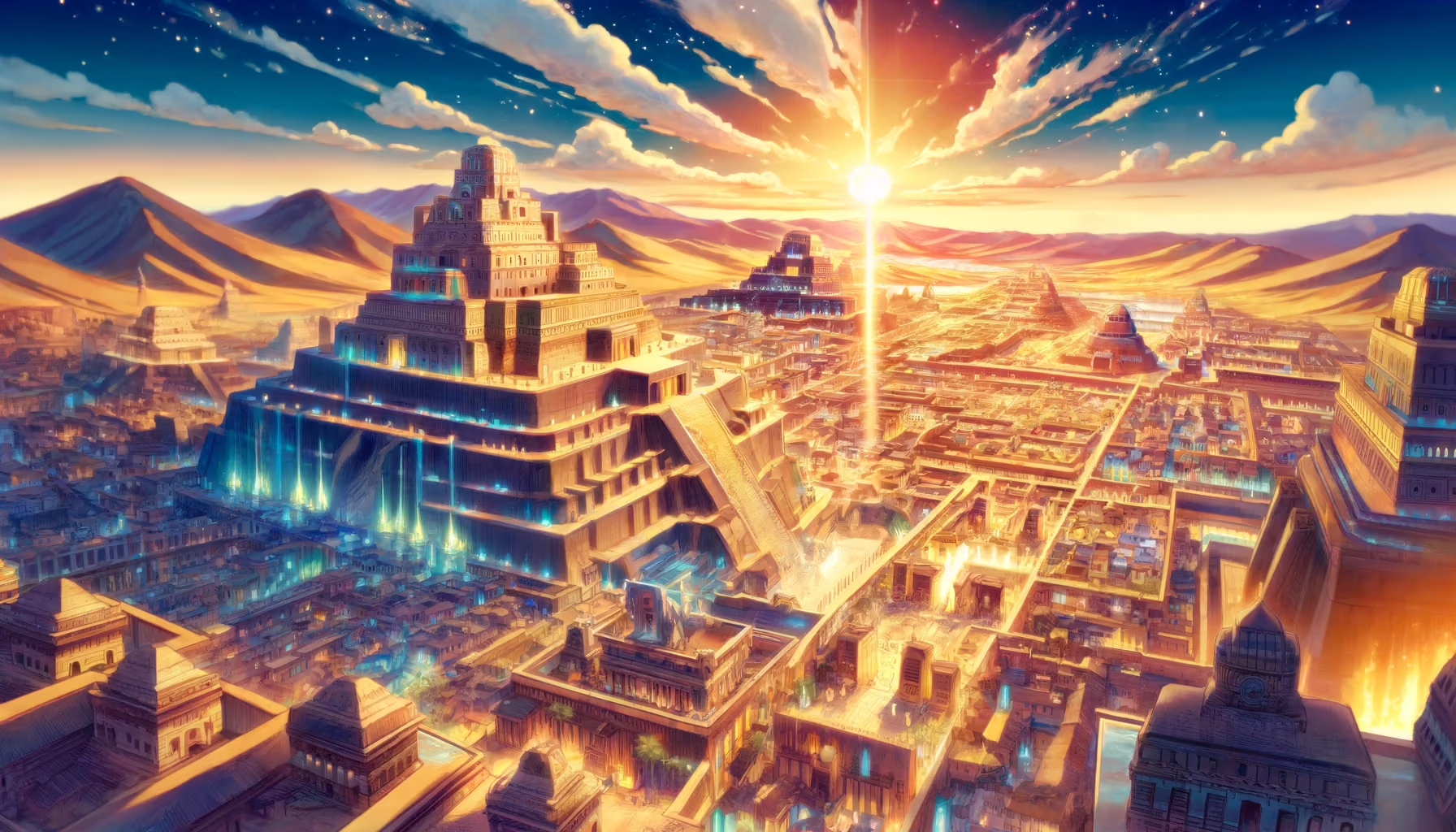
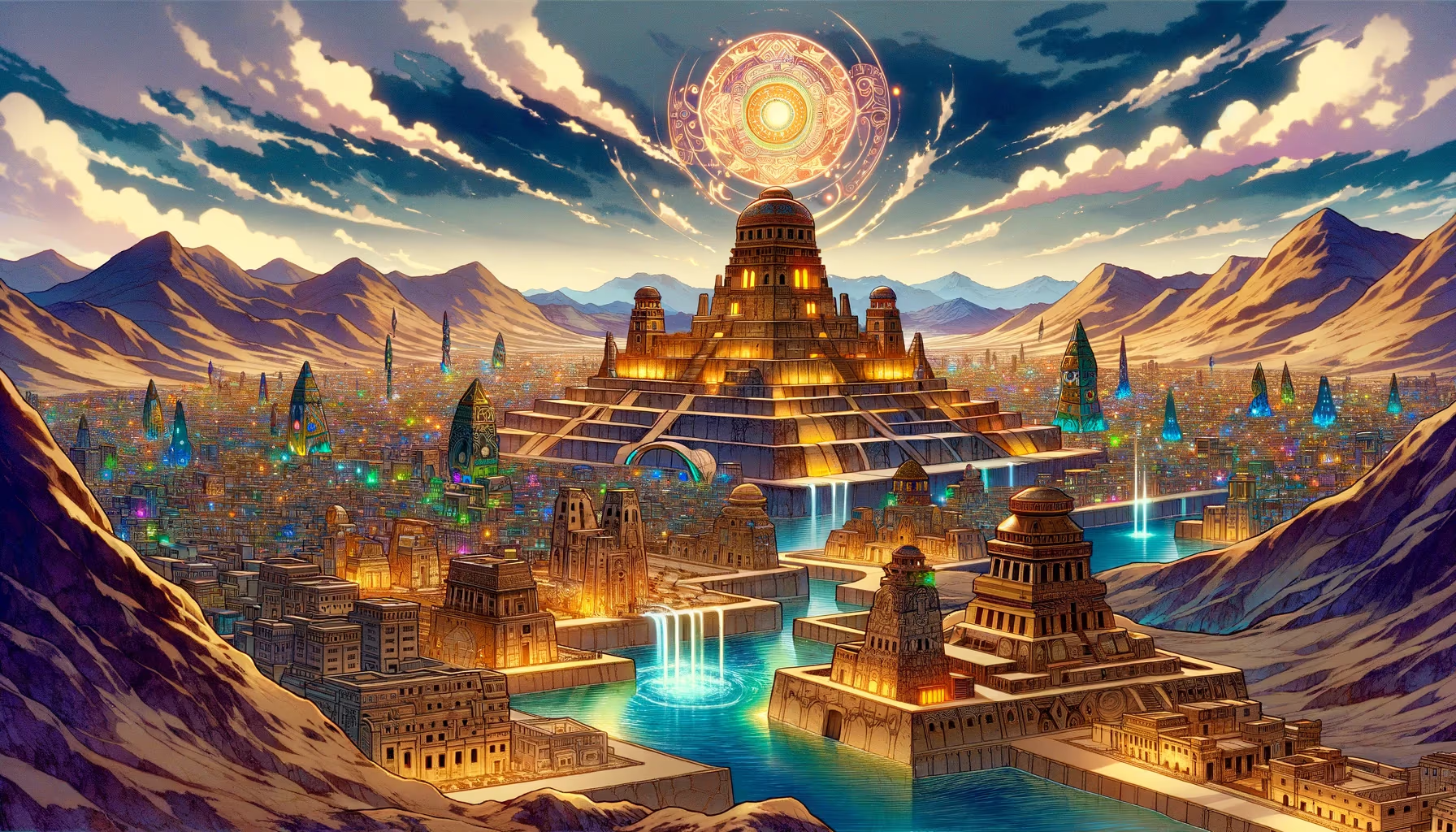
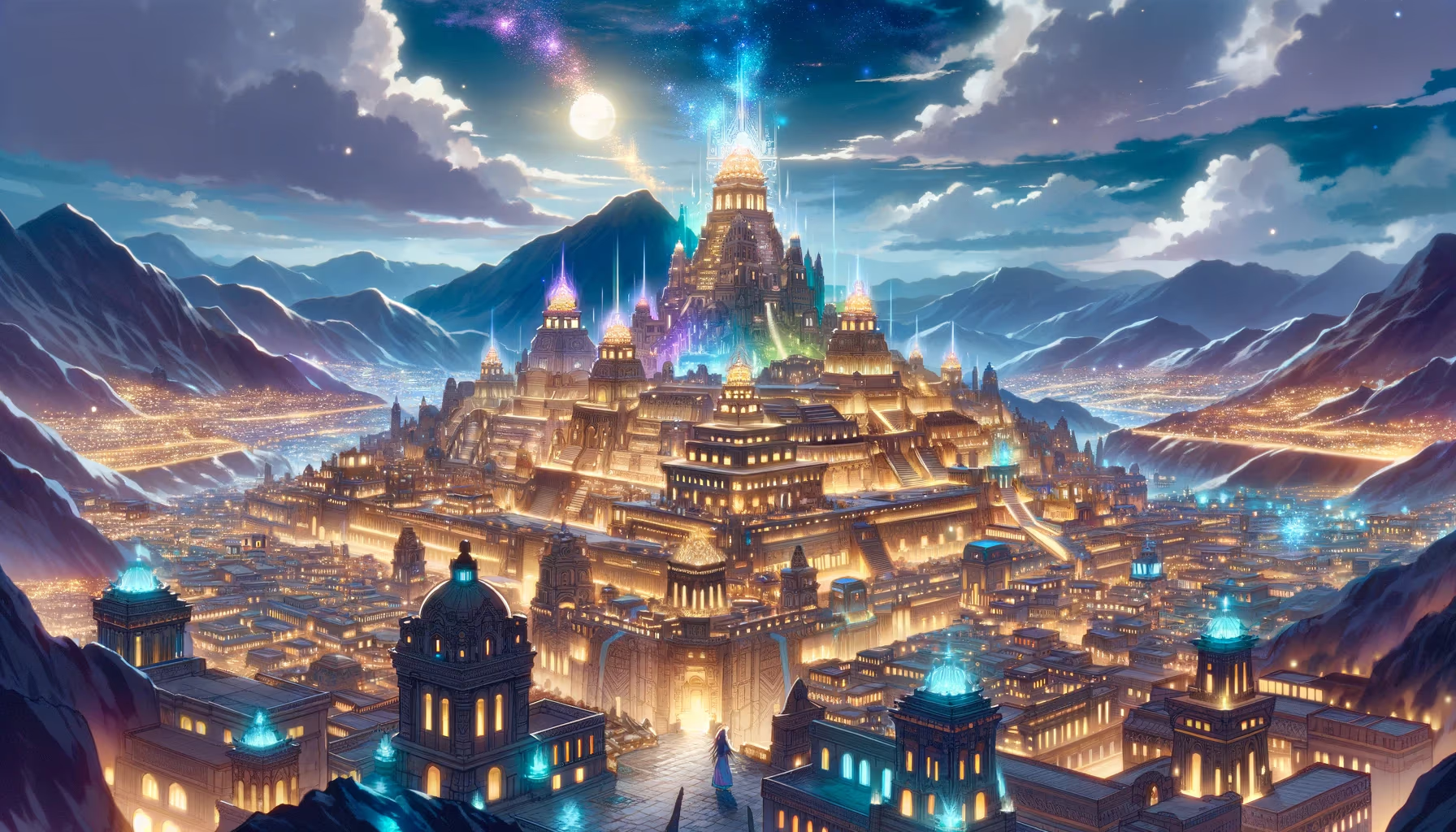
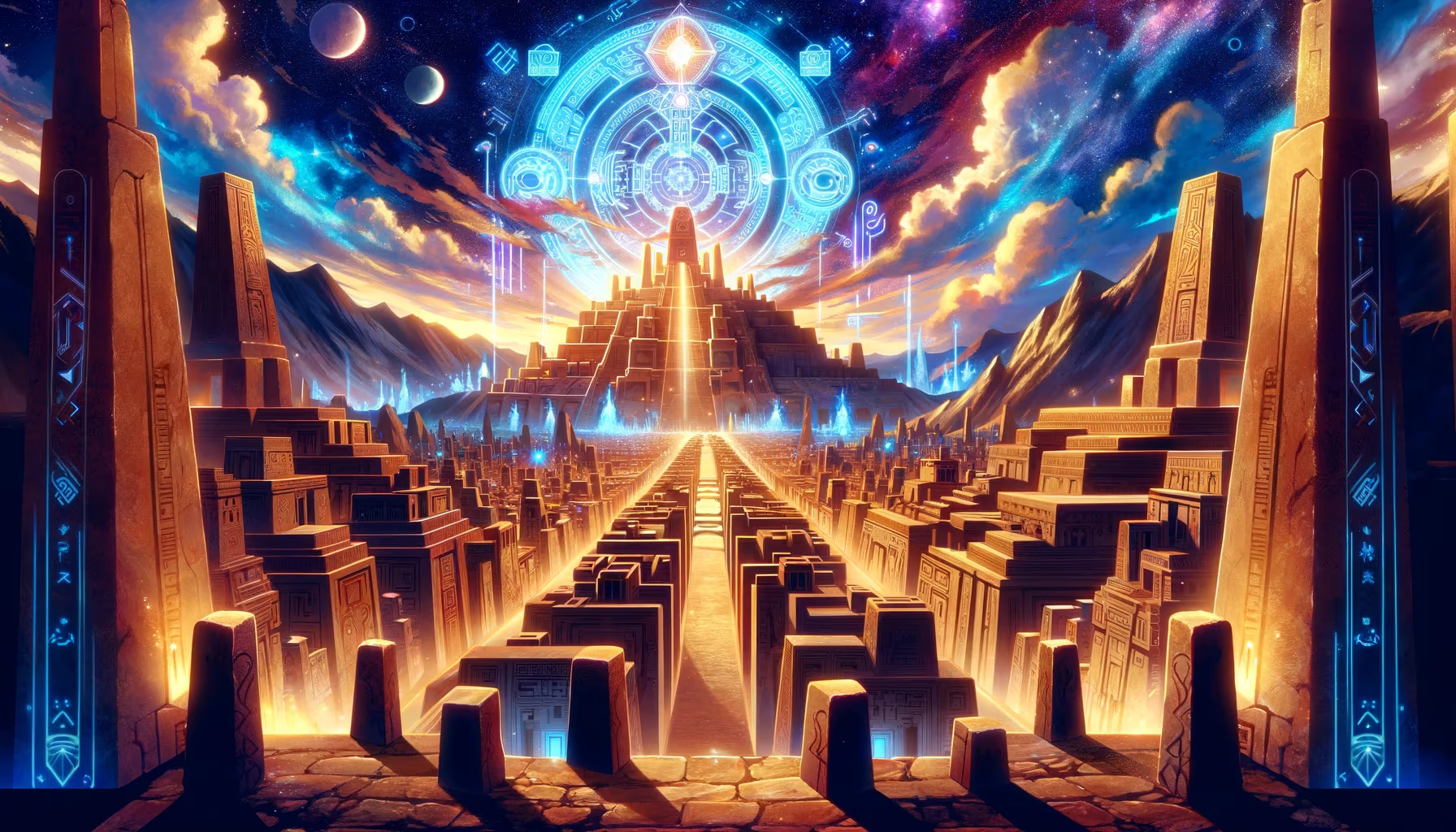
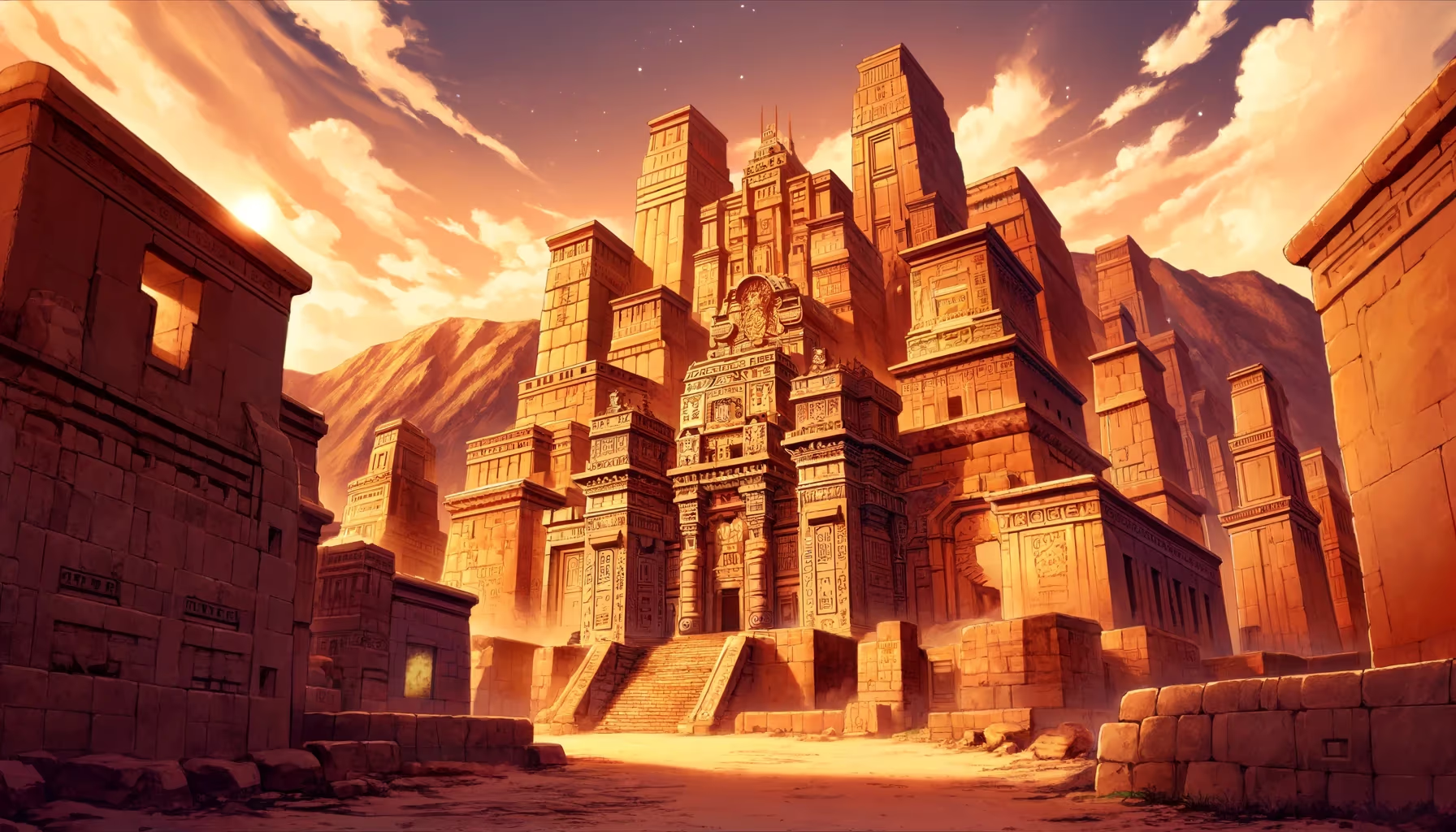
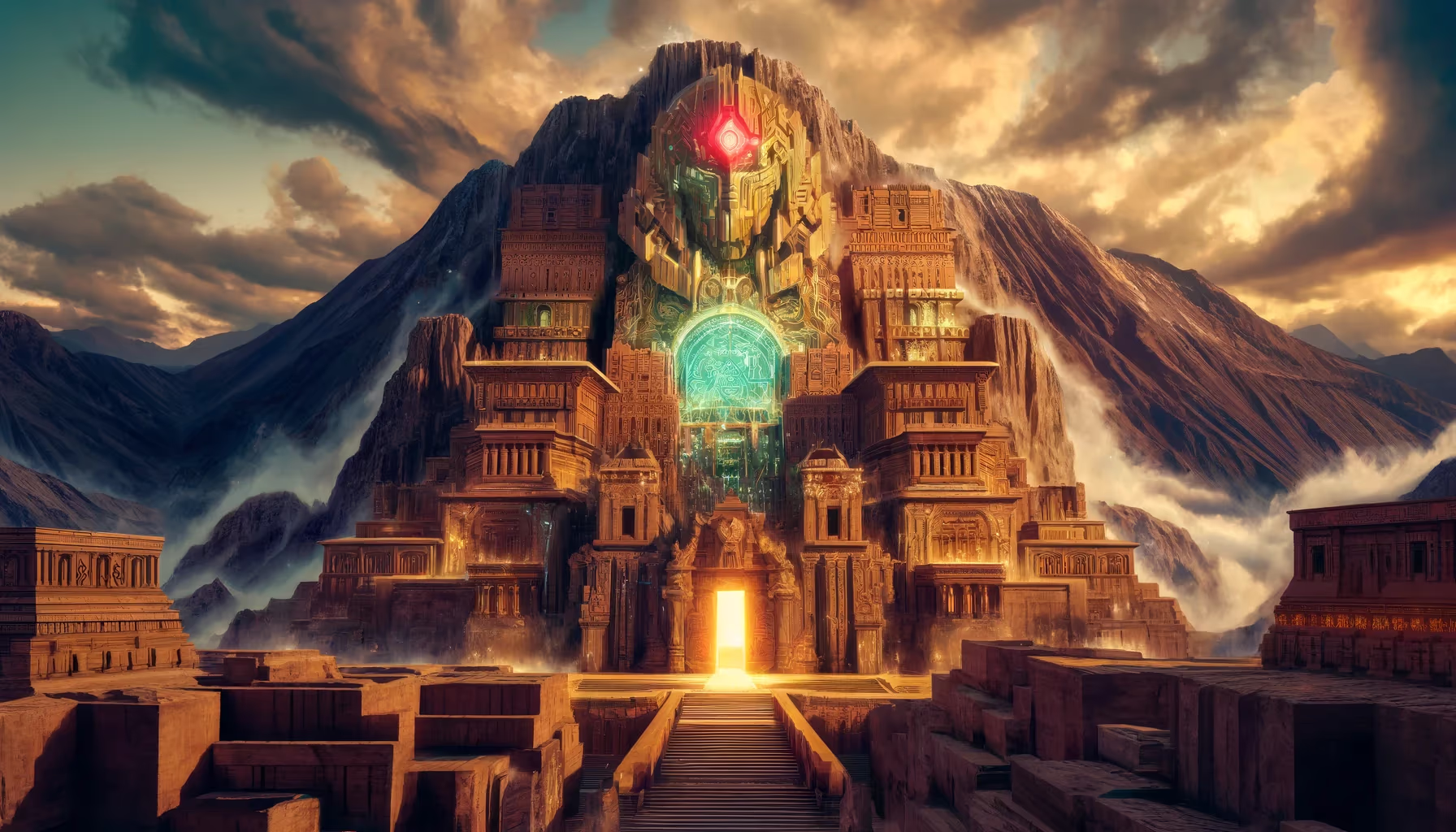
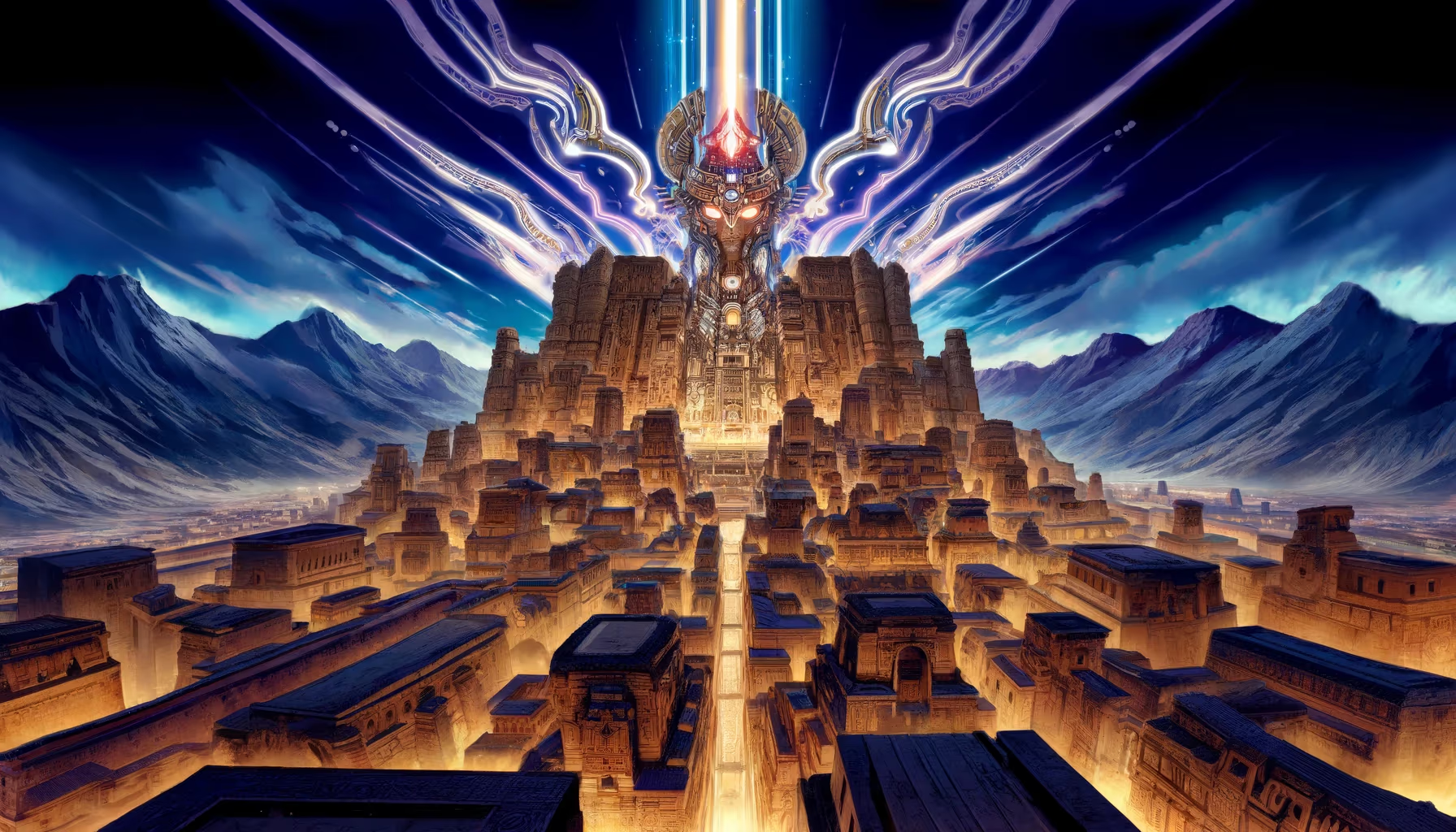
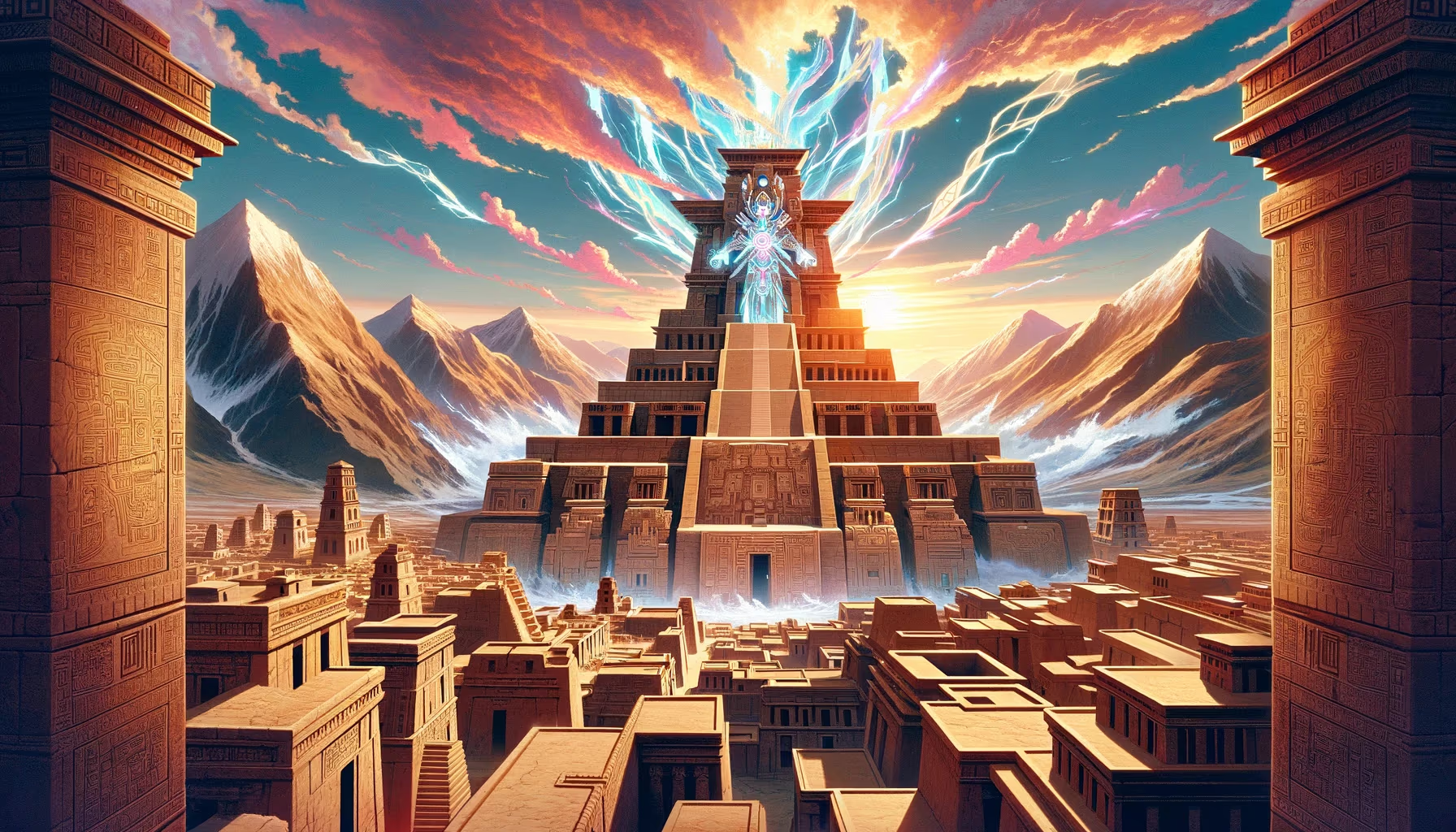
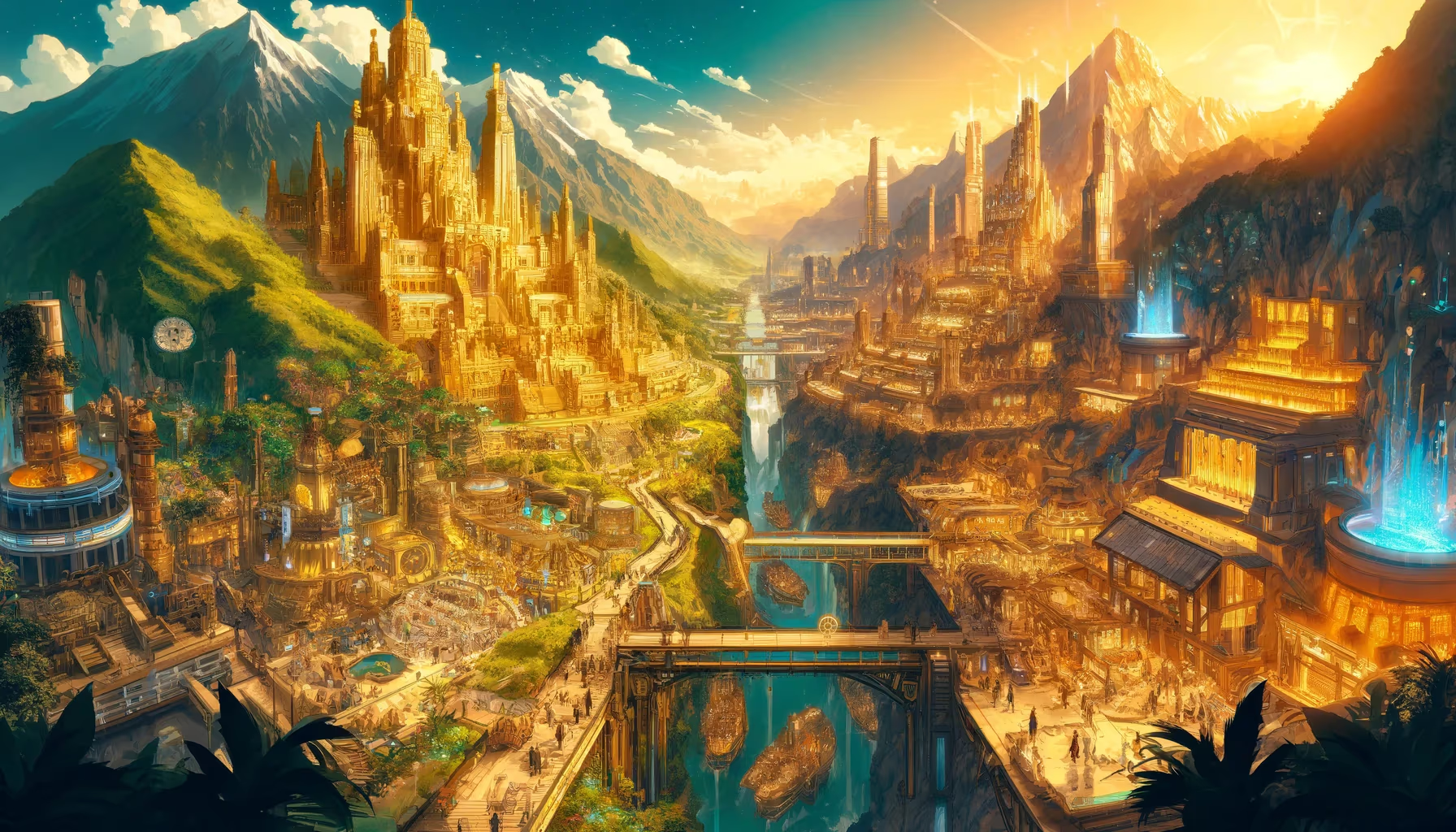
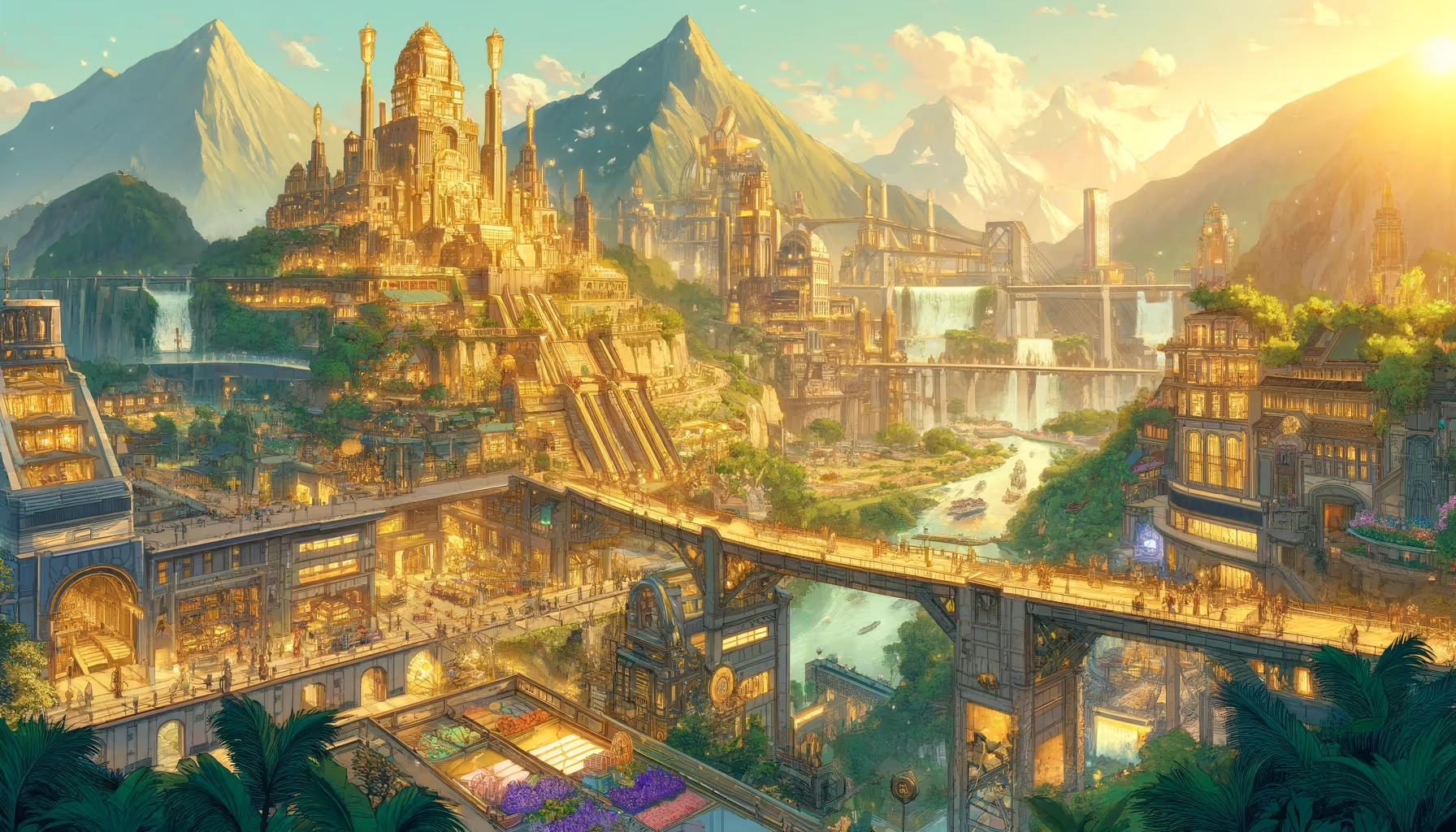
The first gate of Chan Chan opens like a dry sea. In Pachakuna lore, each adobe wall is a tide held still by memory: wind outside, governance inside, and a promise that cities can be grown from earth itself.
Chan Chan 01: The Desert Metropolis of Chimor
Ancient Peru Research
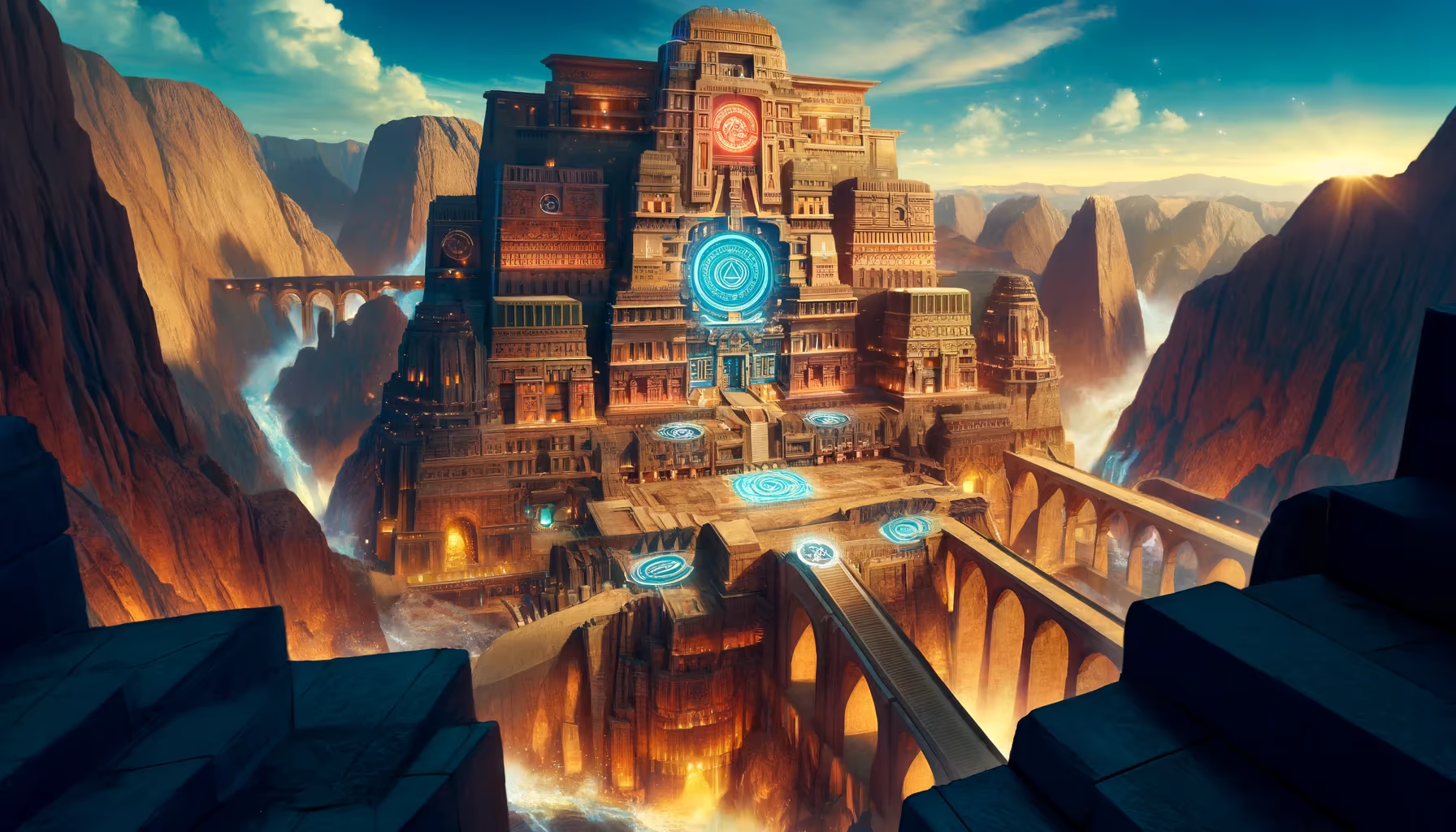
UNESCO describes Chan Chan as the capital of the Chimu kingdom and highlights the strict social-political strategy visible in its division into large compounds. That matters for this first scene: we are not looking at random ruins, but at a planned urban machine designed to coordinate authority, storage, ritual, and movement across a difficult coast-desert environment.
A powerful teaching point for your page is that Chan Chan expands the common public image of ancient Peru. Many global audiences know highland stonework first, but Chan Chan demonstrates a different civilizational logic: monumental adobe, marine iconography, and urban governance adapted to aridity and wind.
Mythically, this lets you frame Chan Chan as the city that turned dust into memory. Historically, it lets you ground that myth in verifiable planning principles documented in UNESCO and long-term archaeological studies.
Research Sources
Next Quest Prompt: Next quest: compare this opening Chan Chan page with a Cusco stone page to map two different state-engineering traditions in ancient Peru.
Context and references
Use this page for cultural and geographic learning paths around the artwork.